

Spent $3,000 on an above-ground pool only to realize you need another $2,000 for “essentials”?
Yeah. That’s the part nobody mentions when they’re selling you the dream of backyard summer fun. The pump that barely works. The ladder that wobbles. The deck that costs more than the actual pool. And don’t even get me started on the chemical bills that somehow rival your electric payment.
But here’s what I figured out after two summers of trial, error, and way too many late-night Google searches: you don’t need to spend like you’re installing an in-ground pool to make your above-ground setup look good and work better. You just need to know which shortcuts actually matter and which “upgrades” are complete money drains.
These 25 hacks will help you cut costs, solve the annoying problems pool companies don’t warn you about, and make your above-ground pool look like you spent twice what you did.
1. Run PVC Pipe Around the Perimeter Instead of Buying a Pool Fence
Forget the $800 safety fence kits. Hit up your local hardware store for PVC pipe ($2 per 10-foot section), cut them to 4-foot posts, sink them 12 inches into the ground, and attach lattice panels between them. Total cost: $150-200 for a 24-foot round pool. Spray paint the PVC black or bronze so it doesn’t scream “plumbing supplies,” and you’ve got a fence that meets most local codes for under $10 per linear foot.
The trick? Use 1.5-inch schedule 40 PVC (not the thin stuff) and pour 6 inches of quick-set concrete around each post. Wobble-free in 30 minutes.
2. Skim Before You Vacuum
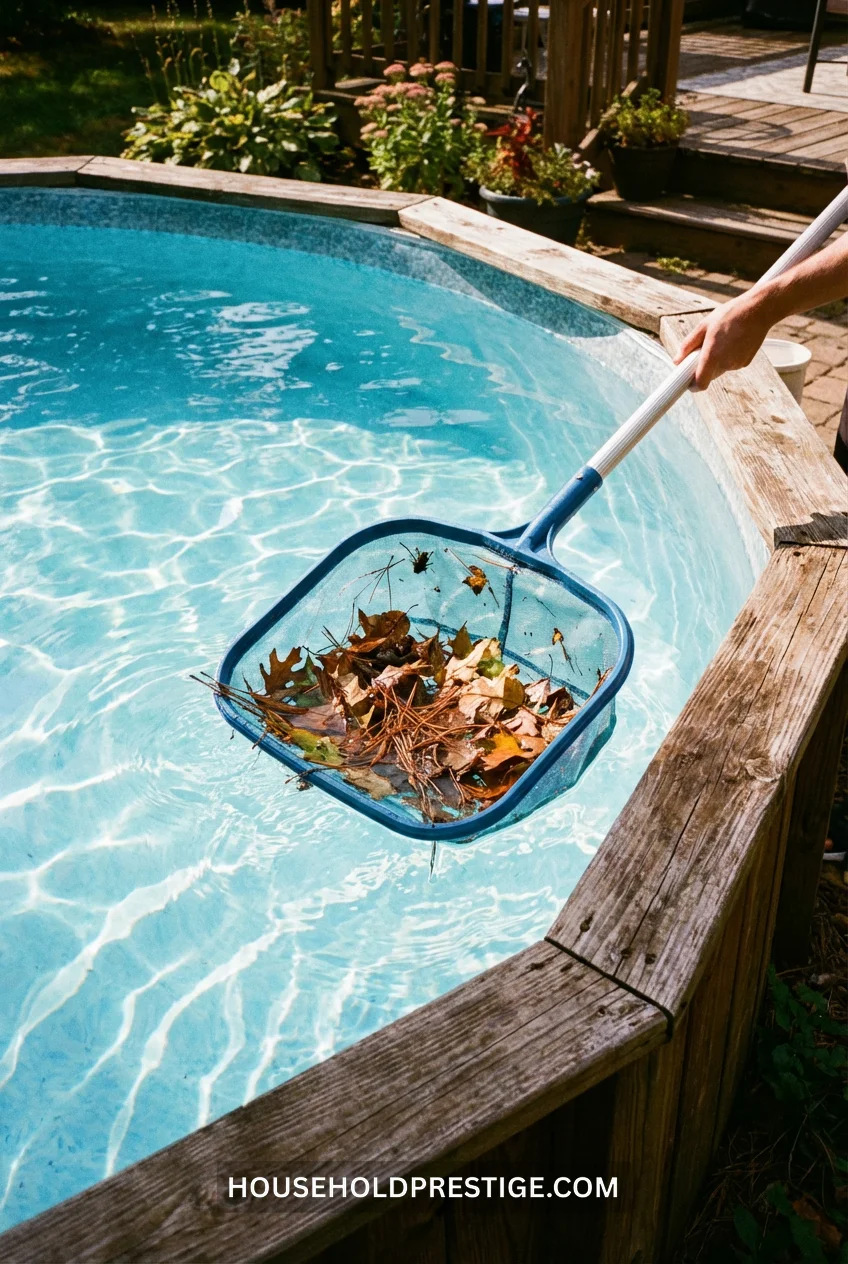
Vacuuming before skimming? You’re basically grinding debris into your liner. Skim first. Takes three minutes. Saves your vacuum filter from clogging every 10 minutes.
3. Build a Deck with Pallets (If You Know Someone with a Forklift)
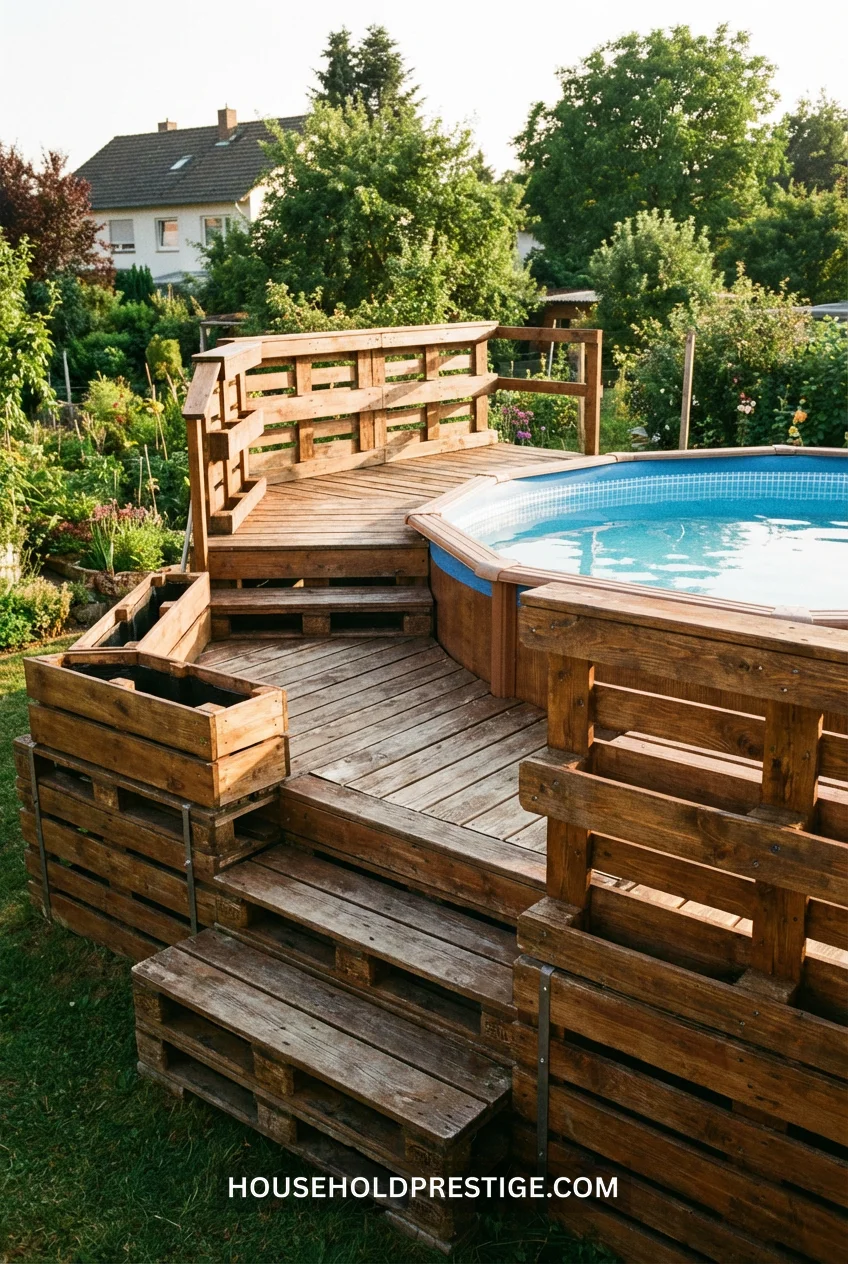
Free pallets can become a DIY pool deck if you treat them right. You’ll need about 12-15 pallets for a basic 12×8 foot deck section. Stack them two high, screw them together with 3-inch deck screws every 8 inches, and top with weather-treated 2×6 boards running perpendicular to the slats.
Pro tip: Only use heat-treated pallets (stamped HT, not MB which means chemical treatment). Sand everything down, apply two coats of deck stain with UV protection, and install rubber stair treads on top. Your total cost: $180 in lumber, screws, and stain versus $1,200+ for a pre-fab deck kit.
The catch: Pallets aren’t rated for structural use. If your pool is more than 48 inches tall, you’ll need to add 4×4 support posts every 4 feet underneath. And honestly? If you have kids under 10 who’ll be running across this thing, spring for the proper joists. Not worth the lawsuit.
4. Tape a Pool Noodle to Your Ladder Rails
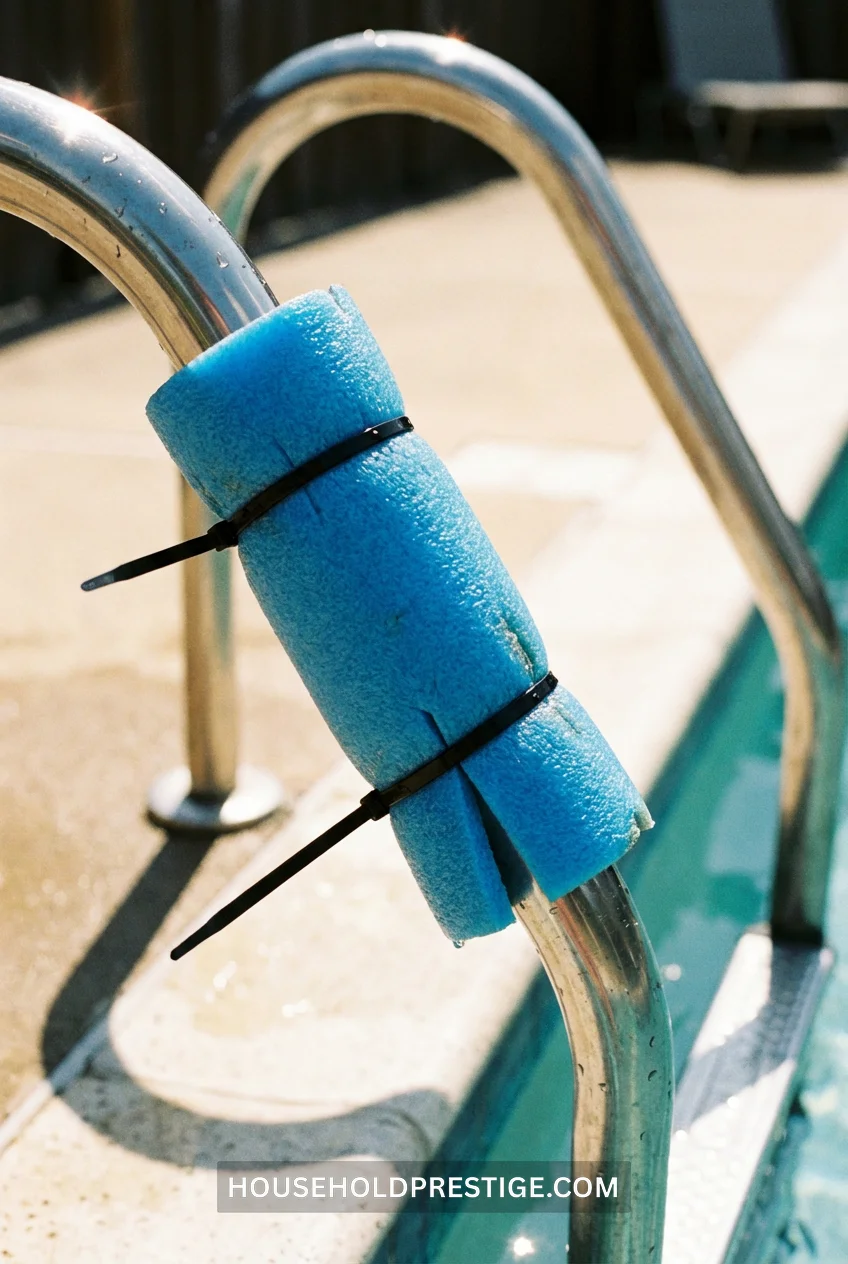
Metal ladder rails get scorching hot and slippery when wet. Cut a pool noodle lengthwise, wrap it around each rail, and secure with zip ties every 6 inches. Instant grip and no more burned hands. Costs $3 for two noodles.
5. Install a Solar Cover UNDER Your Regular Winter Cover
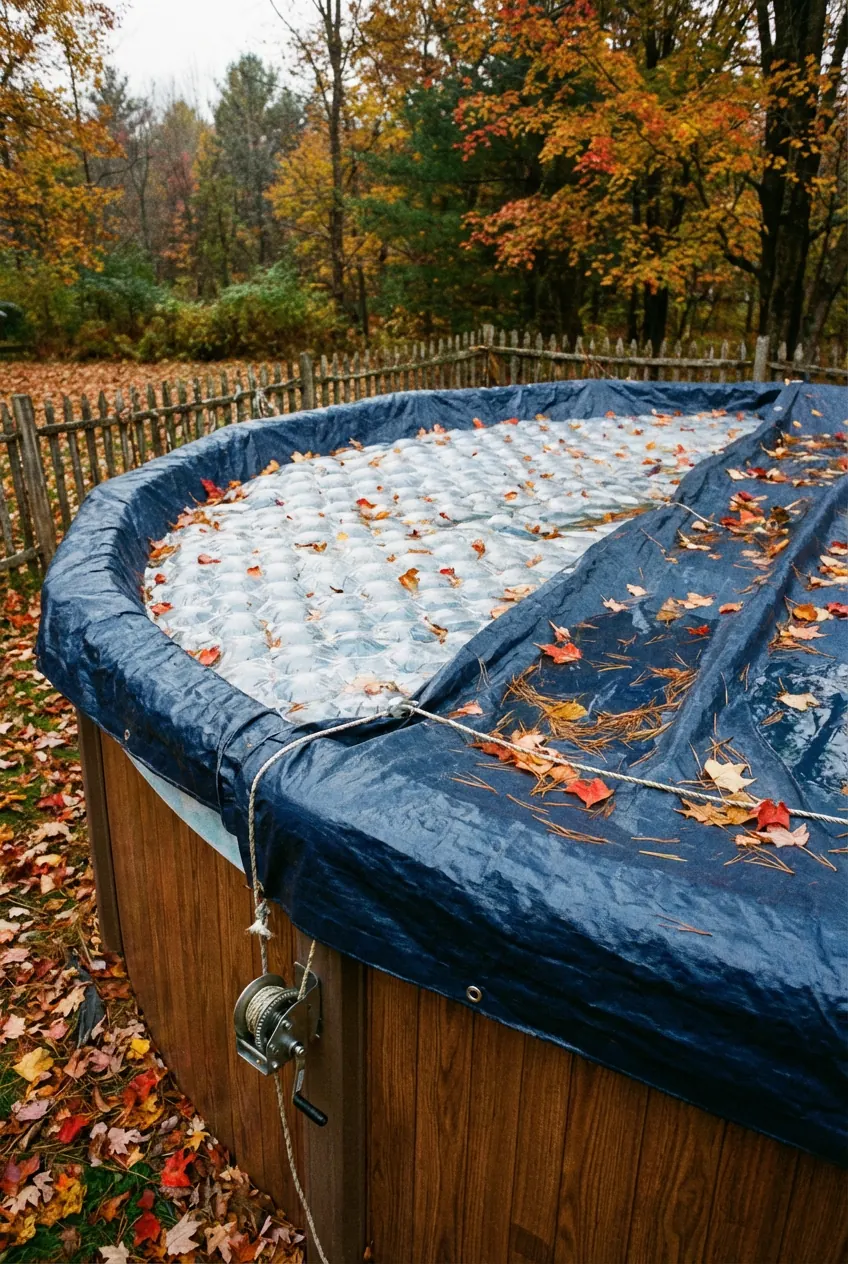
Everyone talks about solar covers for heating. Nobody mentions they work as insulation barriers under winter covers. This double-layer system reduces spring cleaning by 60%. The solar cover catches debris before it reaches your liner, and the winter tarp keeps the solar cover from UV-degrading. I pulled my cover off in April and the water was still clear. First time ever.
Cost reality: $45 for a basic solar cover vs. $180 to drain, clean, and refill your pool each spring.
6. Use Baking Soda Instead of Alkalinity Increaser
“Alkalinity Increaser” from pool stores is literally sodium bicarbonate—baking soda—marked up 300%. Buy a 13.5-pound bag of Arm & Hammer from the grocery store for $8 instead of paying $24 for a 5-pound pool store container. Same chemical. Same result. Your pool doesn’t care about the packaging.
Add 1.5 pounds per 10,000 gallons to raise alkalinity by 10 ppm.
7. Zip-Tie Solar Lights to Your Pool Rim
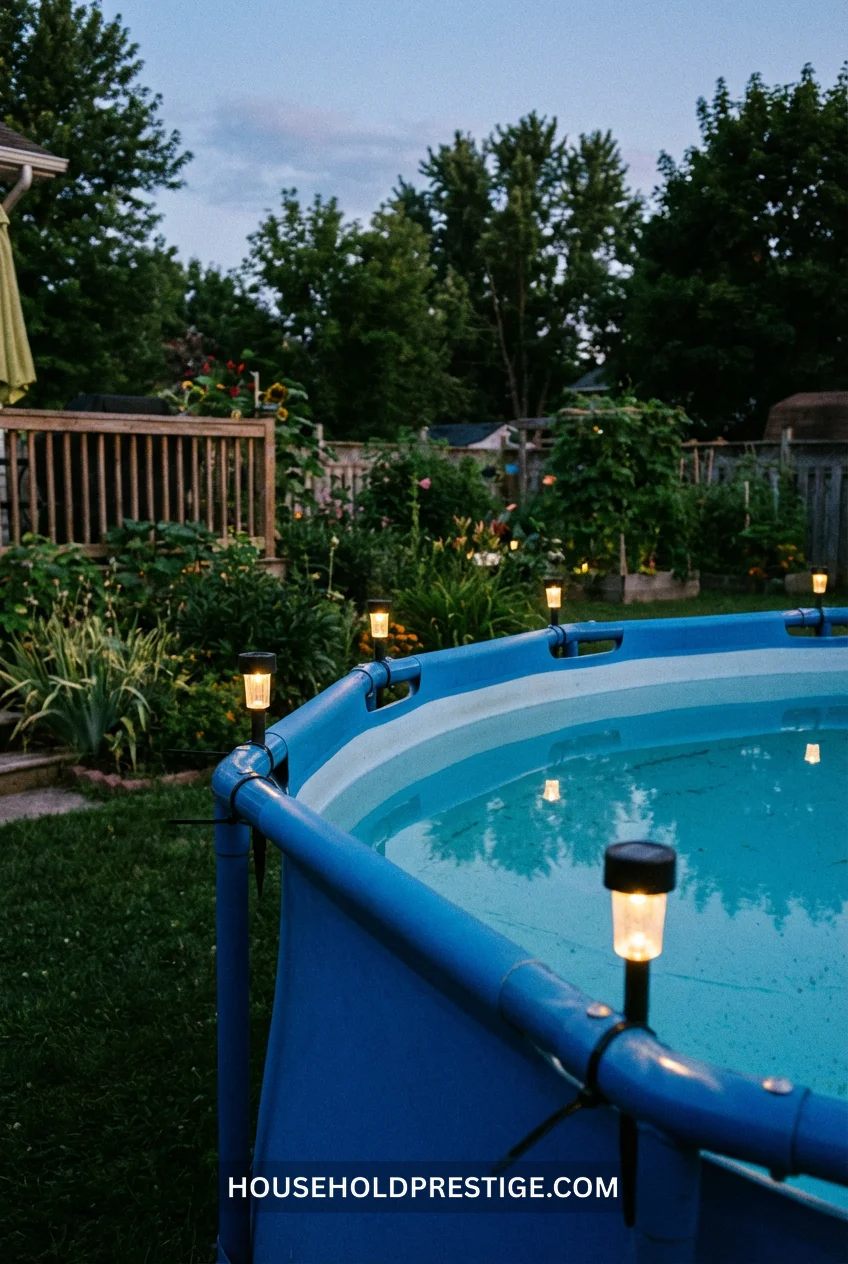
Solar stake lights ($1.50 each at Dollar Tree) zip-tied to your top rail every 3 feet = instant pool perimeter lighting for under $15. No electrician. No wiring. No hassle.
8. Create a Gravel Splash Pad Around the Base (Not Grass)
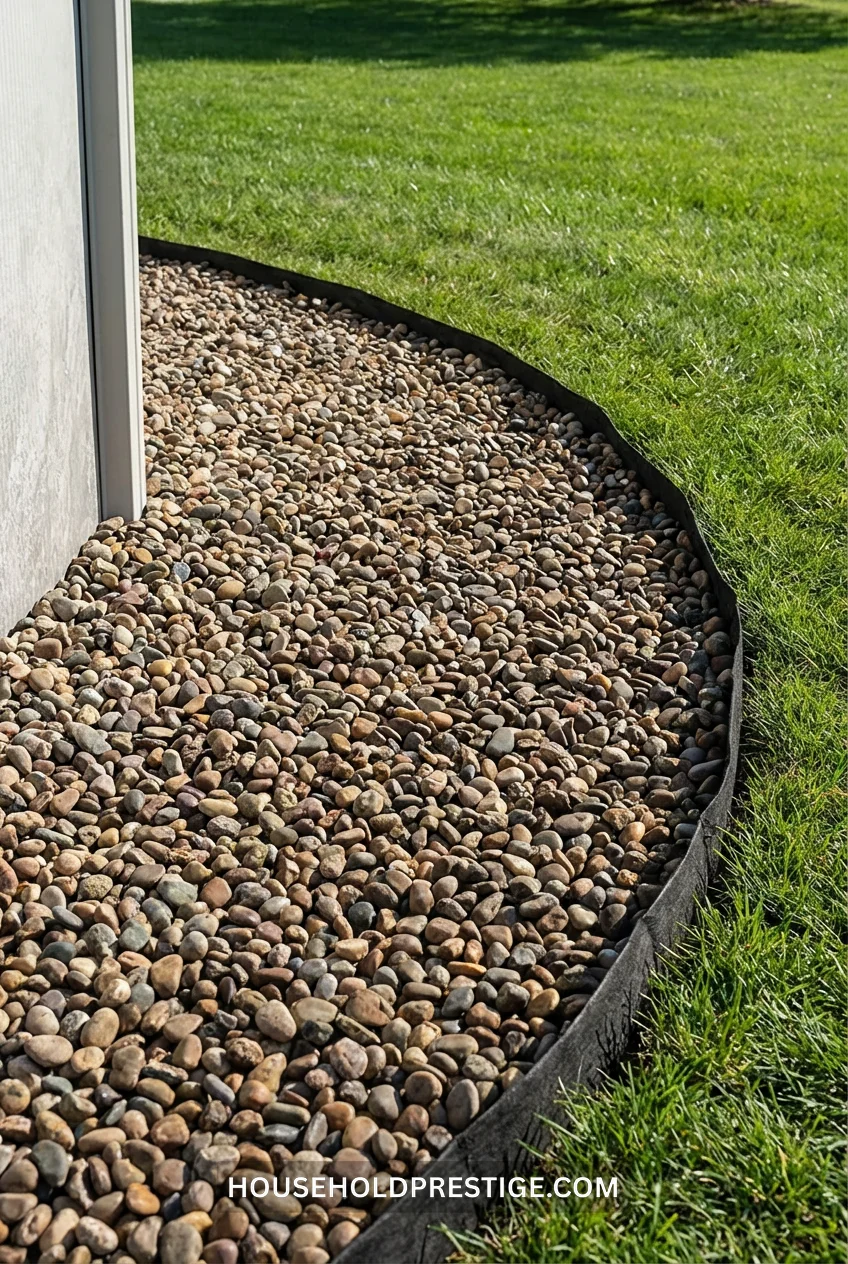
Grass dies under pool splash zones within two weeks. Then you’ve got a mud pit that tracks into your pool every single time someone gets in. Here’s what works: dig out 3-4 inches around your pool perimeter (about 2 feet wide), lay landscape fabric, and fill with pea gravel or river rock.
Materials cost: $65 for enough gravel to circle a 24-foot pool. Takes 3 hours to install. Eliminates 90% of the dirt, mud, and grass clippings that normally end up in your filter.
Why this works: Gravel drains instantly, doesn’t grow weeds, and creates a clean transition zone. Bare feet don’t pick up mud. Your vacuum filter lasts 3x longer. And when you eventually move or take down the pool, you just rake the gravel back into the lawn—no dead grass crater to reseed.
9. Shock Your Pool at Dusk, Not Noon
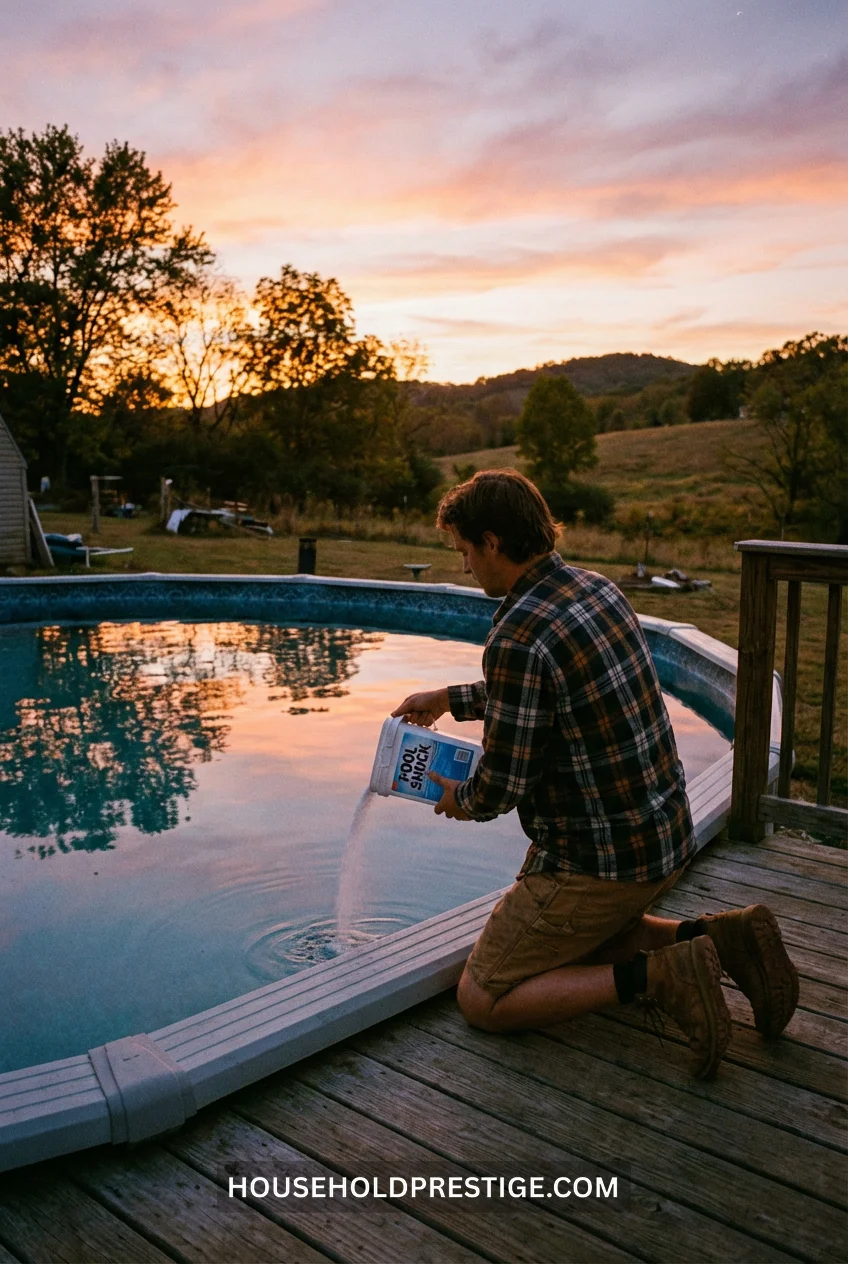
Chlorine breaks down in direct sunlight. Shocking your pool at noon wastes half the chemical in 2 hours. Shock at dusk and let it work overnight. Same effect, half the cost.
10. Mount a Mailbox on Your Pool Post for Supplies
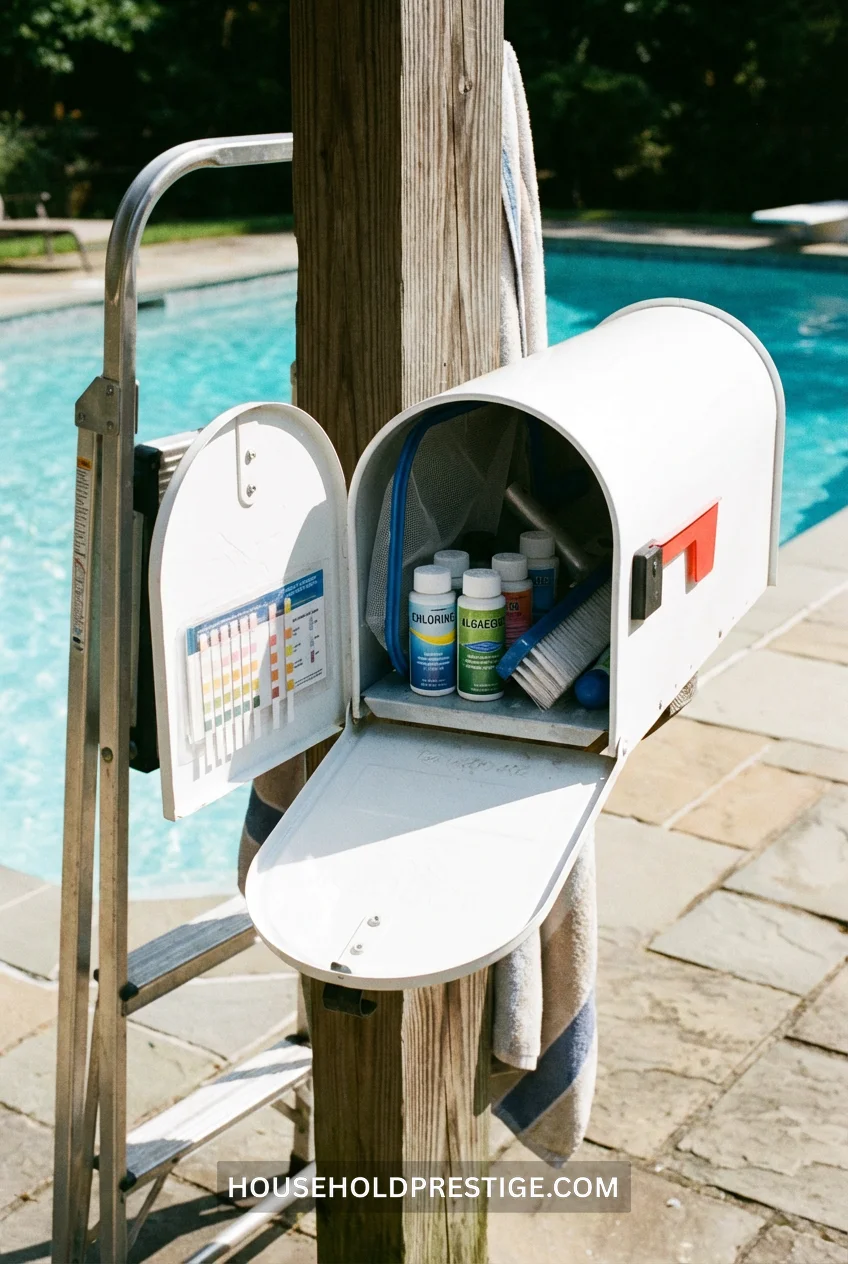
Where do you keep your test strips, thermometer, and skimmer net when you’re not using them? A weather-resistant mailbox ($18) mounted near your ladder becomes instant poolside storage. Keeps supplies dry, organized, and within reach without cluttering your deck.
11. Install a Sump Pump Instead of Fighting Your Pool Pump
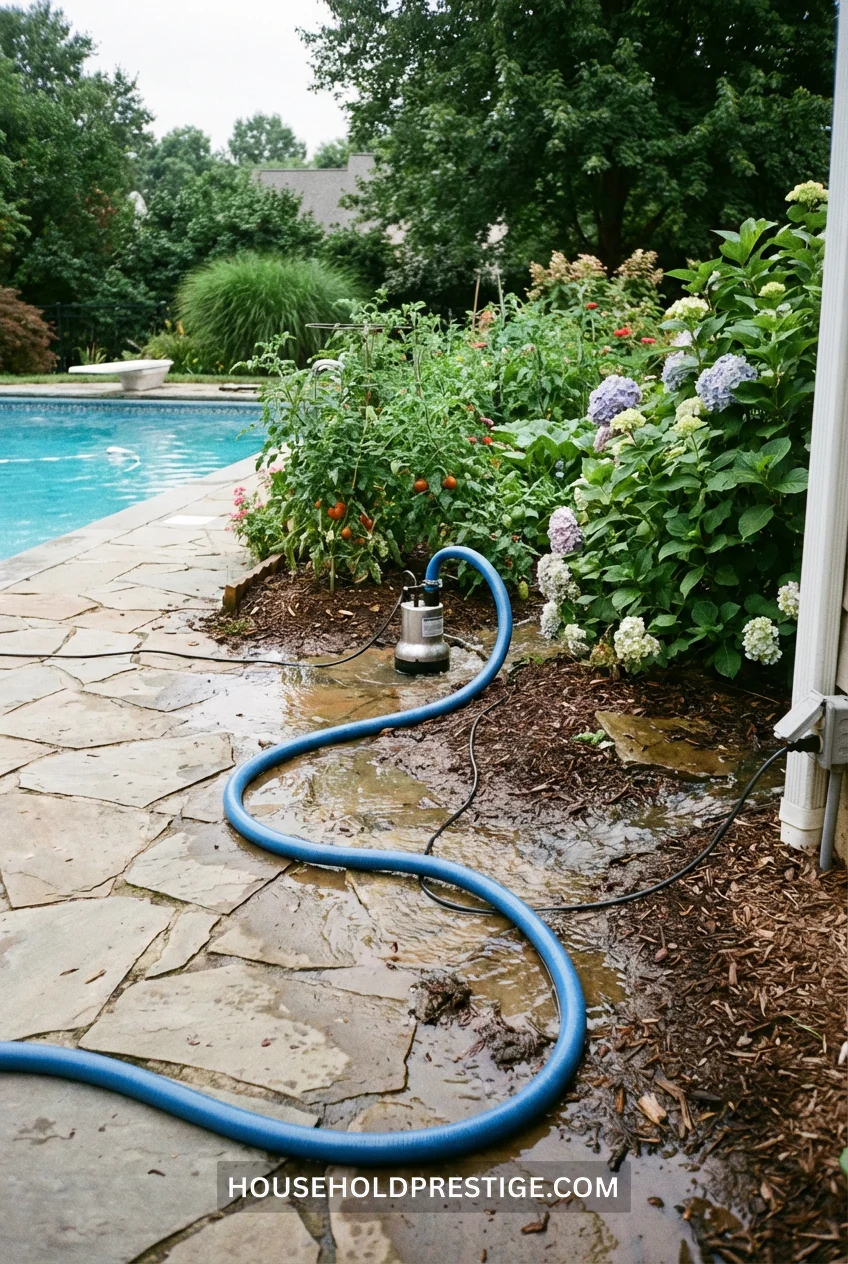
Draining an above ground pool with the built-in drain valve takes 8-12 hours and turns your yard into a swamp. A $45 sump pump from Harbor Freight drains the same pool in 90 minutes and lets you direct water exactly where you want it. Attach a garden hose, drop it in, plug it in, done.
I drain mine partially every fall to add fresh water in spring. Pump pays for itself in saved time and water bills.
12. Freeze Water Jugs in Your Pool for Free Cooling
Pool hitting 88°F in July? Fill empty milk jugs or 2-liter soda bottles with water, freeze them solid, and float 4-6 in your pool. Drops the temperature 3-5 degrees over 2 hours without adding chemicals or ice that dilutes your water chemistry. Refreeze and repeat.
13. Bury Half Your Pool (If Your Yard Slopes)
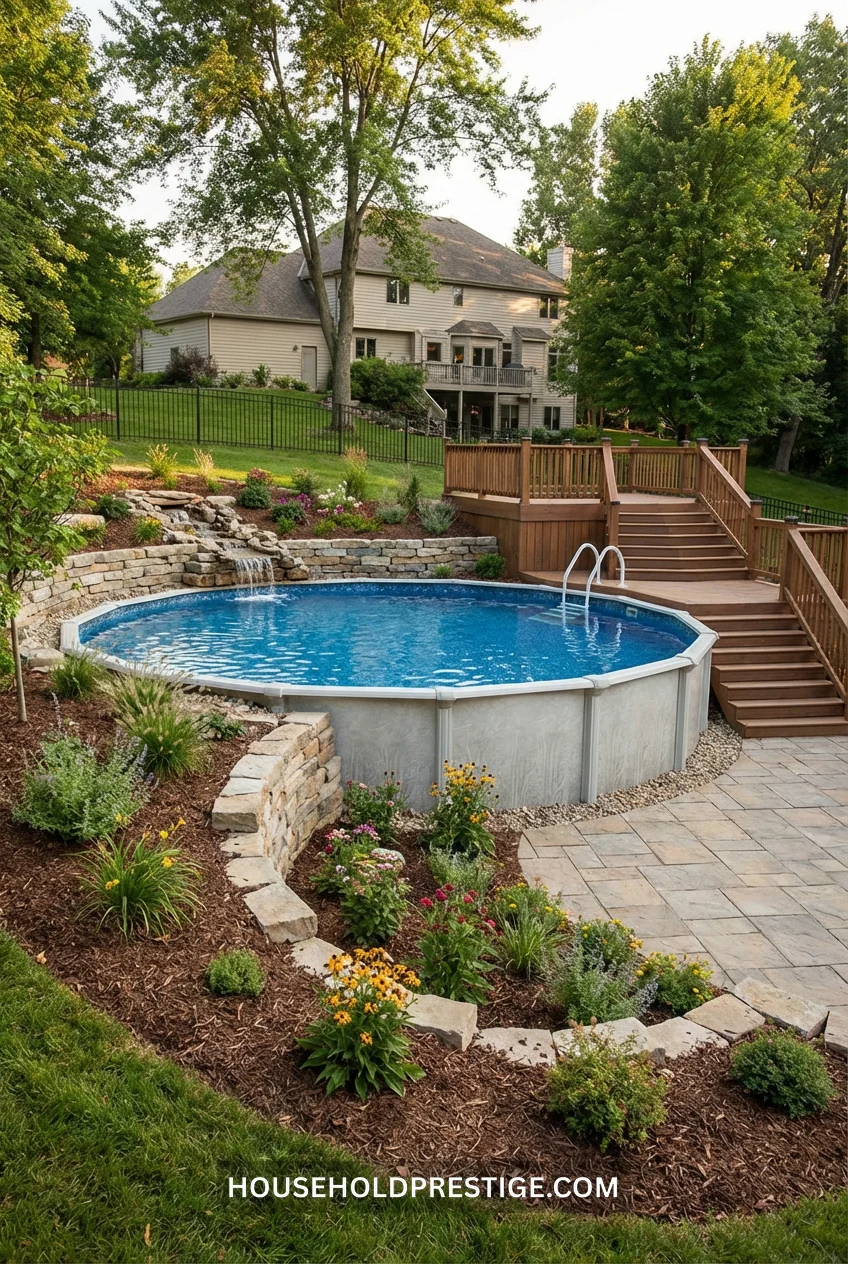
Got a sloped yard? Instead of leveling it (expensive), sink your pool into the downhill side so one edge sits at ground level. The uphill side stays elevated, but now you have easy walk-in access on one side and a shorter drop on the other.
What this requires:
- Proper drainage: Dig 6 inches deeper than the pool wall on the buried side and fill with gravel before setting the pool. Without this, groundwater pressure will buckle your liner in spring.
- Retaining wall: You’ll need treated 6×6 timbers or concrete blocks behind the buried portion to hold back soil. Budget $300-500 for materials depending on height.
- Inspection check: Some municipalities consider this a permanent structure once you excavate. Call your city’s building department before you dig to avoid fines or forced removal.
Total cost: $500-800 for excavation (if you rent a mini excavator for $150/day) and retaining materials. Compare that to $2,000+ for a leveling job or $3,000+ for a full deck, and it makes sense if your yard has natural slope.
Installation note: This is a weekend project if you’re handy with a shovel and level. If you’ve never worked with gravel base or retaining walls, hire it out. A buckled pool wall 6 months later costs more than the labor you saved.
14. Use Muriatic Acid in a Plastic Cup to Lower pH (Not Directly in Pool)
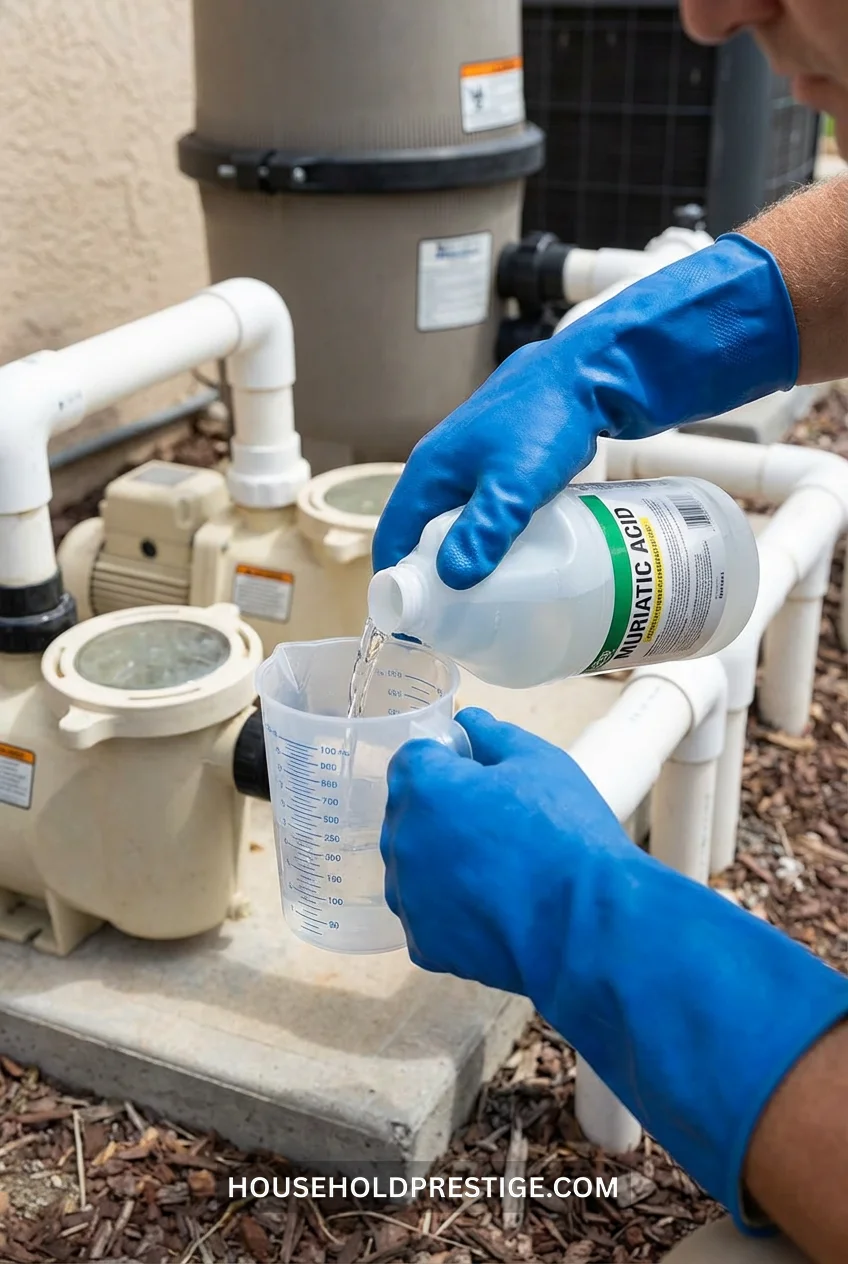
Dumping muriatic acid straight into your pool creates hot spots that can bleach your liner. Instead, dilute it first. Fill a 32-ounce plastic cup (never metal) with pool water, add your measured acid dose, swirl gently, and pour the diluted mix along the pool perimeter near a return jet. Distributes evenly without liner damage.
15. Attach a Shower Curtain Rod Across Your Ladder for Towel Drying
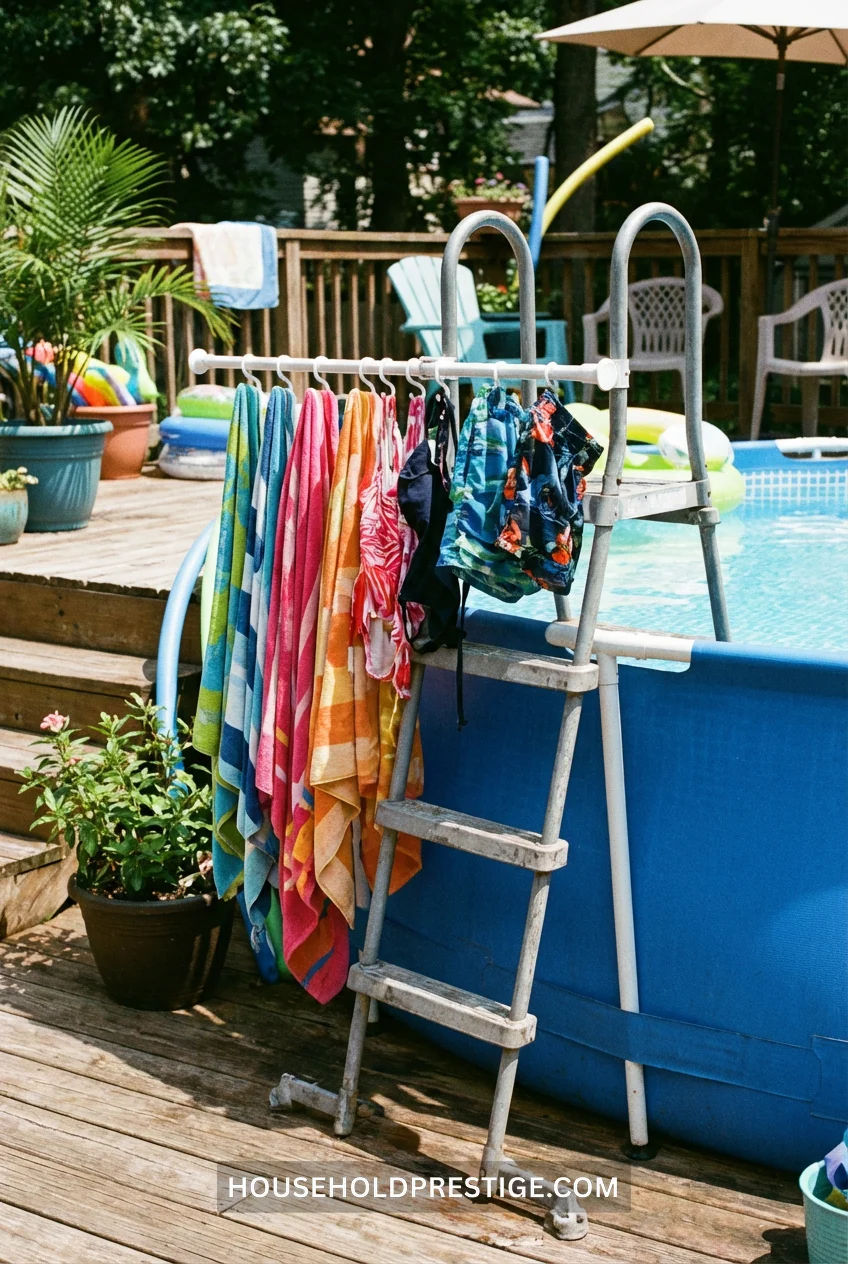
No more wet towels on your deck chairs or draped over the pool edge. Install a tension shower curtain rod ($8) horizontally across your ladder rails or between two deck posts. Instant towel bar that holds 6+ towels and keeps them off the ground.
16. Create Your Own Chlorine Floater with a Bleach Bottle
Pool store chlorine floaters cost $15-25. An empty bleach bottle with holes drilled in the sides costs $0. Cut the bottle in half, drill 8-10 small holes around the sides, add your chlorine tablets, screw the cap back on, and toss it in. Works exactly the same.
Pro move: Use a bottle with a handle so you can easily grab it when you need to pull it out for testing or shocking.
17. Level Your Pool with Sand, Not Dirt (Or You’ll Regret It)
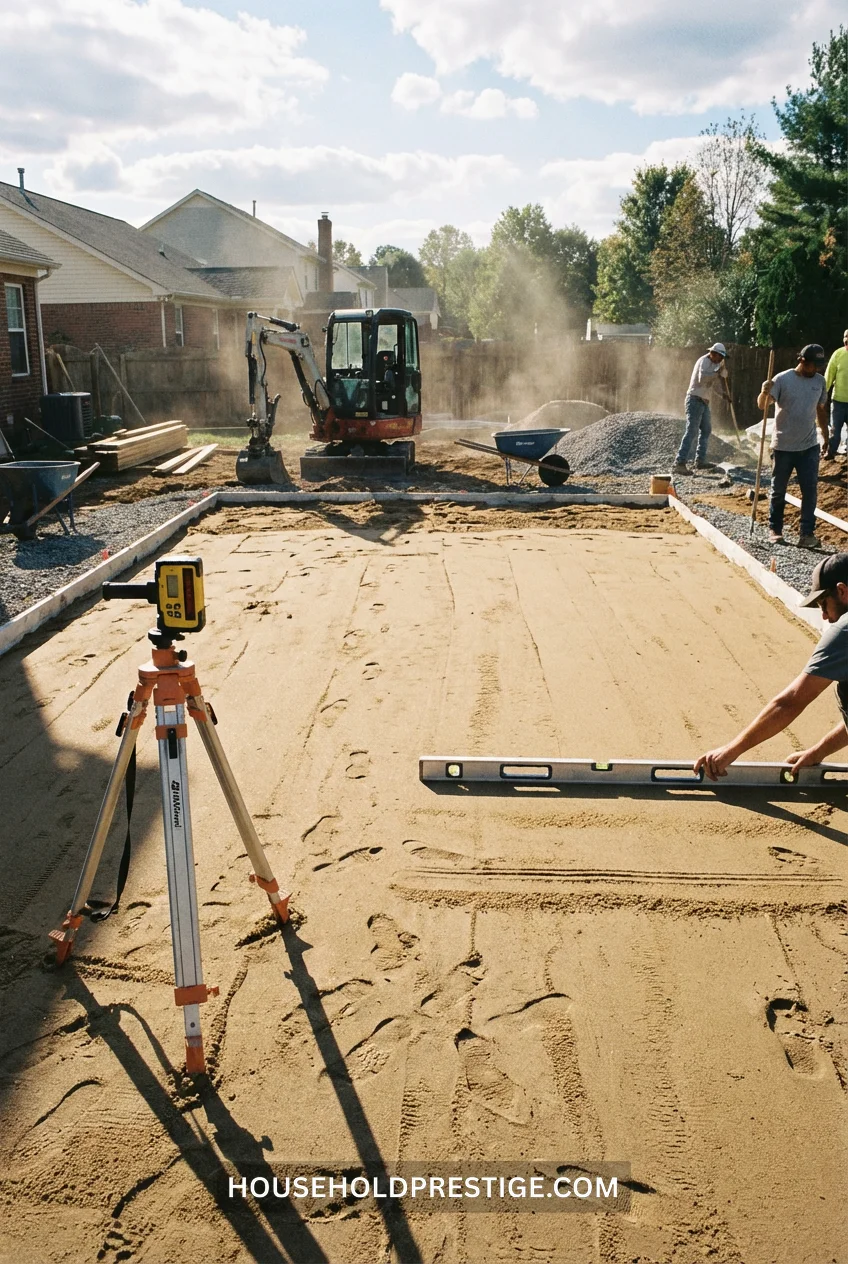
Dirt compacts unevenly. Your pool settles over time, creating low spots that never fill, stress on walls, and wrinkles in your liner that turn into permanent creases. Sand stays level. It’s worth the extra $40 for 10 bags of mason sand to avoid a pool that lists to one side by summer two.
How much you need: 1-2 inches of sand for a proper base. For a 24-foot round pool, that’s roughly 2 tons (20 bags at 100 pounds each). Rent a plate compactor ($45/day) after spreading to prevent settling.
18. Attach PVC Pipe to Your Skimmer Net for Extension Reach
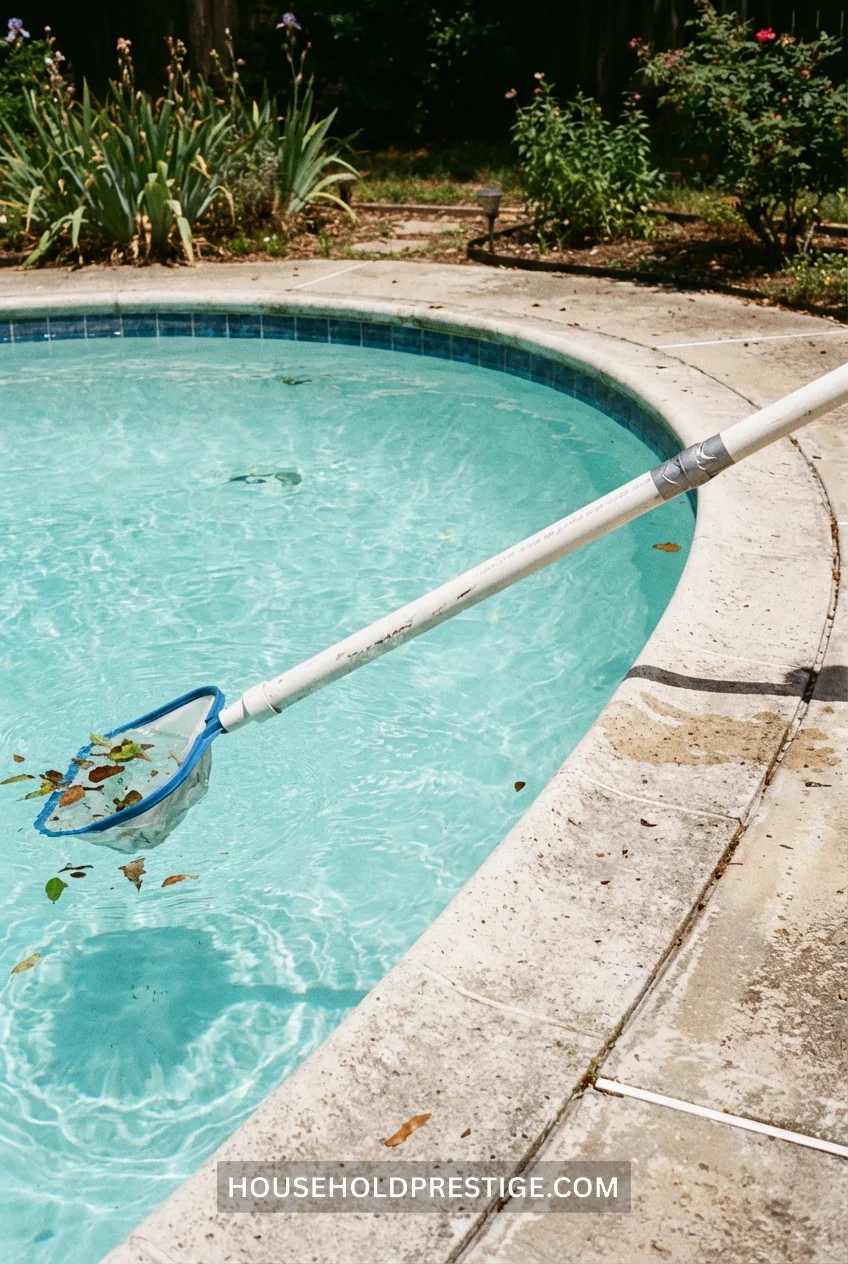
Standard skimmer poles are 8 feet. Your pool is 24 feet across. You’re leaning over the edge trying to reach debris in the middle, and you almost fall in three times a week. Solution: Attach a 4-foot section of 1-inch PVC pipe to your skimmer pole handle with duct tape or hose clamps. Instant 12-foot reach.
19. Run Your Filter on a Timer ($30 Device Saves $200/Year)
Running your pool pump 24/7 costs $180-240 in electricity per summer. A $30 outdoor timer set to run 8 hours per day (split into 4-hour morning and 4-hour evening sessions) cuts that cost by 65% without compromising water clarity. Most above ground pools only need 6-8 hours of filtration daily during peak season.
Common mistake: Don’t set it to run only at night. You want daytime circulation when the sun’s UV is naturally killing bacteria. Best schedule: 9am-1pm, then 6pm-10pm.
20. Cover Your Equipment with a Waterproof Deck Box
Pool pumps and filters rust. Chemicals degrade in sunlight. Keeping everything on the ground next to your pool looks messy and shortens equipment life. A weatherproof deck box ($60-90 at Home Depot) fits your pump, hoses, chemicals, and cleaning supplies. Protects from weather, keeps animals out, and turns your pool area from “hillbilly setup” to “organized backyard feature.”
Size guide: You need at least 120 gallons of storage for a standard above ground pool pump setup. Look for Suncast or Keter brands with reinforced lids that can double as a bench.
21. Add a Kiddie Pool for Rinsing Feet Before Entry
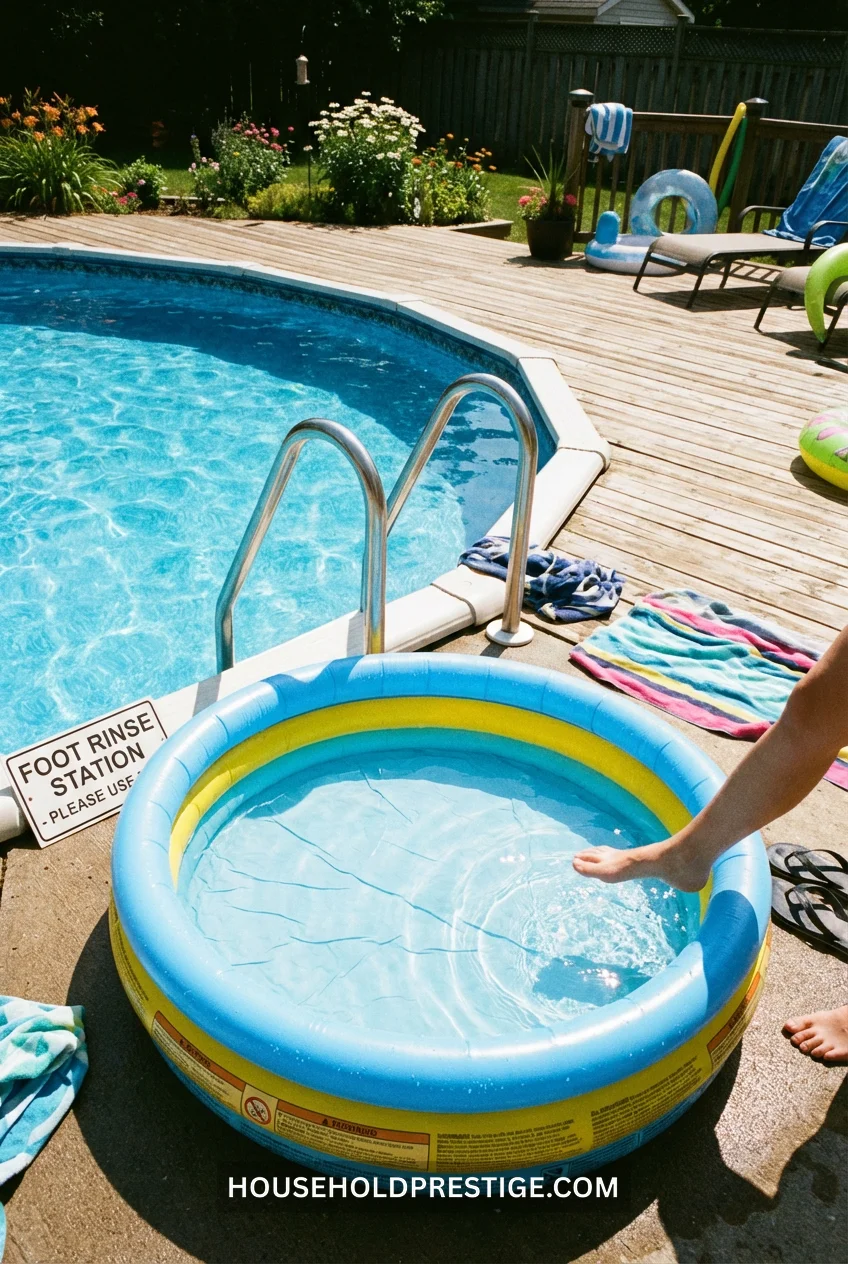
Kids track in 80% of the dirt in your pool. Put a $12 kiddie pool at the base of your ladder filled with 3 inches of clean water. Everyone rinses feet before climbing in. Your filter stops clogging every other day.
22. Use Tennis Balls to Absorb Pool Oils (Not Chemicals)
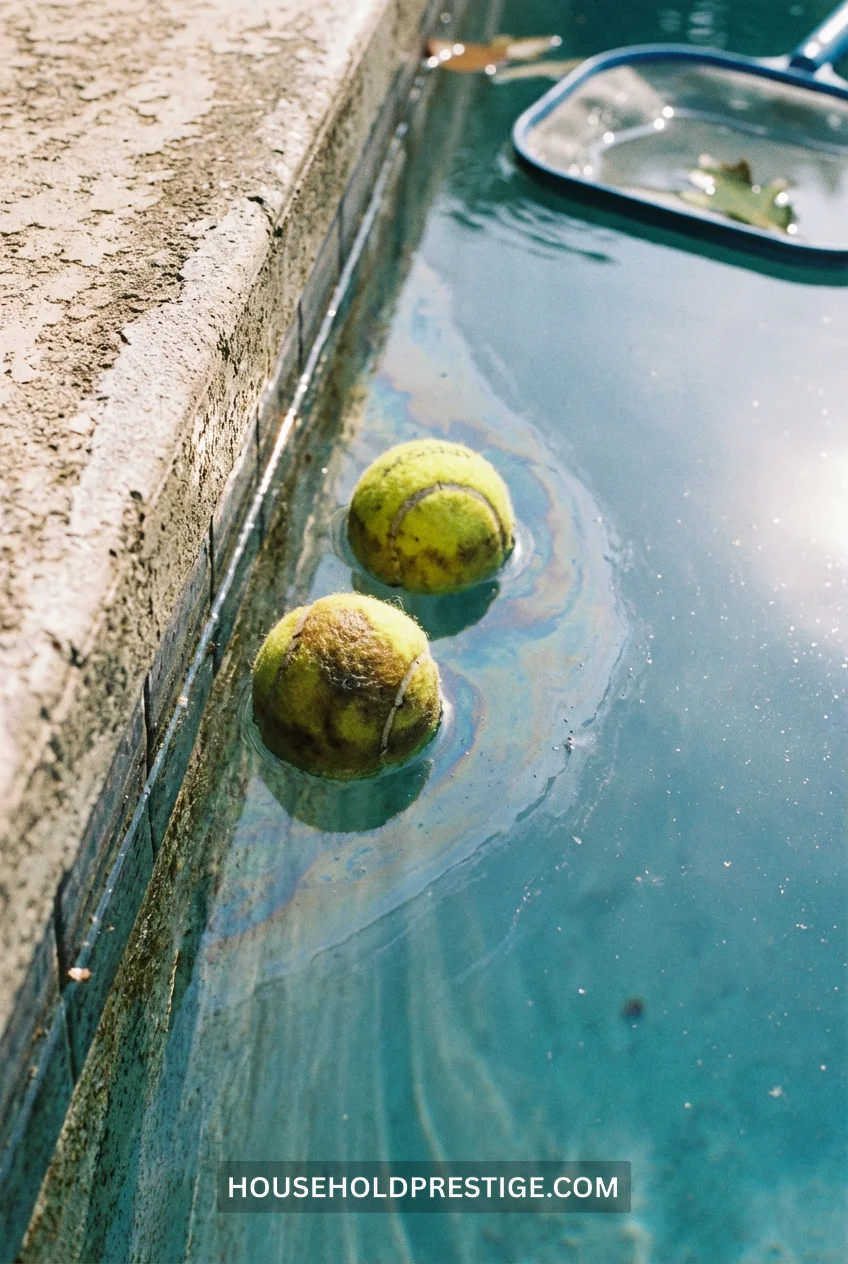
Sunscreen, body oils, and lotion form a gross film on your water surface. Toss 2-3 old tennis balls in the pool. The felt absorbs oils naturally as they float. Replace every two weeks. Cheap, effective, and eliminates that ring around your waterline.
23. Build a Privacy Wall with Corrugated Metal Panels ($150 vs $800 for Fencing)
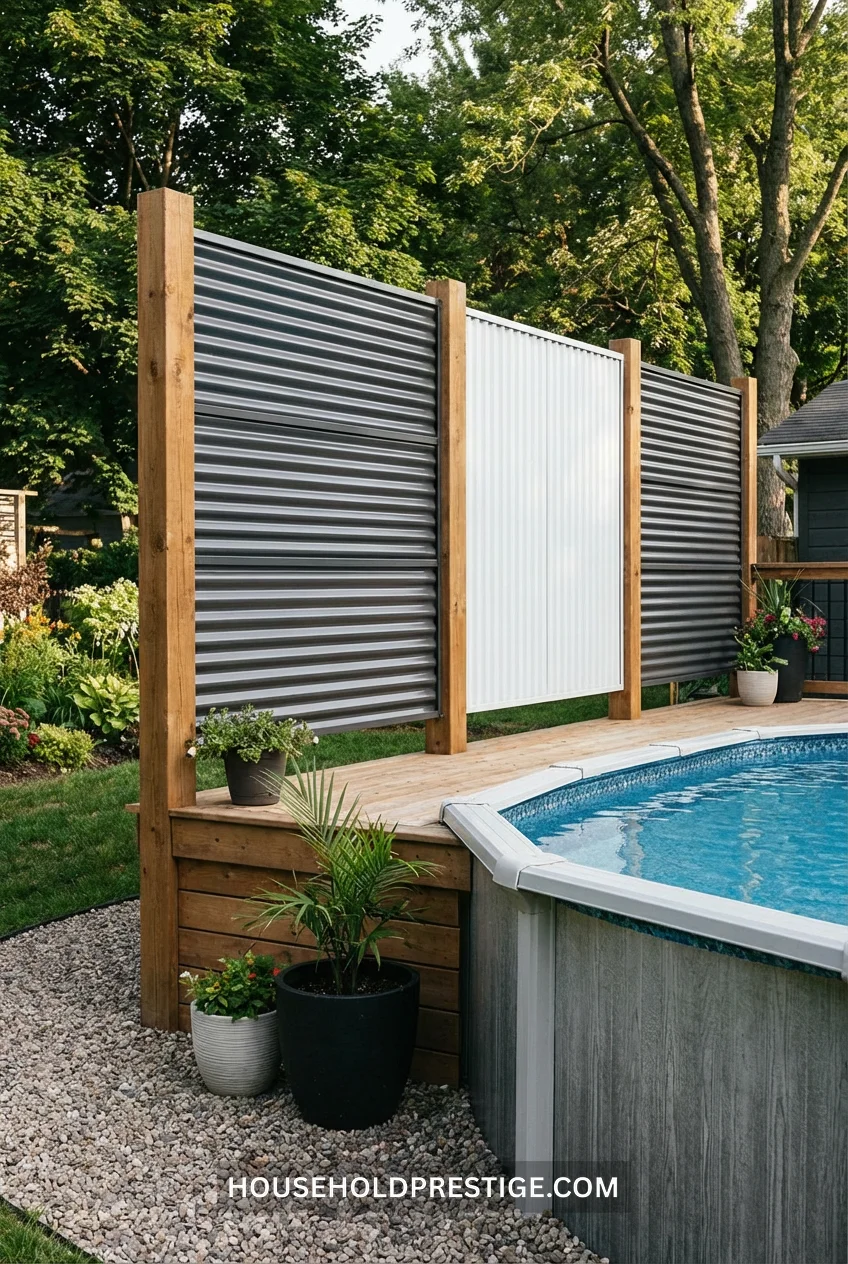
Privacy fencing costs $25-40 per linear foot. Corrugated metal panels from a farm supply store cost $18-25 per 8-foot panel. Mount them on 4×4 posts, and you’ve got a modern-looking privacy screen for 1/5 the price. Works especially well if your pool faces a neighbor’s yard or a busy street.
Pro tip: Paint or powder-coat the panels in a dark color (charcoal, bronze, or matte black) so they look intentional, not agricultural. Add string lights along the top edge and suddenly your $200 DIY project looks like a $3,000 designer feature.
When it’s worth it: If you’re blocking a direct sightline from a two-story house or need more than 30 linear feet of screening, just hire a fence contractor. At that scale, the time and structural engineering required to DIY correctly eats your savings.
24. Install a Battery-Powered Pool Alarm (Required by Law in Most States)
Many municipalities require pool alarms once you have a permanent pool structure, even above-ground. Instead of wiring a hardwired system ($200-400), get a battery-powered surface wave detector ($35-50). Mounts on your pool edge, sounds a 110-decibel alarm when it detects waves from an entry, and meets code in most areas.
Pro-Level: Pair it with a battery-powered driveway alarm sensor ($22) positioned at your pool gate. Now you have entry detection AND water disturbance alerts.
25. Join a Pool Chemical Co-Op (Or Start One)
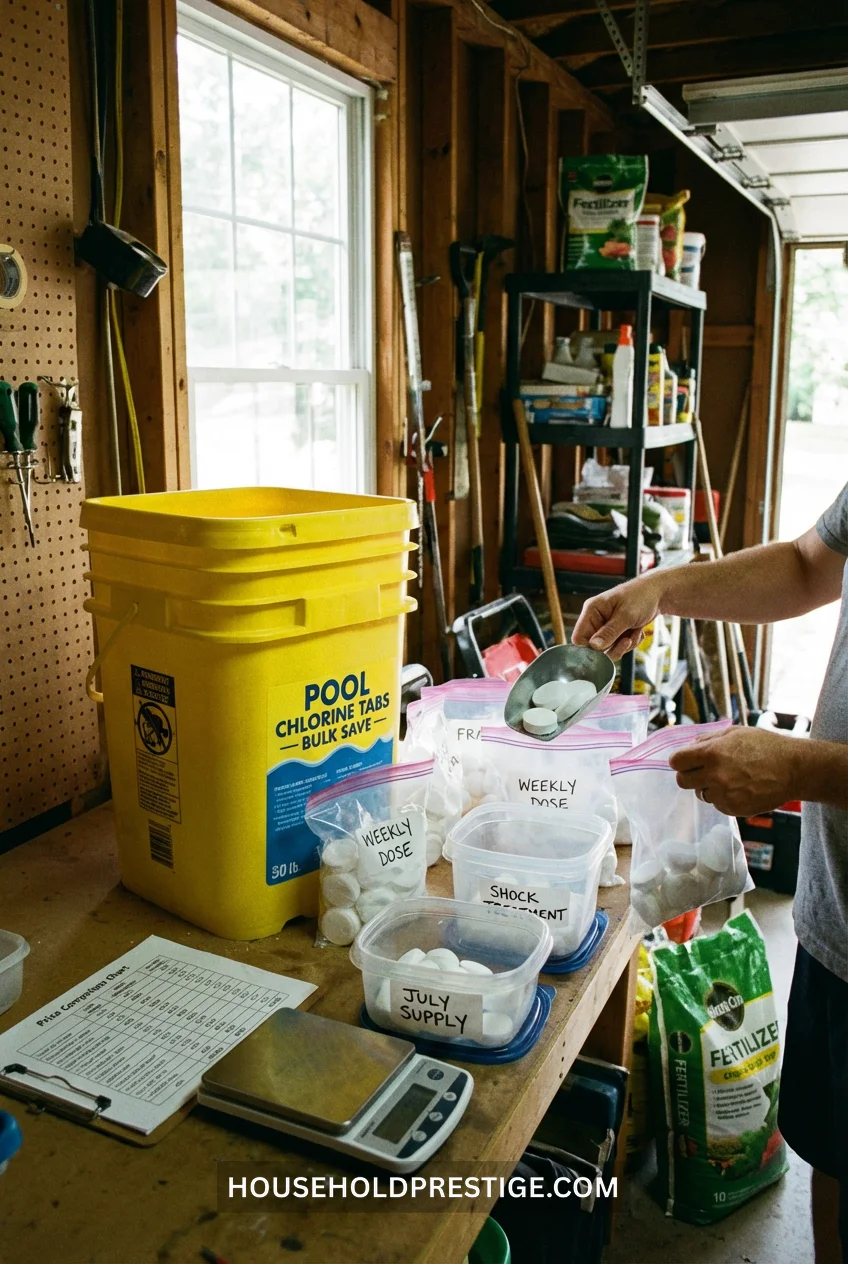
Pool chemicals bought individually at retail markup are a scam. Chlorine tablets that cost $140 for 50 pounds at the pool store cost $85 for 50 pounds at a commercial pool supply warehouse. Shock that costs $6/pound retail costs $2.50/pound in bulk.
Find 3-4 neighbors with pools and split a bulk order. You’ll cut your chemical costs by 40-50% per season. Even if you can’t find neighbors, most commercial suppliers will sell to individuals—you just have to ask and buy in contractor quantities.
Example savings: Instead of buying four 5-pound shock containers at $30 each ($120), buy one 50-pound bucket for $80. That’s a $40 savings on one chemical, one time. Multiply that across chlorine, shock, pH adjusters, and algaecide, and you’re saving $200-300 per summer.
Conclusion
Your above-ground pool doesn’t have to scream “budget setup.” These 25 hacks let you solve the real problems—keeping water clean, equipment lasting longer, and making the area look intentional instead of thrown together.
Skip the overpriced accessories. Use what you’ve got. Your pool doesn’t care if the solution came from a pool store or a dollar store. It just needs to work.
Now go enjoy your pool without wondering if you should’ve spent another $500 on something you didn’t need.
FAQ
Q: How often should I replace the water in my above-ground pool?
You don’t need to drain and refill your pool every year. With proper chemical balance and filtration, most above-ground pools only need partial water replacement (drain 30%, add fresh water) every 3-5 years. Full drainage is only necessary if your total dissolved solids (TDS) exceed 2,500 ppm or if you have persistent algae that chemicals won’t kill. Test your water annually and make the call based on data, not guesswork.
Q: Can I use bleach instead of chlorine tablets for my pool?
Yes, but it’s labor-intensive. Regular household bleach (sodium hypochlorite at 5.25-8.25%) works as a chlorine source, but you’ll need to add it daily because it doesn’t have a stabilizer like pool chlorine tablets. For a 10,000-gallon pool, you’d need roughly 1 gallon of bleach per day to maintain 3 ppm free chlorine. Fine for short-term emergencies, not practical for the whole summer. Stick with tablets that contain cyanuric acid (stabilizer) for consistent, low-maintenance chlorination.
Q: What’s the cheapest way to heat an above-ground pool?
Solar covers are the most cost-effective option ($40-90, depending on size). A dark-colored solar cover can raise pool temperature by 10-15°F over 2-3 sunny days with zero operating cost. Solar panel heaters ($100-300) work in consistently sunny climates but take up space. Electric or gas heaters ($400-2,000+) work fast but cost $200-500 per month to run. If you’re just trying to extend your swim season by a few weeks, stick with the solar cover.
Q: Do I really need a pool liner pad underneath my pool?
Yes—if you want your liner to last more than 2 years. A liner pad (or foam padding) protects against roots, rocks, and uneven ground that will puncture your liner over time. You can use commercial pool pads ($60-150) or cheaper alternatives like carpet padding, old blankets, or interlocking foam tiles from a hardware store. The 2-3 hours you spend laying padding will save you $300-600 on a premature liner replacement.
Q: How do I stop my above-ground pool ladder from being slippery?
Add traction. You can wrap ladder rails with pool noodles (as mentioned in hack #4), apply non-slip grip tape to the steps, or use removable rubber stair treads. The slipperiness usually comes from algae or sunscreen buildup, so weekly scrubbing with a magic eraser and diluted bleach (1:10 ratio) also helps. If the ladder itself is cheap plastic that’s gone smooth, replace it—no amount of tape will fix a structurally slick surface.
All really great information. Thanks for sharing.