

I used to be the person who stacked three plug-in air fresheners in a single hallway. Three. My electric bill hated me, and my sinuses weren’t thrilled either.
Then my toddler started pulling the plug-ins out of the wall — and I started reading the ingredient labels I’d been ignoring. Phthalates. Formaldehyde. Synthetic musks that don’t break down in your body for months. That was enough for me. I ripped them all out and went looking for a diy room deodorizer that could handle real-life smells without the chemical cocktail.
What I found changed how my entire house smells. And it costs me about $3 a batch.
This guide walks you through five different methods — from quick spray bottles to slow-release jars and solid deodorizing disks — so you can pick the one that fits your space, your schedule, and your nose. Every recipe uses ingredients you can grab at a grocery store. No specialty shops. No expensive starter kits. Just real solutions that work room by room.
What Makes a DIY Room Deodorizer Work (The Science in 60 Seconds)
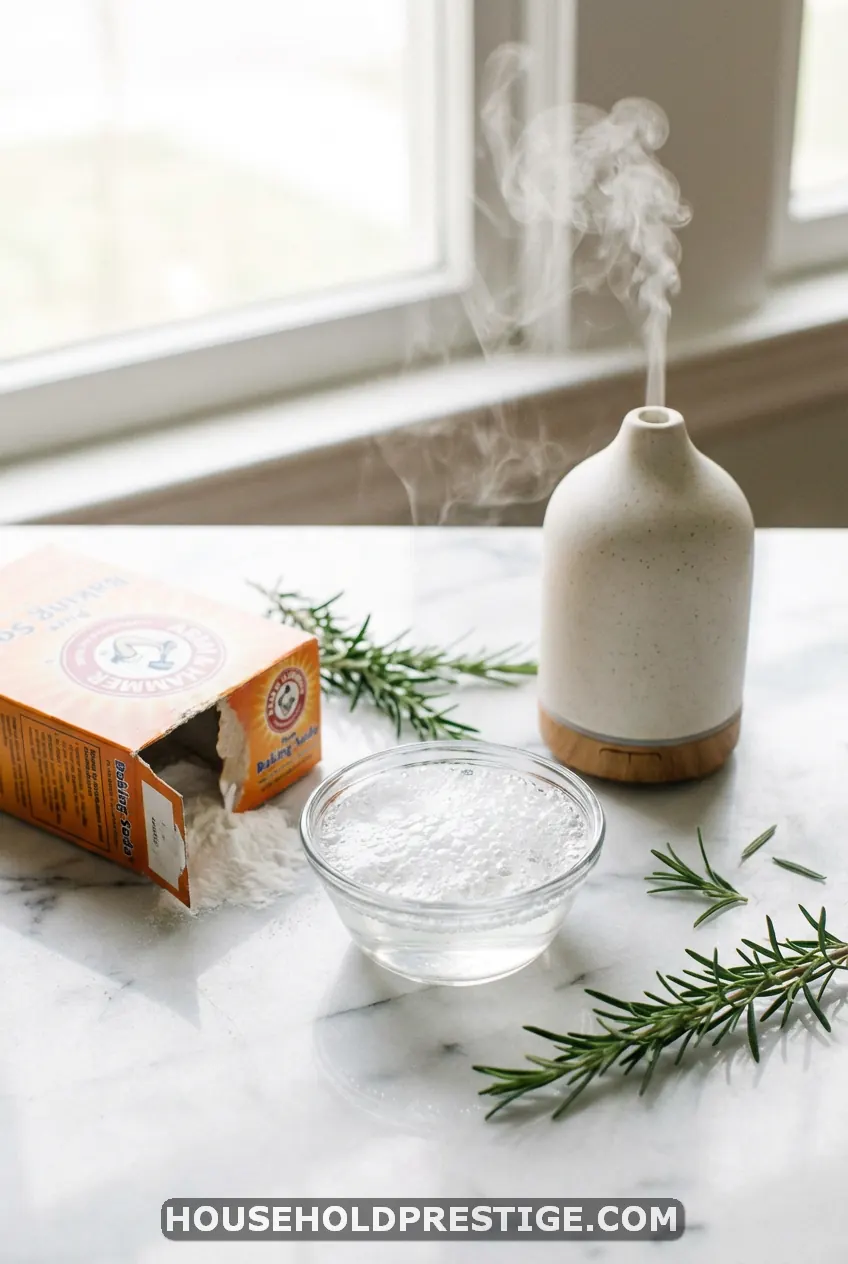
Most store-bought air fresheners mask odors. They layer perfume on top of the stink and call it fresh. That’s why the smell comes back twenty minutes later.
A good diy room deodorizer does something different. It neutralizes the odor molecules themselves.
Baking soda is the backbone of most recipes here. It’s amphoteric — meaning it reacts with both acids and bases. Most household smells (cooking grease, pet urine, garbage, mildew) are acidic. Baking soda binds to those acid molecules and renders them scentless. It doesn’t cover them up. It breaks them apart.
Essential oils add scent, but many also carry antimicrobial properties. Lavender, tea tree, and eucalyptus aren’t just pleasant — they reduce airborne bacteria that contribute to musty smells. That’s a two-punch approach: eliminate existing odors and prevent new ones from building up.
Vinegar works through a similar acid-base reaction but evaporates faster. Witch hazel acts as a natural emulsifier in sprays, keeping oil and water blended so your mixture doesn’t separate in the bottle.
Understanding this matters because it helps you pick the right method for the right room. A bathroom with chronic moisture needs something different than a coat closet that smells like wet dog.
What You’ll Need: The Core Ingredient List
Before we get into individual recipes, here’s a master supply list. You won’t need everything — just the items for the method you choose.
Base Ingredients:
- Baking soda (a 1 lb bag runs about $1.50 and covers 3-4 batches)
- Distilled water (tap water works, but distilled extends shelf life in sprays)
- White vinegar (any brand)
- Witch hazel (available at any pharmacy, roughly $4 for a 16 oz bottle)
Scent Options (Essential Oils):
- Lavender — calming, great for bedrooms
- Lemon or grapefruit — energizing, ideal for kitchens and bathrooms
- Tea tree — antimicrobial, fights mildew smells
- Eucalyptus — clears the air, works in entryways
- Peppermint — sharp and clean, deters spiders as a bonus
- Cedarwood — warm, grounding, masks pet odors well
Containers:
- 8 oz glass spray bottles ($2-3 each on Amazon or at Dollar Tree)
- Mason jars (half-pint or pint size)
- Silicone molds for disks (mini muffin molds work)
- Fabric scraps, lace, or coffee filters for jar covers
- Rubber bands or twine
Cost Reality: One complete setup — spray bottle, baking soda, witch hazel, and a single essential oil — costs $8-12 total. Compare that to $5-7 per can of Febreze that lasts two weeks. You’ll recoup the investment after your second batch.
Recipe 1: The All-Purpose Room Spray
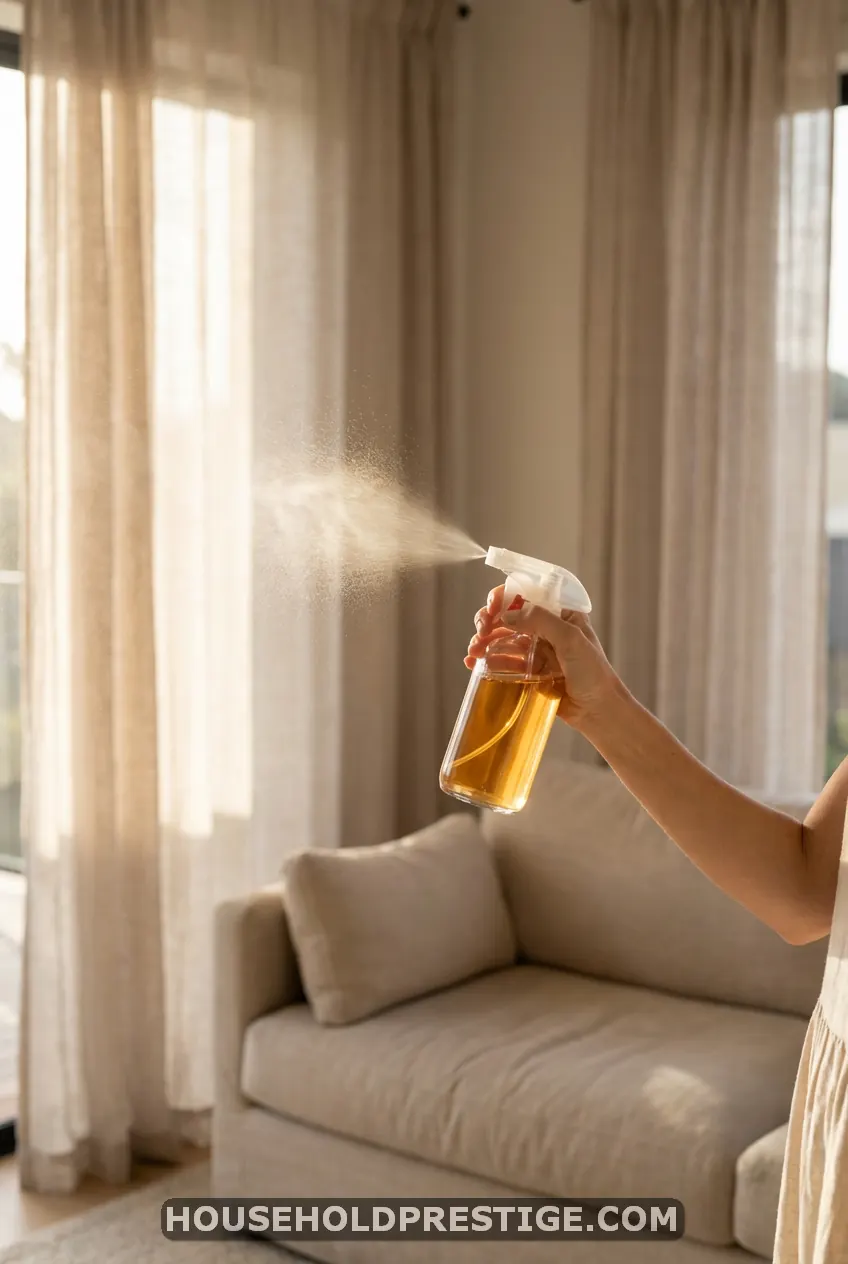
This is the fastest diy room deodorizer to make and the most versatile. Five minutes start to finish.
Ingredients
- 1 cup distilled water
- 2 tablespoons witch hazel
- 15-20 drops essential oil (single scent or a blend)
- 1 teaspoon baking soda (optional, boosts odor neutralizing)
Steps
Step 1: Add the baking soda to the spray bottle first. If you skip the baking soda, that’s fine — the spray will still smell great, but it won’t neutralize odors as aggressively.
Step 2: Pour in the witch hazel. Swirl gently so the baking soda starts dissolving.
Step 3: Add your essential oils. My go-to blend is 10 drops lavender + 5 drops lemon + 5 drops cedarwood. It reads as clean without smelling medicinal.
Step 4: Fill the rest with distilled water. Cap the bottle and shake well. Always shake before each use — natural ingredients separate over time and that’s normal.
Where It Works Best
Spray it on curtains, throw pillows, couch cushions, or straight into the air. I keep one in the bathroom and one in the kitchen. It’s not a surface cleaner, though — for that you’d need a higher vinegar concentration.
Shelf Life
About 2-3 weeks at room temperature. The essential oils lose potency after that. Making small batches more often beats making a giant bottle that goes flat.
Recipe 2: The Baking Soda Deodorizer Jar
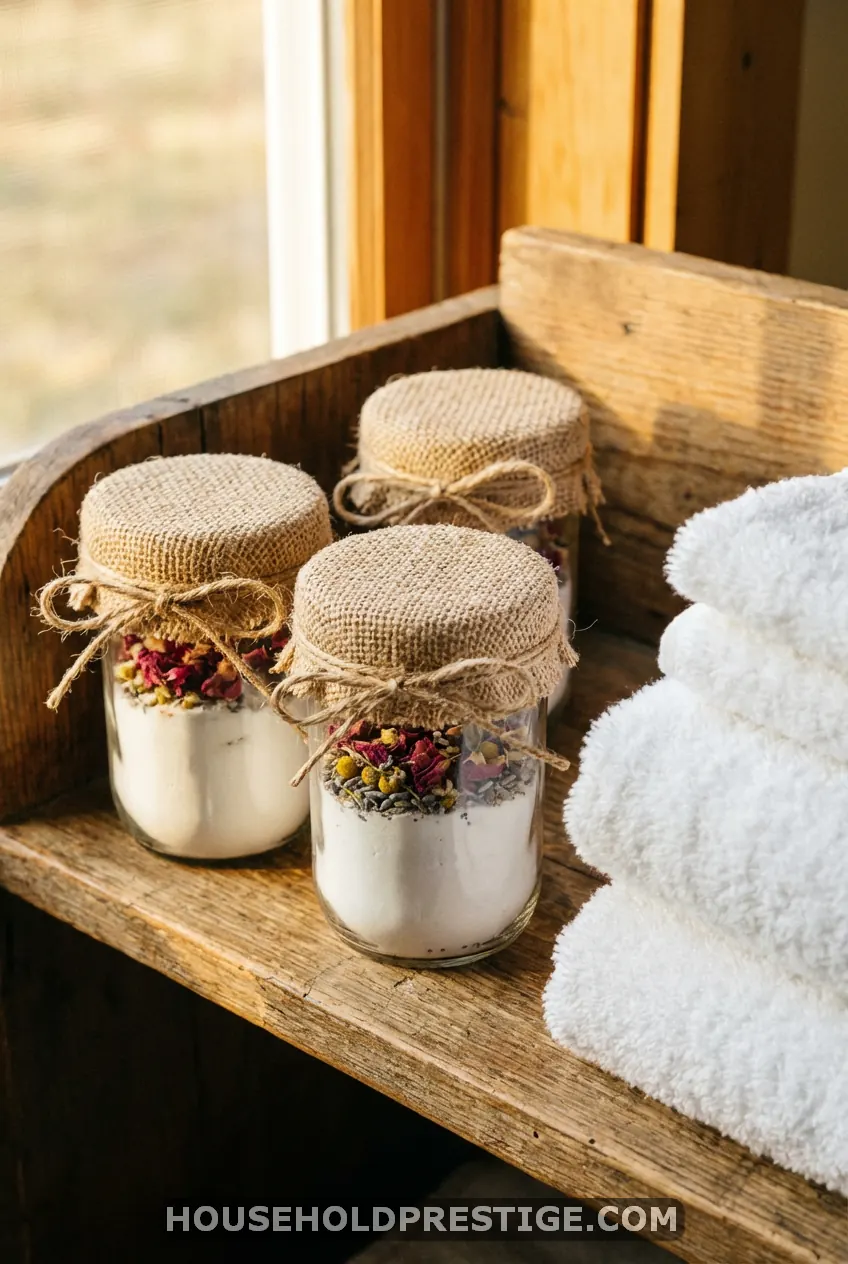
This is the workhorse. Set it and forget it for up to six weeks.
Ingredients
- 1/2 cup baking soda per jar
- 8-10 drops essential oil per jar
- Mason jar, spice jar, or any small glass container with a lid
Steps
Step 1: Pour the baking soda into a glass mixing bowl.
Step 2: Add essential oils and stir with a fork until evenly distributed. Break up any clumps. The baking soda should look slightly damp but not wet.
Step 3: Transfer the mixture into your jar using a small funnel.
Step 4: Cover the jar with a piece of breathable fabric — lace, cheesecloth, a coffee filter, or even an old cotton t-shirt scrap. Secure with a rubber band, twine, or the jar ring (without the flat lid insert).
Step 5: Place it in any room that needs freshening. The baking soda pulls odors from the air while the essential oils release scent slowly.
The Pro Move
Keep the solid lid nearby. When you leave the house or go to bed, pop the solid lid on. This preserves both the odor-absorbing power and the essential oil scent, easily doubling the jar’s effective lifespan from 4-6 weeks to 8-10 weeks.
Where to Place Them
- Bathroom: On the back of the toilet tank or under the sink
- Kitchen: Near the trash can or inside the cabinet under the sink
- Closets: On the top shelf or floor
- Entryway: Behind a decorative object on a console table
- Car: In the cup holder (use a smaller jar)
Refresh Cycle
When the scent fades — usually around week 4 — add 5 more drops of essential oil and stir. After 6-8 weeks total, dump the baking soda (it works great sprinkled on carpet before vacuuming) and start a fresh batch.
Recipe 3: Solid Deodorizing Disks
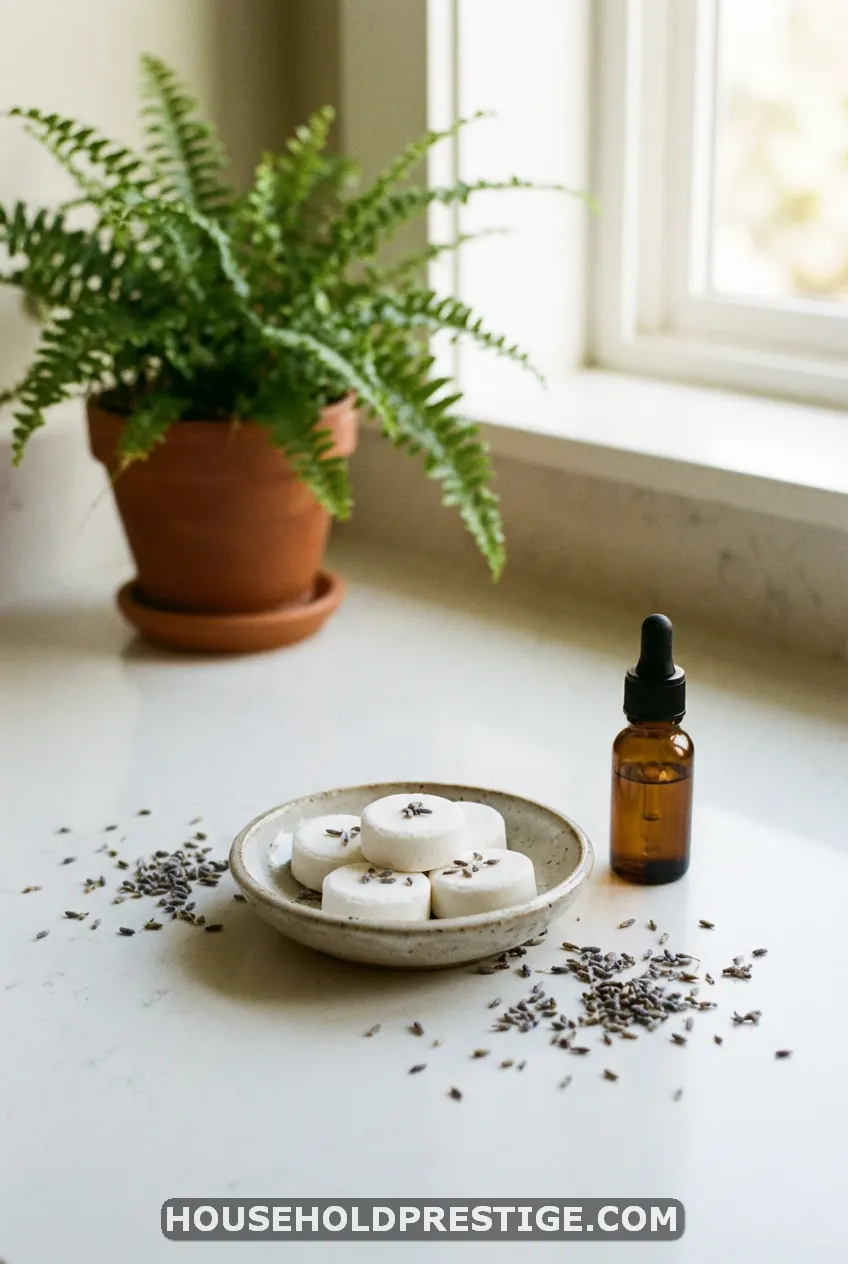
These are the Pinterest darlings for a reason. They’re portable, cute, and hands-off.
Ingredients
- 1 cup baking soda
- 1/3 cup water
- 15-20 drops essential oil
- Silicone mold (mini muffin tin works perfectly)
Steps
Step 1: Combine baking soda and essential oils in a bowl. Mix well.
Step 2: Add water a little at a time, stirring as you go. The consistency should feel like wet sand — it should hold its shape when pressed but not be soupy. Too much water makes crumbly disks that fall apart.
Step 3: Press the mixture firmly into your silicone mold cavities. Pack it tight. Each mini muffin well holds about one disk.
Step 4: Let them dry for 24-48 hours at room temperature. Speed this up by placing them in an oven set to 170°F for 2-3 hours, but air-drying gives a sturdier result.
Step 5: Pop them out of the mold. They should be solid and hard. If they crumble, they needed more drying time.
Where They Shine
Tuck these into drawers, shoe racks, gym bags, linen closets, trash cans, and diaper pails. Anywhere you’d stick a commercial deodorizer disk, these do the job without the plastic waste.
They last about 2-3 weeks per disk depending on the space. Smaller enclosed spaces (drawers, shoes) get more life out of each disk because the baking soda saturates slower.
Recipe 4: The Vinegar Deodorizer Spray (For Stubborn Smells)
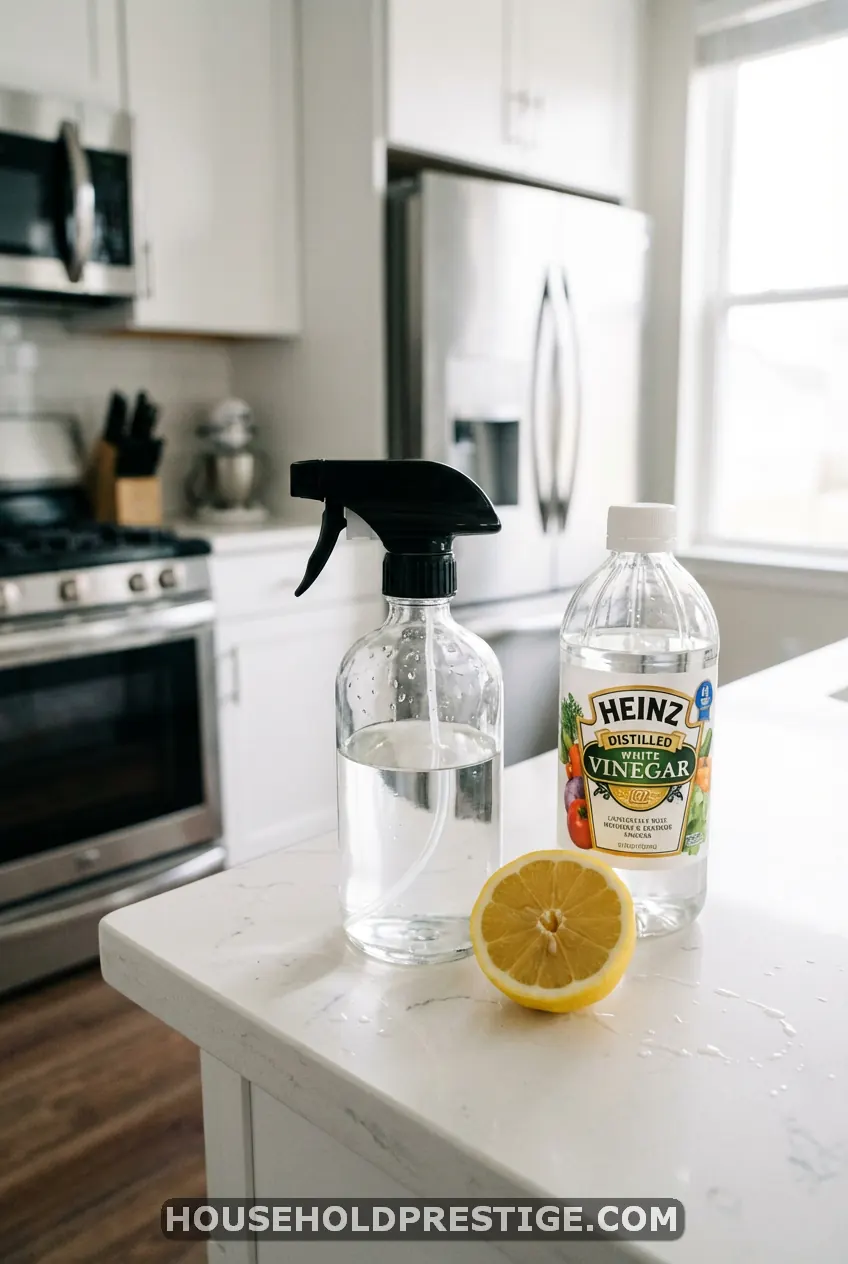
This one won’t win any beauty contests. But when the kitchen smells like last night’s fish dinner or the dog bed is beyond hope, this is what you reach for.
Ingredients
- 1/2 cup white vinegar
- 1/2 cup water
- 10 drops essential oil (lemon or eucalyptus work best here — they complement the vinegar’s sharpness)
Steps
Step 1: Combine vinegar and water in a glass spray bottle.
Step 2: Add essential oils. Shake well.
Step 3: Spray directly into the air or onto soft surfaces. The vinegar smell dissipates within 10-15 minutes, taking the bad smell with it.
A quick word about the vinegar scent. Yes, your room will smell like vinegar for a few minutes. It passes. The acetic acid evaporates and takes odor molecules along with it. What’s left behind is whatever essential oil you added — plus genuinely clean air, not perfumed-over funk.
When This Beats the Baking Soda Spray
Baking soda sprays work slowly and smell pleasant from the start. Vinegar sprays work fast and smell harsh for a few minutes. Use the baking soda version for maintenance and daily freshening. Use the vinegar version for emergency stink situations: burnt food, pet accidents, garbage day, and the morning after a dinner party.
Recipe 5: Stovetop Simmer Pot (Whole-House Freshening)

No essential oils needed for this one. It fills every room in your house within 30 minutes.
Ingredients
- 6 cups water
- 1 sliced orange or lemon (or both)
- 3 cinnamon sticks
- A handful of whole cloves
- 2-3 sprigs of fresh rosemary or thyme
- 1 teaspoon vanilla extract (optional)
Steps
Step 1: Add everything to a medium pot.
Step 2: Bring to a boil, then reduce heat to the lowest simmer.
Step 3: Keep it going as long as you’d like. Add more water every hour or so as it evaporates.
That’s it. The steam carries the scent molecules throughout your house via natural air circulation. Open a couple of interior doors and let the airflow do its thing.
Seasonal Variations
Spring/Summer: Lemon slices + fresh mint + cucumber rounds Fall: Apple slices + cinnamon sticks + whole nutmeg + cloves Winter: Orange peels + cranberries + rosemary + vanilla
Cost Per Session
About $1.50-2.00 using grocery store ingredients. Compare that to a $25 candle that burns for roughly 40 hours. The simmer pot can run 4-6 hours per session, uses real food ingredients, and fills more square footage than any candle or diffuser.
Room-by-Room Guide: Matching the Right Method to the Right Space
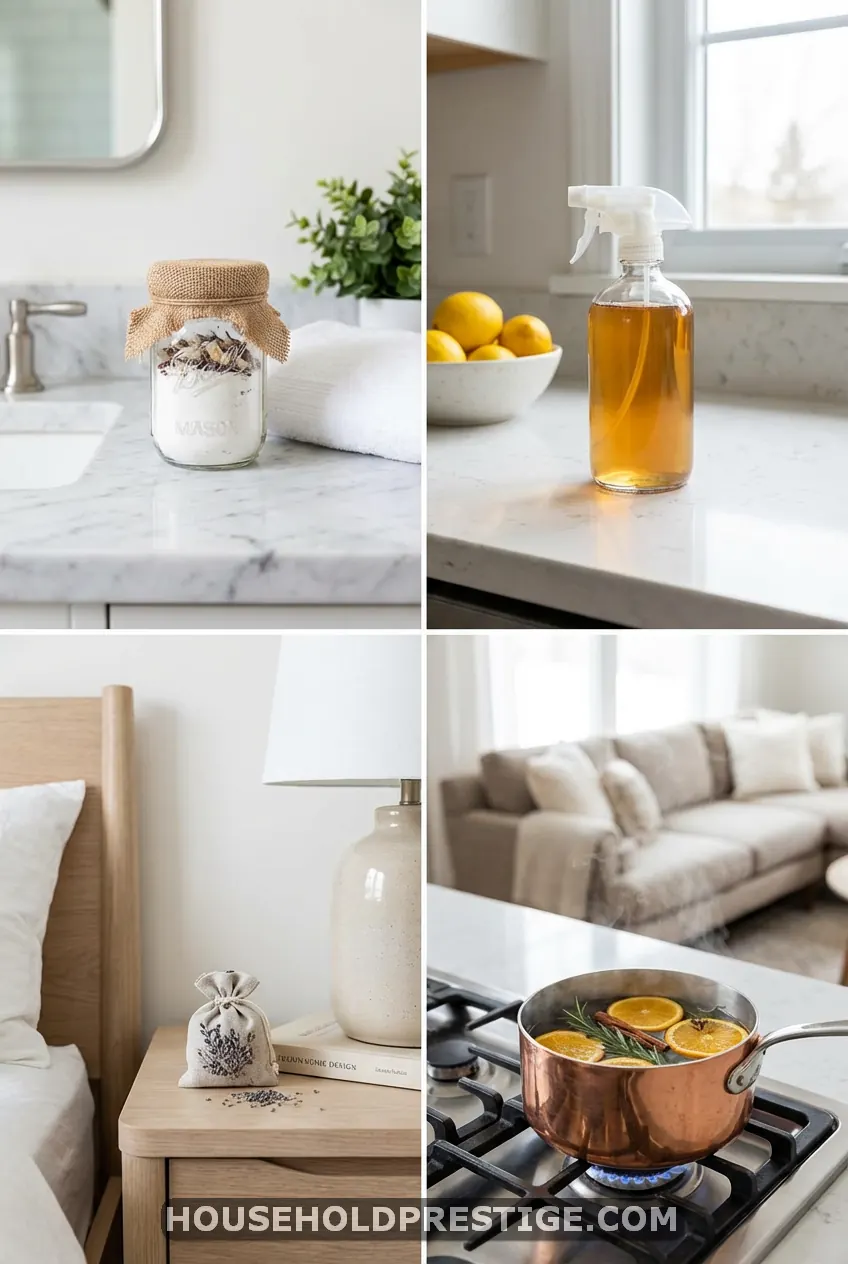
Not every room needs the same approach. Here’s a quick breakdown.
Bathroom: Baking soda jar under the sink + room spray on the counter. Bathrooms deal with moisture and organic odors. The jar handles ambient funk while the spray gives instant freshening after use. Add tea tree oil to both — it fights mildew.
Kitchen: Vinegar spray near the stove and trash can. Cooking odors are oily and acidic. Vinegar cuts through them faster than baking soda alone. Simmer pots work great here too — you’re already in the kitchen.
Bedroom: Baking soda jar on the nightstand or deodorizing disks in dresser drawers. Lavender or chamomile oils pull double duty — they freshen and promote better sleep. Keep scents mild here. Strong fragrances can disrupt rest.
Living Room: Room spray for furniture and curtains. This room collects smells from every other room plus whatever your family tracks in. A light misting 2-3 times a week keeps things neutral.
Closets and Mudrooms: Deodorizing disks or sachets. These enclosed spaces trap moisture and hold onto shoe and coat odors. Cedarwood oil is your friend here — it’s a natural moth deterrent too.
Pet Areas: Sprinkle straight baking soda on pet beds and rugs. Let it sit 15-20 minutes, then vacuum. Follow up with the baking soda jar nearby for ongoing freshening. Avoid peppermint and tea tree oils near cats — both can be toxic to felines.
Common Mistakes That Kill Your DIY Room Deodorizer’s Effectiveness
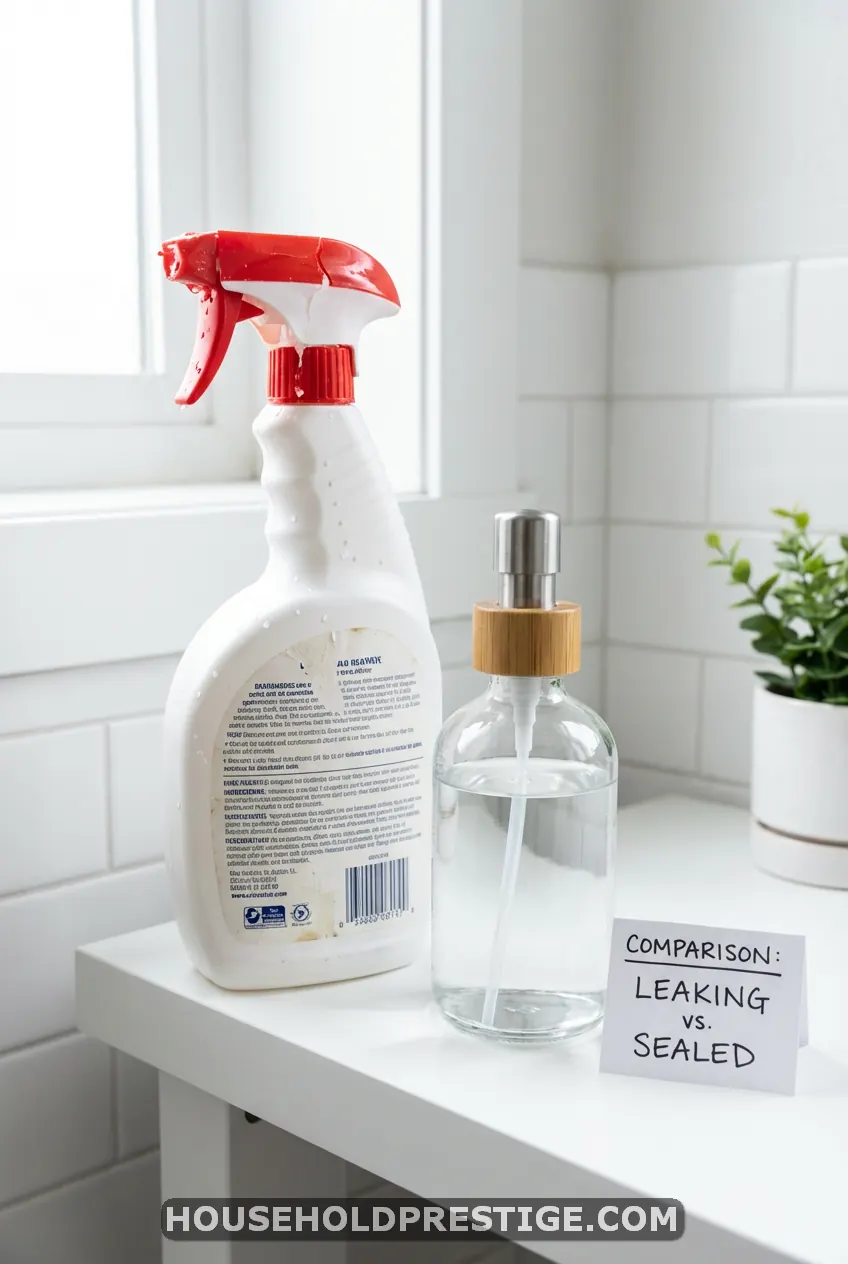
I made every single one of these before I figured out what works.
Using plastic spray bottles. Essential oils break down plastic over time. Within a few weeks, the plastic degrades, the nozzle clogs, and microplastics leach into your spray. Glass bottles cost $1-2 more and last years.
Adding too much essential oil. More drops don’t mean more scent. Past 20 drops per cup of liquid, you’re wasting oil and creating a spray that’s overpowering up close and still fades fast. The concentration sweet spot is 15-20 drops per 8 oz.
Using tap water in spray recipes. Tap water contains minerals and trace chlorine. Both reduce shelf life and can react with essential oils. Distilled water costs $1 a gallon and makes your sprays last twice as long.
Placing baking soda jars in direct sunlight. UV light breaks down essential oils rapidly. A jar on a sunny windowsill loses its scent in days instead of weeks. Keep jars in shaded spots or inside cabinets.
Expecting one method to handle the whole house. No single recipe covers every type of odor. Sprays handle surface-level freshening. Jars handle ambient air. Vinegar tackles grease and organic smells. Simmer pots flood large spaces. Use them together.
Wrapping Up
You don’t need a cabinet full of commercial sprays to keep your house smelling good. A box of baking soda, a bottle of essential oil, and ten minutes of your time give you a diy room deodorizer that works harder, lasts longer, and won’t fill your lungs with synthetic chemicals.
Start with one method — the baking soda jar is the easiest — and build from there. Once you see how well it handles the bathroom or the closet, you’ll want one in every room. And at $2-3 per batch, there’s no reason not to.
Your nose will thank you. So will your wallet.
FAQ
How often should I replace a baking soda diy room deodorizer? Plan on swapping out the baking soda every 4-6 weeks. After that point, the powder becomes saturated with odor molecules and stops absorbing new ones. You can extend the scent by adding a few more drops of essential oil at the halfway mark, but the deodorizing power itself has a limit. When it stops smelling fresh, it’s time for a new batch.
Are essential oil room deodorizers safe around pets? Most are safe around dogs with a few exceptions. Avoid tea tree, peppermint, cinnamon bark, and wintergreen oils around cats — their livers can’t metabolize certain compounds (phenols and monoterpene hydrocarbons) found in these oils. Birds are even more sensitive than cats. If you have birds in the house, stick with baking soda alone — no essential oils, no vinegar sprays, and no simmer pots with non-stick cookware.
Can I use fragrance oils instead of essential oils in these recipes? You can, but they won’t deodorize. Fragrance oils are synthetic compounds designed to smell nice. They have no antimicrobial properties and don’t interact with odor molecules the way plant-derived essential oils do. If you just want scent, fragrance oils are fine and often cheaper. If you want actual odor elimination plus scent, stick with pure essential oils.
Why does my room spray separate after sitting for a day? Oil and water don’t mix without help. Witch hazel acts as a partial emulsifier, but it won’t create a permanent bond. Separation is normal and expected with natural sprays. Shake vigorously before every use — about 10 good shakes. If separation bothers you, add 1/2 teaspoon of vegetable glycerin, which improves the blend stability.
What’s the strongest natural scent for covering cooking odors? Eucalyptus and lemon together cut through food smells faster than any other oil combination. But covering isn’t the goal — neutralizing is. Spray the vinegar-based recipe (Recipe 4) after cooking to break down airborne grease particles, then follow up with a quick mist of your baking soda room spray for a pleasant scent layer. The one-two combo handles even deep-fried-fish-level situations.