

The all-weekend cleaning marathon is a bad plan. You burn out by Saturday noon, the kitchen is still a mess, and Sunday night you sit on a half-scrubbed floor wondering why you started.
A better way to go about deep cleaning your house is to work in short, timed chunks and do the high-impact jobs first. Below are 11 tasks, each with a time estimate and a few tricks for the spots people forget. Do one a day, or do three on a free Saturday. Either way, you will finish.
Signs It’s Time for a Deep Clean
Your home usually tells you. Look for these:
- Dust is back within a day of wiping.
- The fridge shelves feel sticky.
- Bath towels smell musty even when they are clean.
- There is grease on the cabinet doors near the stove.
- You sneeze more indoors than out.
- You cannot remember your last deep clean.
If you nodded at three or more, keep reading.
How to Order the Work
Start high and finish low. Dust and crumbs fall, so ceilings, fans and shelves come before floors. Do the grimy rooms first (kitchen, bathrooms) while your energy is high.
Gather your kit once: white vinegar, baking soda, dish soap, a stack of microfiber cloths, a squeegee, a grout brush and a vacuum with a brush attachment. Never mix vinegar with bleach. Open a window when you scrub.
1. Kitchen: Where the Grease Lives
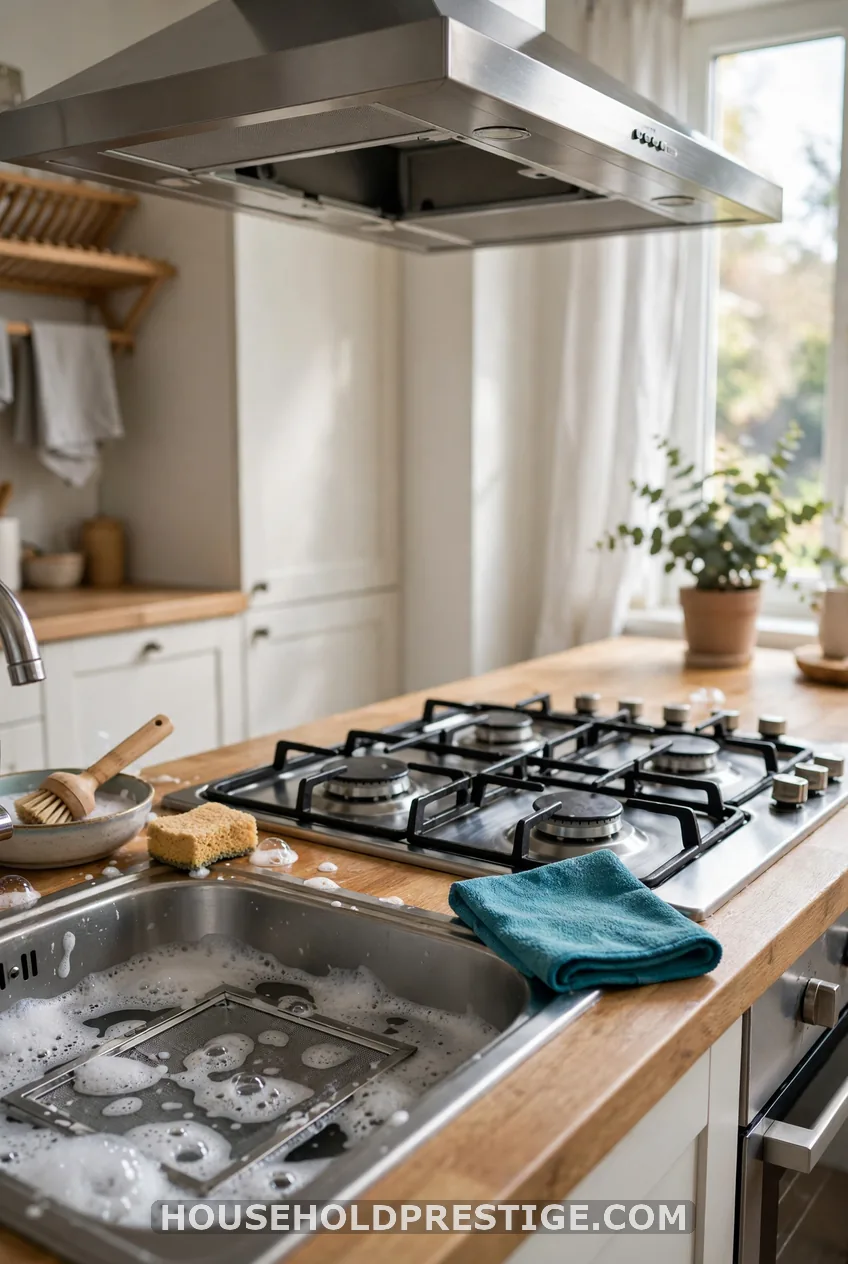
Plan on 2 to 3 hours. The kitchen takes longest, so go in with a plan.
What you need: dish soap, white vinegar, baking soda, a non-scratch scrub pad, microfiber cloths and a toothbrush. Total cost if you own none of it is about $15.
- Pull the range hood filter and soak it in hot water with a big squirt of dish soap for 15 minutes. Scrub gently with a brush and rinse.
- Take off the stove grates and knobs. Soak them in the same sink.
- Spread a paste of baking soda and water over the oven interior. Leave it for 30 minutes, then wipe it out.
- Steam the microwave. Heat a bowl of water with a splash of vinegar for 3 minutes, then wipe the walls.
- Empty the fridge one shelf at a time. Toss expired food and wash the shelves and door seals with warm soapy water.
- Wipe the cabinet fronts, backsplash and counters, top to bottom.
The common mistake is using an abrasive pad on stainless steel. It leaves scratches that grab more grime. Wipe with the grain and use a microfiber cloth.
Last, pull out the fridge and sweep the dust off the coils. A dusty coil makes the fridge work harder. Run lemon halves and ice through the garbage disposal to freshen it.
2. Bathroom: Soap Scum and Mildew
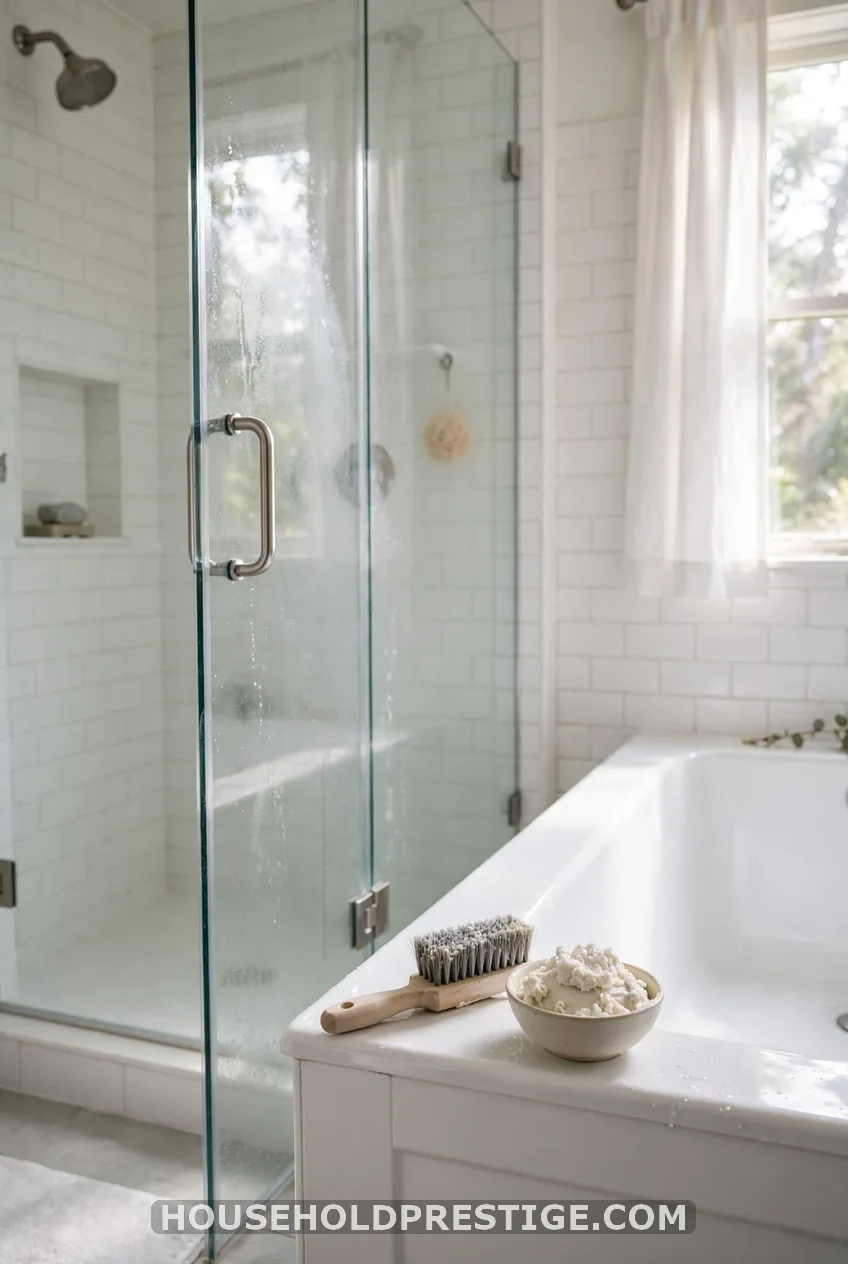
Give it 90 minutes. Spray the shower with a vinegar and dish soap mix first and let it sit while you do the toilet.
Scrub grout with baking soda paste and a grout brush. Skip vinegar on natural stone like marble, since it etches the surface. Toss the shower liner in the washing machine on warm with a couple of towels, and hang it back up to dry.
Don’t forget the exhaust fan. Pop the cover off, wash it in the sink and wipe the dust off the blades.
3. Bedrooms: Linens, Mattress and Dust
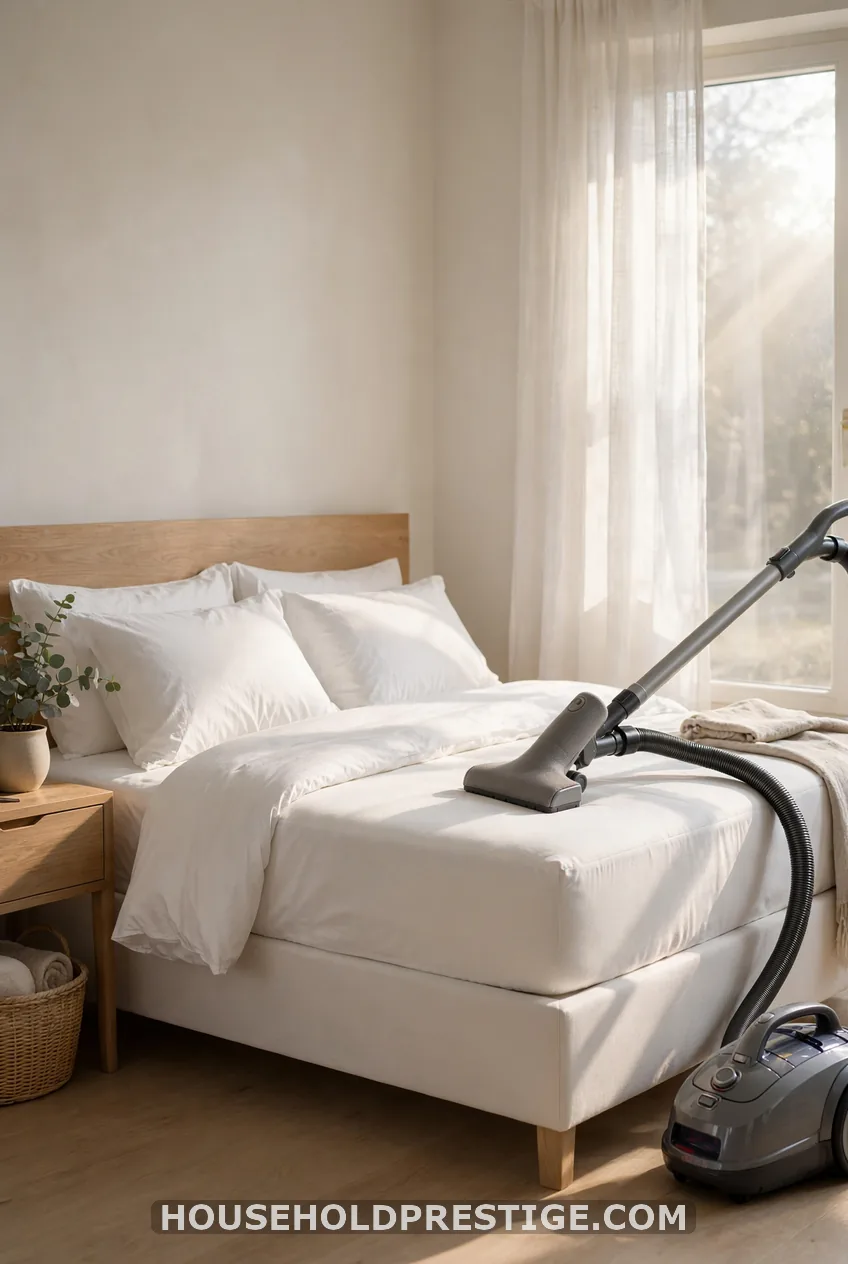
Block out an hour per bedroom. Strip the bed first, then start the wash: sheets, mattress pad and pillow covers on hot if the labels allow.
While the machine runs, vacuum the mattress with the upholstery attachment. Sprinkle a thin layer of baking soda, wait 30 minutes and vacuum again. Then rotate it head to foot.
Dust the ceiling fan, then the dresser, then the nightstands. Vacuum under the bed last, and wipe the baseboards and door frames on your way out.
4. Living Room: High-Touch and Hidden Spots
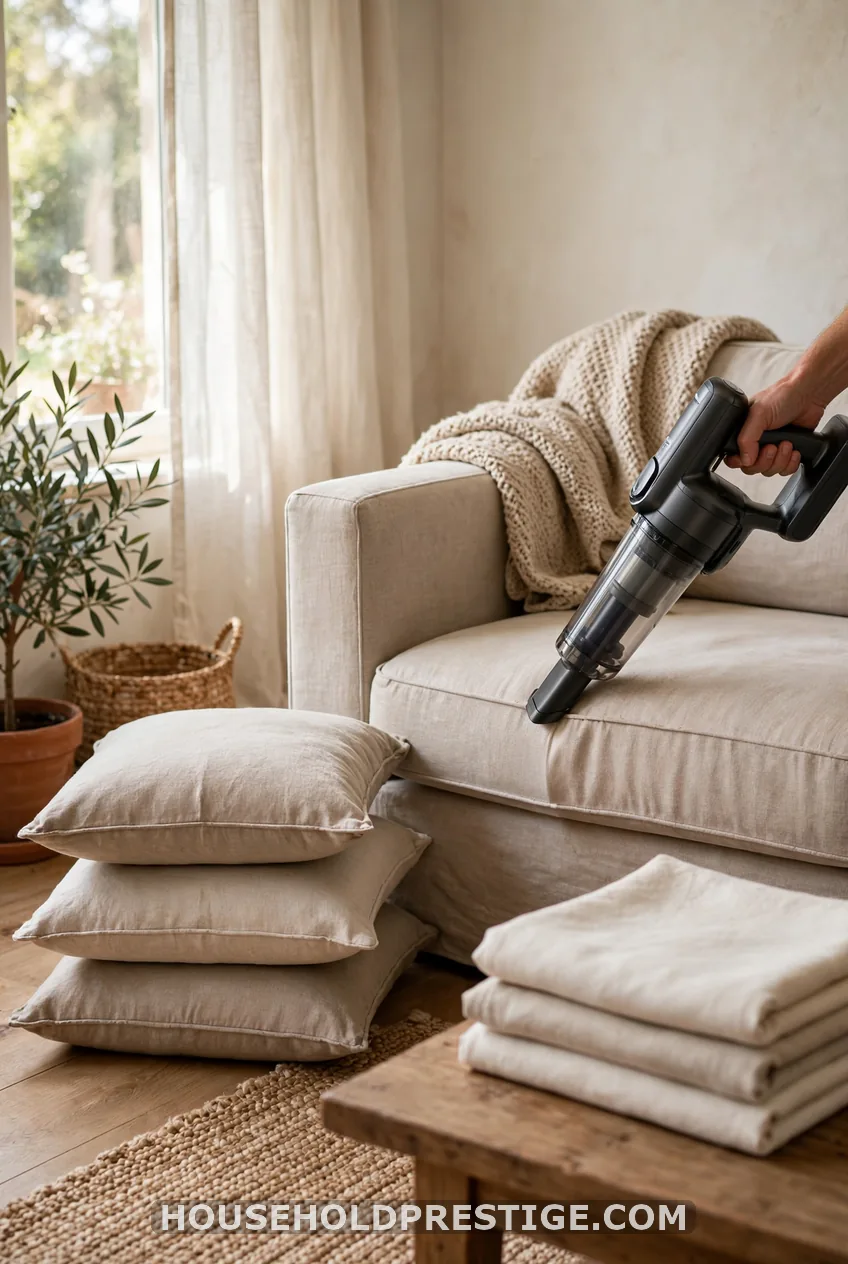
Plan on 75 minutes. Pull every cushion off the sofa and vacuum the seams. You will find coins, crumbs and at least one lost earring.
Wash throw pillow covers and blankets. Dust shelves and décor from top to bottom, and wipe electronics with a dry microfiber cloth. Never spray liquid straight onto a screen.
Wipe the light switches, remotes and door handles with a damp cloth and a drop of dish soap. These get touched all day.
5. Laundry Room: The Forgotten Zone
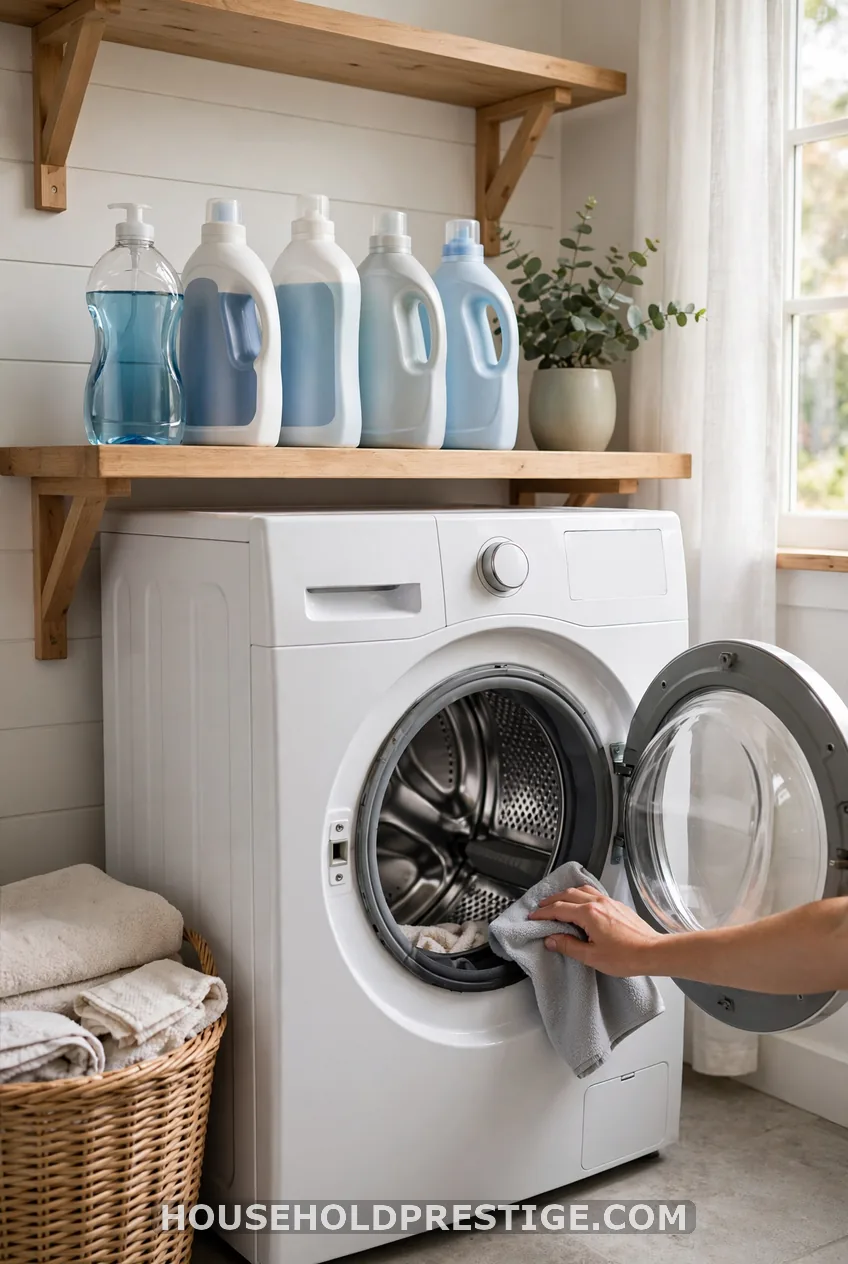
What most people think: the washer cleans itself because it is full of soap. Reality: detergent residue and damp rubber seals grow mildew, and your “clean” towels start to smell sour.
Wipe the gasket with vinegar, then run a hot cleaning cycle with a washer cleaner such as affresh or two cups of vinegar. Empty the lint trap, and use a dryer vent brush to clear the duct. A clogged vent is a fire risk, so give it 20 minutes. Wipe the shelves, toss empty bottles and mop behind the machines.
6. Home Office: Dust and Paper Piles
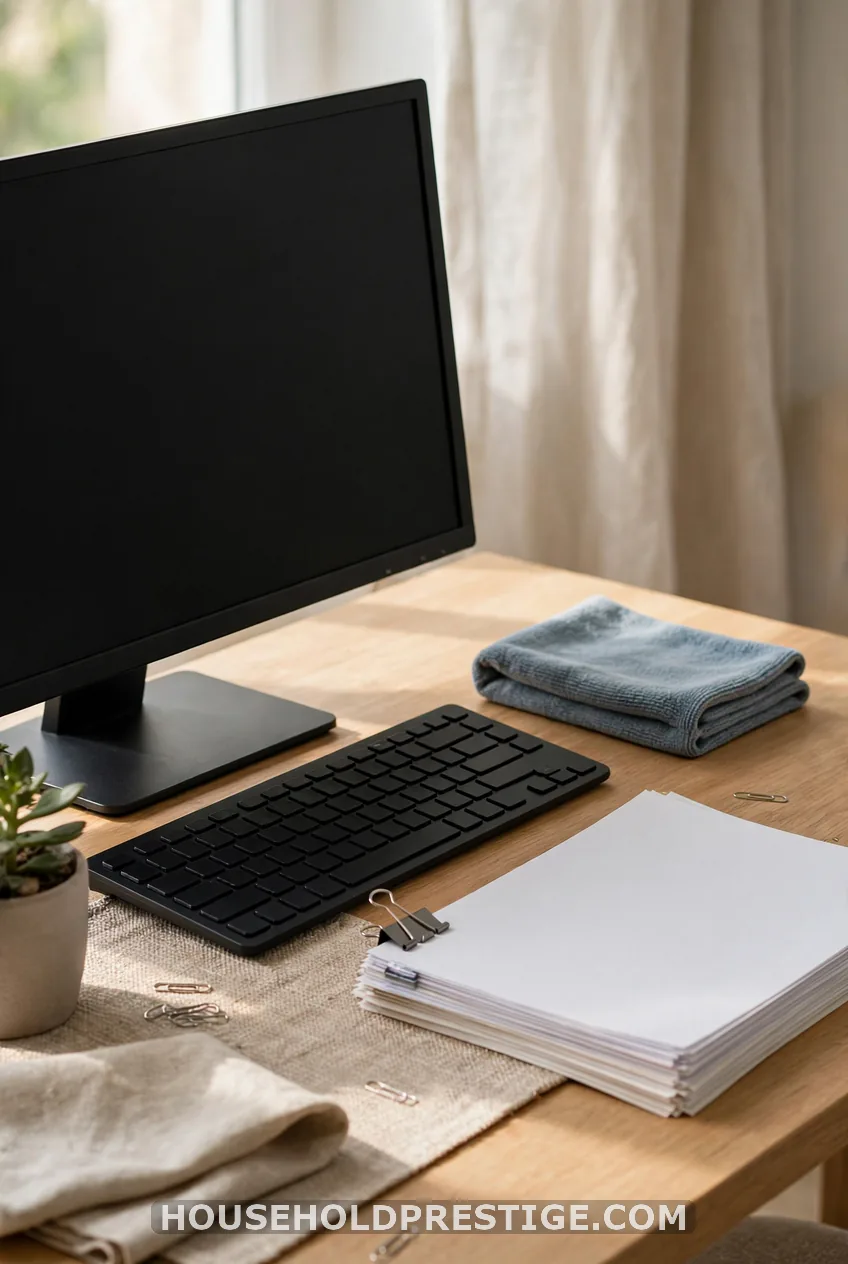
Thirty to forty minutes. Turn the keyboard upside down and shake it, then run a cotton swab between the keys.
Dust shelves and picture frames, sort papers into keep, shred and recycle, and wipe the baseboards. Vacuum last.
7. Closets and Storage: Sort Before You Scrub

Allow 1 to 2 hours per closet. Empty it completely, then sort into keep, donate and toss.
Wipe the shelves and rod, and vacuum the floor. Store off-season items in labeled bins on the top shelf, and put back only what earned its place.
8. Windows and Glass: Streak-Free in 45 Minutes
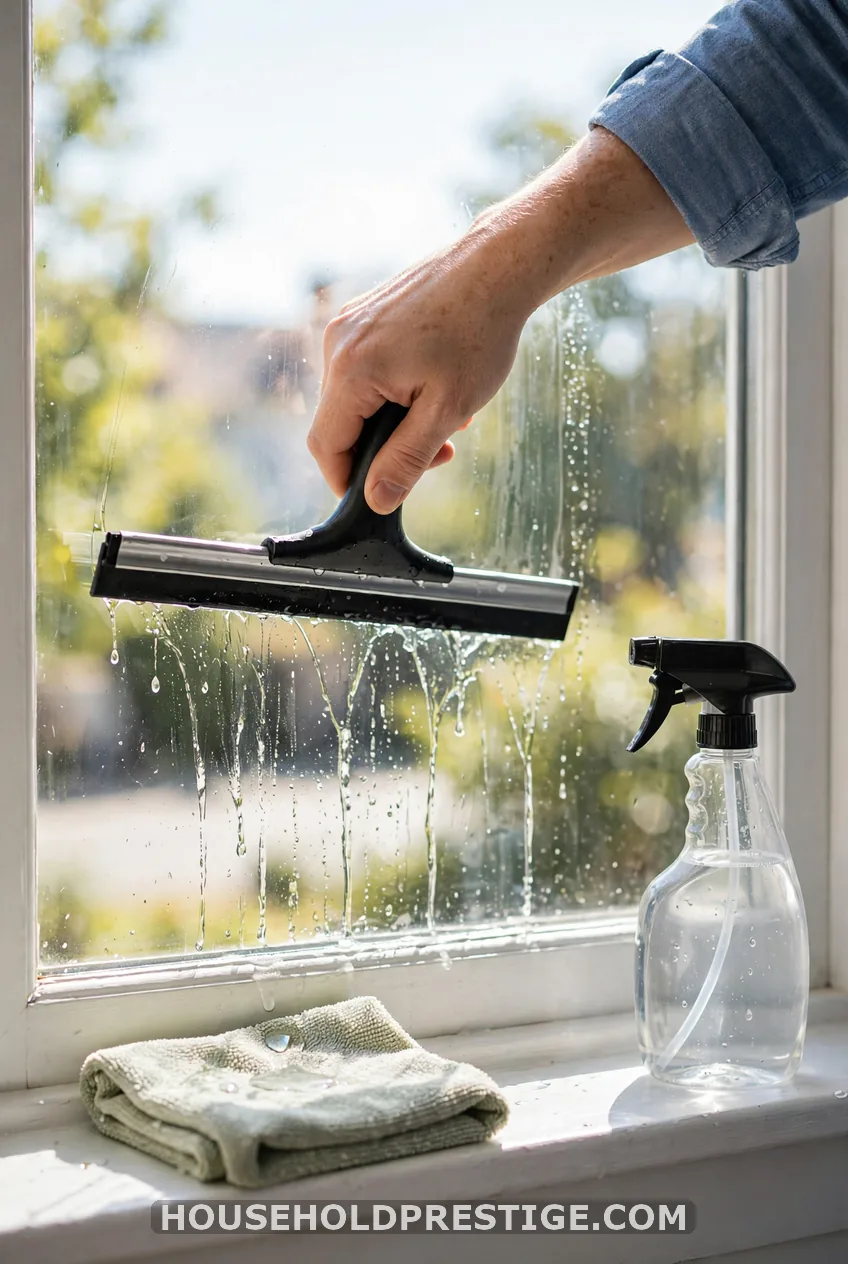
Clean on a cloudy day. Direct sun dries the spray too fast and leaves streaks.
Wipe the window tracks first with a damp cloth and a cotton swab. Then spray a half-vinegar, half-water mix and pull a squeegee from top to bottom, wiping the blade after each pass. Finish glass doors and mirrors with a dry microfiber cloth.
9. Floors and Baseboards: Finish Low
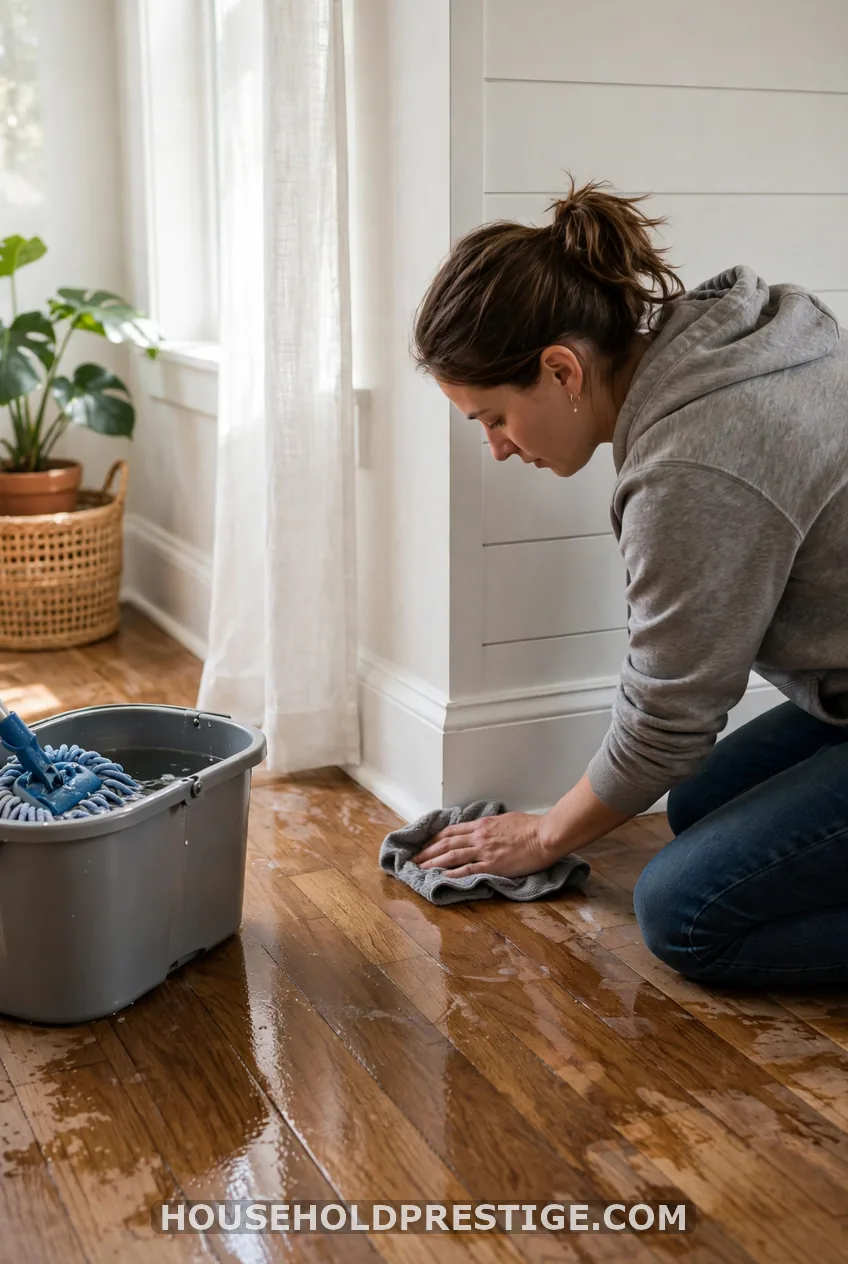
Plan on 1 to 2 hours for the whole house. Do this after everything else, because the dust from above has landed here.
Vacuum corners and under furniture first. Wipe baseboards with a damp cloth or a magic eraser. For a quick trick, rub a dryer sheet over them afterward. It helps repel dust.
Mop hard floors with the cleaner your floor maker recommends. Water ruins some wood and laminate, so wring the mop until it is nearly dry. Let floors dry fully before you walk across.
10. Hidden Spots: Fans, Vents and Door Frames
An hour covers these. They are the areas guests never see and you never forget.
Slip an old pillowcase over each fan blade and pull it back. The dust stays inside the case instead of drifting onto your face. Wash vent covers in soapy water, and wipe light fixtures, door frames and the tops of cabinets. Use a stable step stool, never a chair.
If you have pet hair on upholstery, a squeegee dragged across the fabric lifts it into a pile.
11. Finishing Touches: Filters, Trash and a Walkthrough
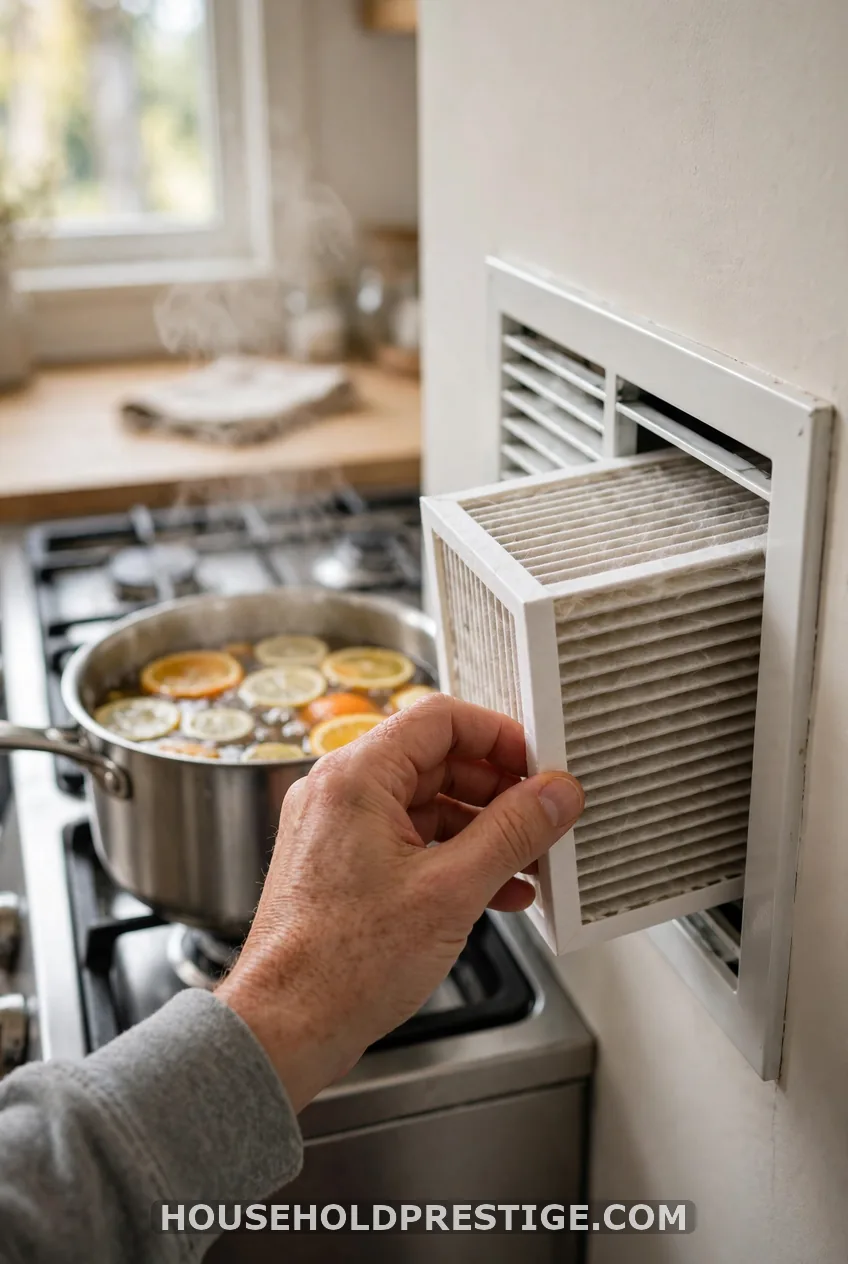
Thirty minutes. Change the HVAC filter, which costs about $10 to $25 depending on size. Check the arrow on the frame so it points toward the air handler.
Test the smoke detectors and swap batteries if needed. Empty every trash bin, wash the worst ones and put in fresh liners.
Simmer orange peel, a cinnamon stick and a few cloves in a pot of water for a clean scent. Then walk the house with a fresh cloth and catch what you missed.
How to Pick Your Starting Point
Short on time? Do these three first: the kitchen (item 1), the bathroom (item 2) and the floors (item 9). They show the biggest difference.
If you have a free weekend, do the wet rooms Saturday morning, the bedrooms and living areas in the afternoon, and the rest on Sunday. If you have a busy week, do one item a day. Eleven days later, the whole house is done.
Back to the Marathon
Remember the all-weekend marathon from the start? You don’t need it. Eleven tasks, a timer and a microfiber cloth beat a gritty Sunday night every time. Do one today and call it progress.
FAQ
How often should I deep clean my house?
Once or twice a year works for most rooms. Kitchens and bathrooms do better with a deep clean every three months, since grease, soap scum and mildew build up fast. Pets and allergies call for a more regular schedule.
What is the difference between deep cleaning and regular cleaning?
Regular cleaning is upkeep: dishes, vacuuming, wiping counters. Deep cleaning reaches the hidden grime, such as appliances, baseboards, vents, light fixtures and the spots behind and under furniture.
How long does a deep clean take?
A whole-house job can run 8 to 12 hours. Split it into one- or two-hour blocks per room and it feels light. A timer helps you stop on time.
Do I need special products to deep clean?
Not much. White vinegar, baking soda, dish soap and microfiber cloths handle most jobs. Buy an oven degreaser or a washer cleaner only for stubborn buildup, and keep vinegar off natural stone.