

I’m standing at the sink with a limp golden pothos in one hand and a pair of scissors in the other. Half the vines are bare for the first foot. The leaves at the tips are the size of a quarter. I snip, I sigh, and I promise this plant a better life.
That was my first pothos, and I nearly killed it by being too nice. Good pothos plant care is mostly about doing less, but doing the right things. Here are 8 tips that cover light, water, soil, humidity, feeding, pruning, cleaning and pests, plus a quick fix chart for the symptoms that worry people most.
1. Give It Bright, Indirect Light
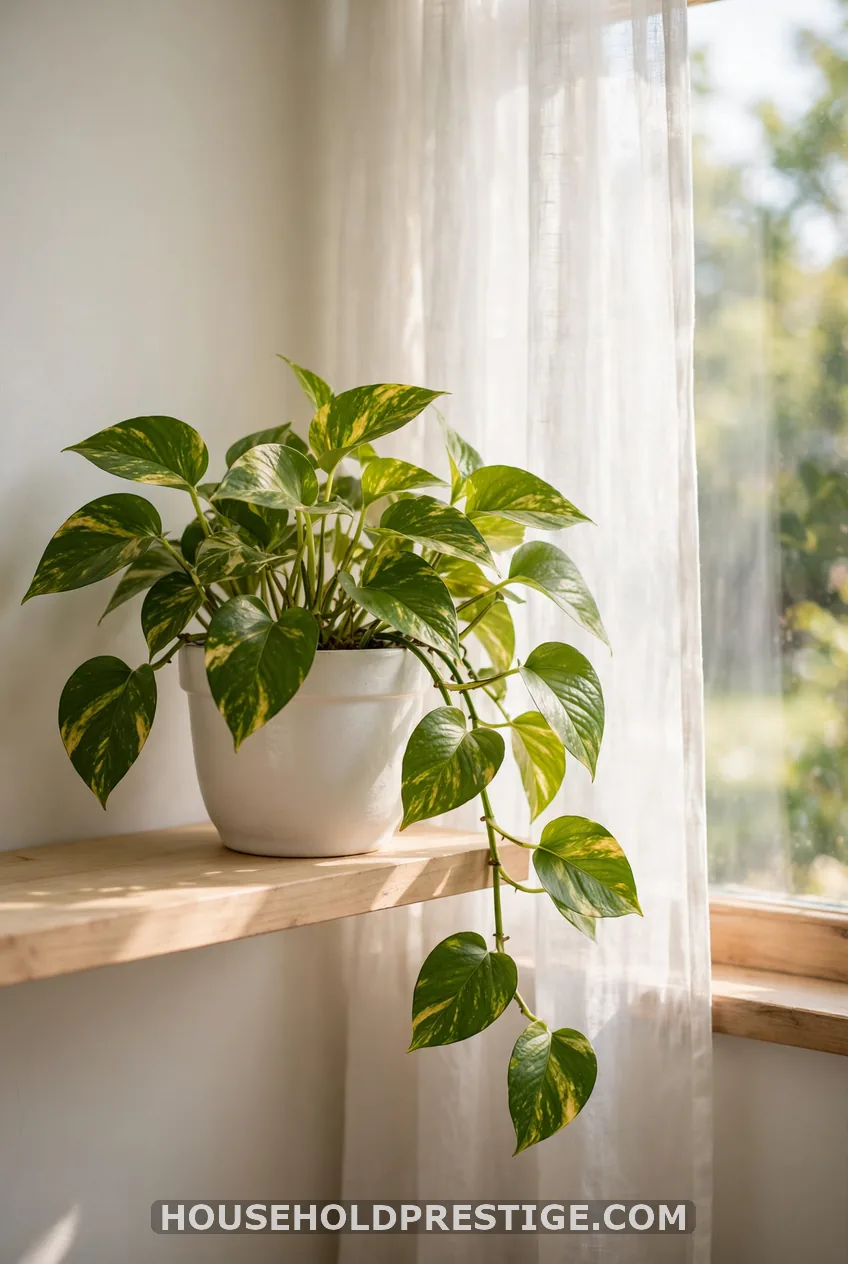
Pothos grows best in bright light that never hits the leaves directly. A spot a few feet back from an east or north window is ideal. Direct afternoon sun scorches leaves into pale, crispy patches.
Pothos tolerates low light, but growth slows and the vines stretch out with big gaps between leaves. Variegated types like marble queen, neon and njoy need more light than solid green ones. In dim rooms, marble queen loses its white splashes and turns greener.
Turn the pot a quarter turn each time you water. The vines grow toward the light, and this keeps the plant even.
2. Water Only When the Top Inch Is Dry
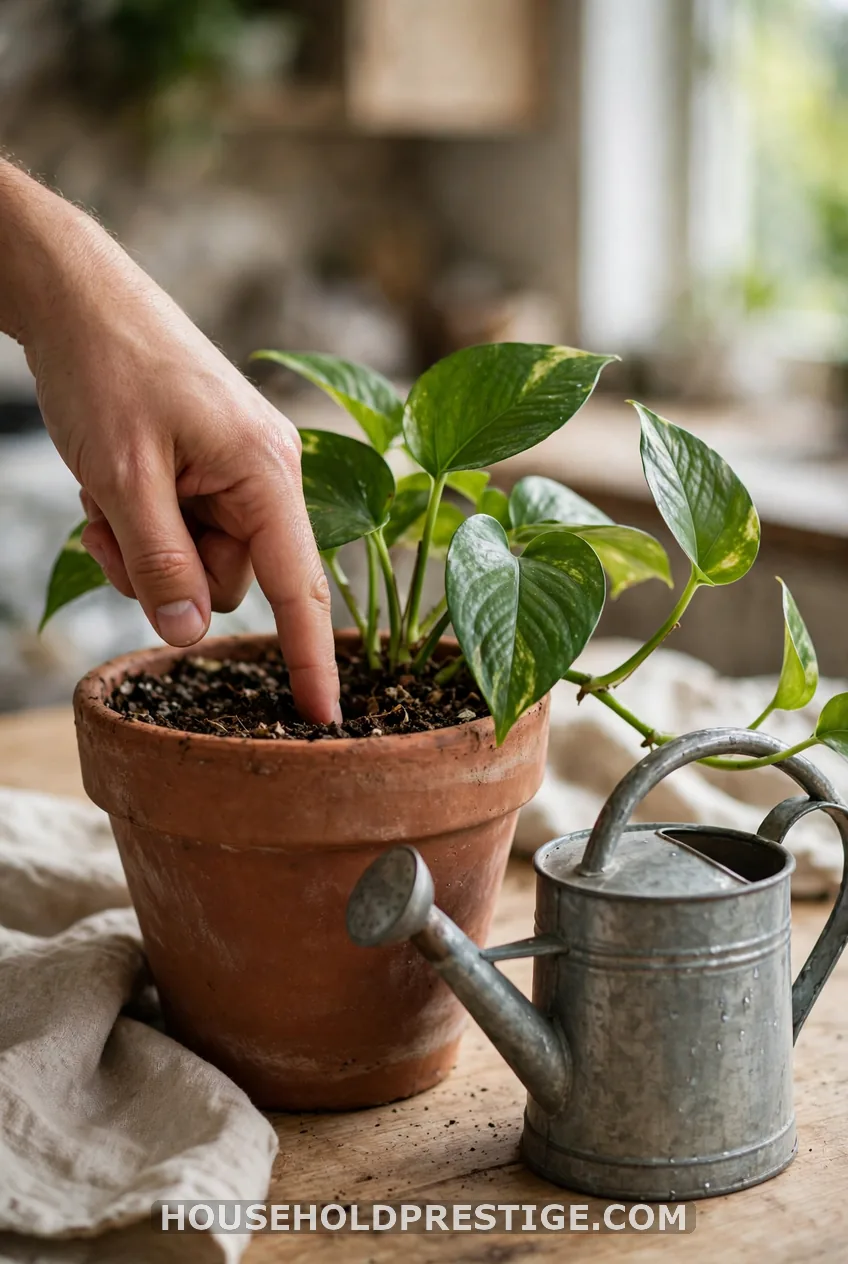
Push your finger into the soil up to the first knuckle. Dry? Water.
Damp? Wait a few days.
Water slowly until it runs out of the drainage holes. Then empty the saucer so the roots never sit in a puddle. A moisture meter is a handy $10 backup if you don’t trust your finger.
In summer that may mean weekly. In winter, expect every two to three weeks. Overwatering is the top killer, and yellow leaves are its first warning.
3. Use a Loose, Well-Draining Mix
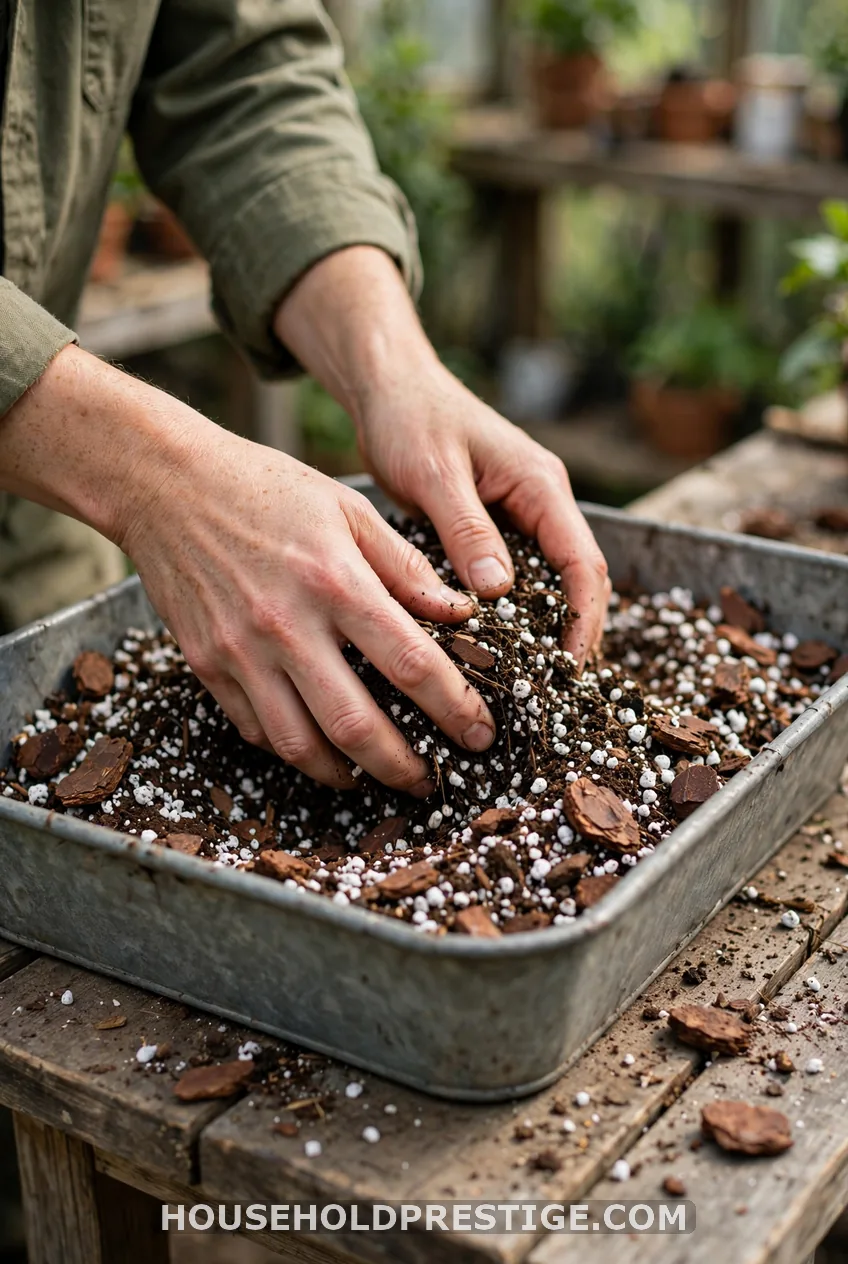
Pothos hates soggy roots. Regular potting mix alone holds too much water for many homes.
The mix I use
Mix these in a bucket:
- 3 parts all-purpose potting soil
- 1 part perlite
- 1 part orchid bark (coco coir works too)
Pot and repotting steps
- Pick a pot with drainage holes, only 1-2 inches wider than the root ball.
- Slide the plant out and loosen the outer roots with your fingers.
- Add 1-2 inches of mix to the bottom, set the plant in, and fill around the sides.
- Water well and let it drain fully.
- Put it back in its spot. Expect a day or two of droop.
Repot every one to two years, or when roots poke out the bottom or circle the surface. The mistake to avoid is a huge pot. Extra soil stays wet for too long and rots the roots. Decorative pots without holes should only hold the plain plastic nursery pot inside.
4. Keep It Warm and a Bit Humid
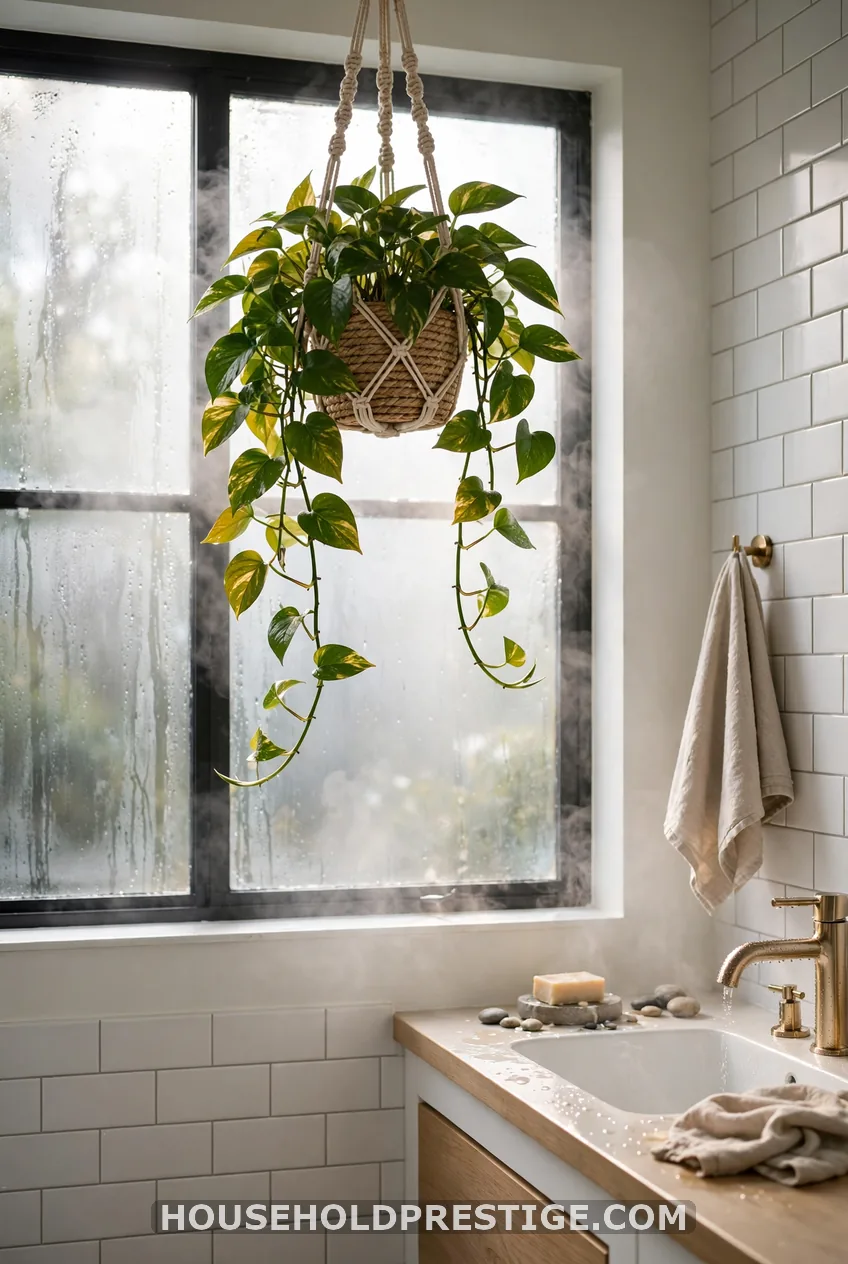
Pothos likes 65-80°F (18-27°C). Keep it away from cold drafts and heating vents, which dry the leaf edges brown.
It enjoys humidity, so bathrooms and kitchens with a window suit it well. Elsewhere, a pebble tray or small humidifier helps. It also copes fine with average home air.
5. Feed It in Spring and Summer
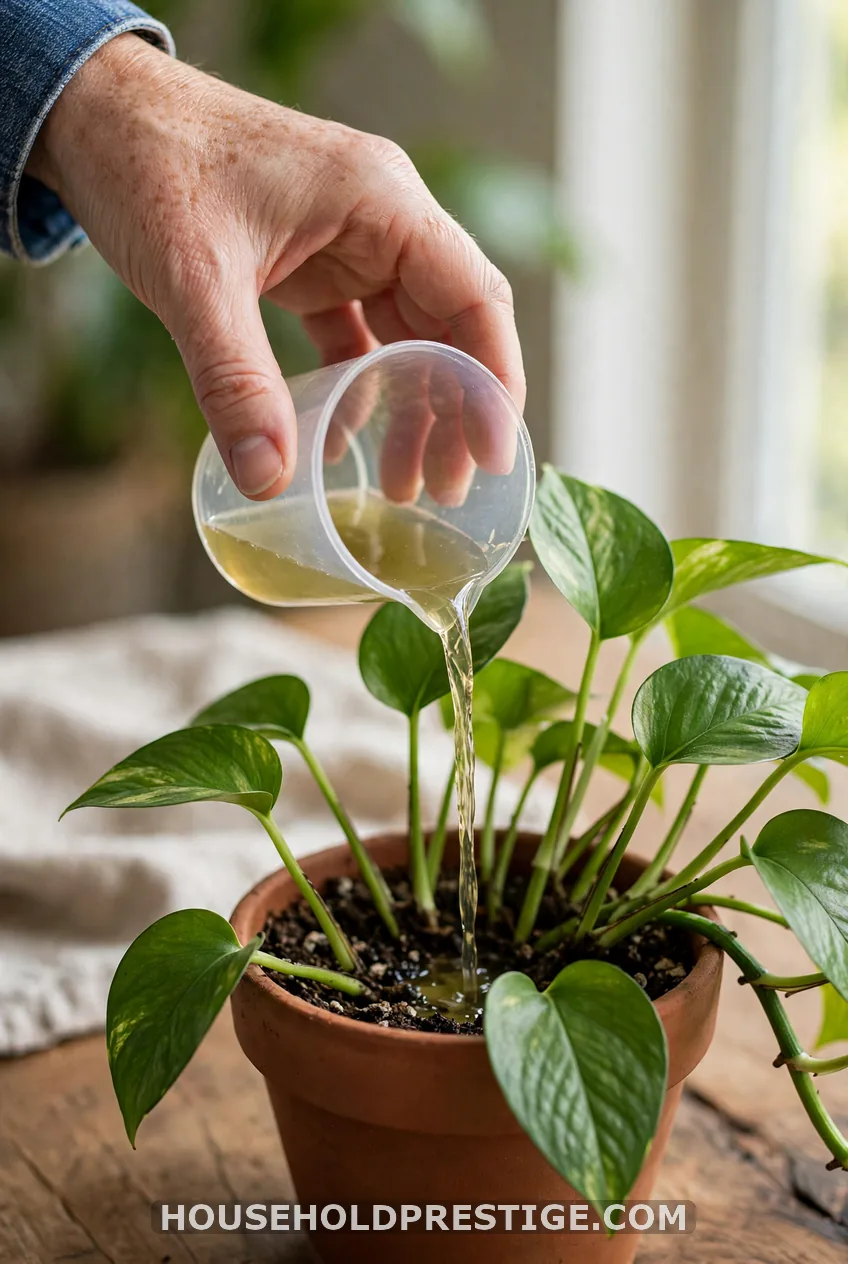
Use a balanced liquid houseplant fertilizer at half the strength on the label. Feed once a month from spring through summer.
Skip winter. The plant rests then, and extra food just builds up as salt in the soil. Water the plant first, then feed, so the roots don’t take a harsh dose on dry soil.
6. Prune Leggy Vines and Root the Cuttings
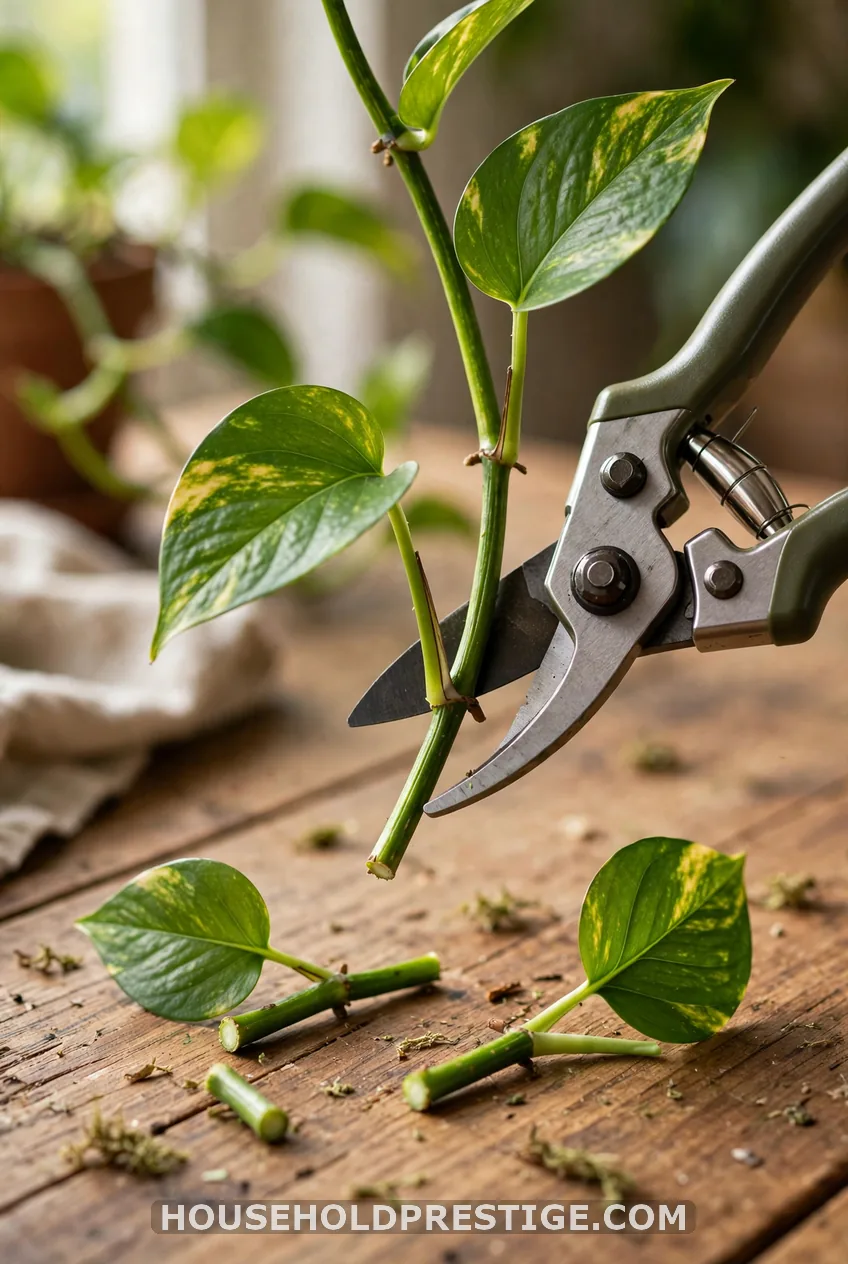
Cut right above a leaf. Wipe the blades with rubbing alcohol first. New growth branches out from that spot, so one cut often makes two vines.
Take cuttings 4-6 inches long, each with at least one node. That’s the small brown bump where a root grows. Strip the bottom leaf and set the stem in a jar of water.
Change the water weekly. When roots reach 2-3 inches, pot them up. Tuck several cuttings into the base of the mother plant for a fuller look.
Want a taller plant? Train vines up a moss pole. Climbing vines grow larger leaves.
7. Wipe the Leaves
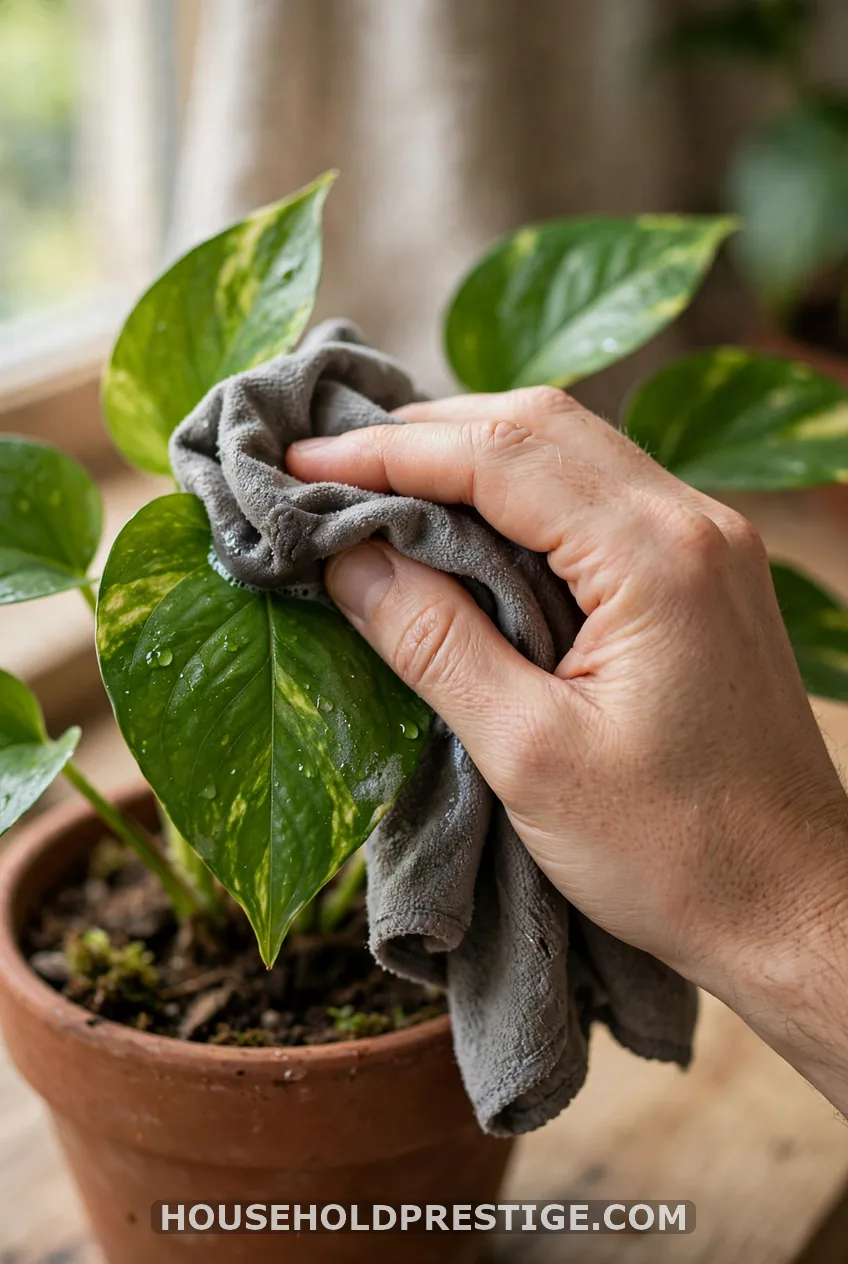
Dust blocks light. Once a month, support each leaf in your palm and wipe with a damp cloth. While you’re there, check the undersides for pests.
8. Watch for Pests and Keep Pets Away
Look for spider mites (fine webbing), mealybugs (white cottony dots) and scale (brown bumps). Move the sick plant away from others. Wipe off what you see, then spray with insecticidal soap or neem oil every 7 days until the pests are gone.
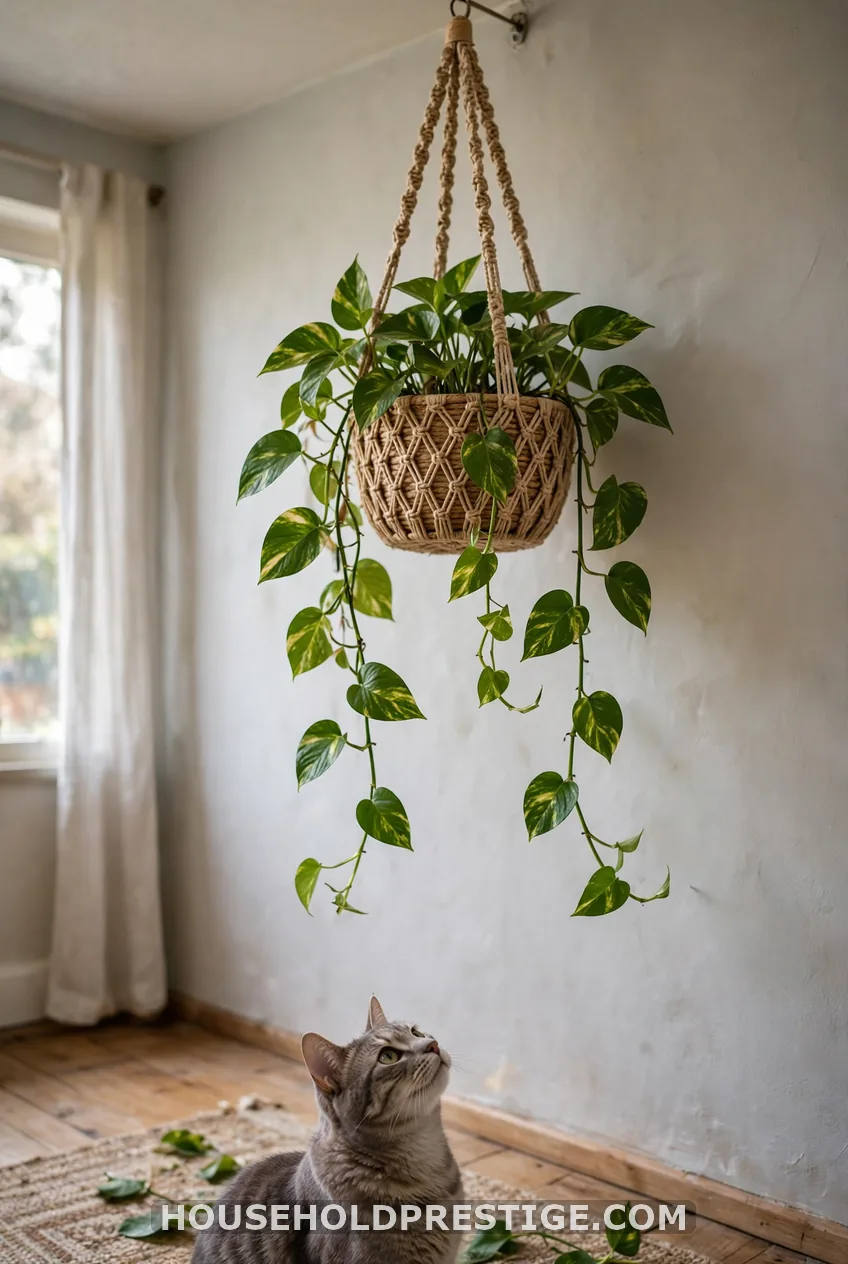
Pothos contains calcium oxalates and is toxic to cats, dogs and people if chewed. Signs include drooling, vomiting and mouth irritation. Hang it high or use a shelf pets can’t reach.
Quick fix chart
- Yellow leaves: too much water. Let the soil dry and check drainage.
- Brown crispy edges: dry air or a draft. Move it and water more evenly.
- Brown or pale patches: sun scorch. Move back from the window.
- Long bare stems: too little light. Prune and brighten.
- No new growth: low light, no feeding or rootbound. Check all three.
What I’m Doing Next
This weekend I’m moving my pothos two feet back from the window and testing the soil before I pick up the watering can. Then I’ll prune the longest vines and root the cuttings in a jar. If you do only one thing, check the soil before you water. Everything else can wait until next week.
FAQ
How often should I water my pothos?
Water when the top inch of soil feels dry. That’s about weekly in summer and every 2-3 weeks in winter. Always let the extra water drain out.
Can pothos grow in water?
Yes, pothos can live in water for a long time, though growth is slower than in soil. Change the water weekly and add a drop of diluted fertilizer now and then.
Why is my pothos not growing?
Low light is the most common reason. Also check if it has been fed in spring and summer, and whether roots are packed in the pot. Move it to brighter light and repot if needed.
How do I make my pothos fuller?
Prune leggy vines above a node so they branch, and give the plant bright, indirect light. You can also root several cuttings and plant them back in the same pot.