

You know that feeling when you’ve been doing something the hard way for years, and then someone shows you the shortcut, and you just stand there thinking why didn’t anyone tell me this sooner? That’s exactly what this collection of amazing life hacks is going to do to you. Every single one of them is aimed at making your home run smoother — kitchen, bathroom, laundry, floors, walls, you name it. Read through to the end, because the ones near the bottom are honestly the ones I use the most.
🏠 Kitchen Hacks That Actually Save You Time
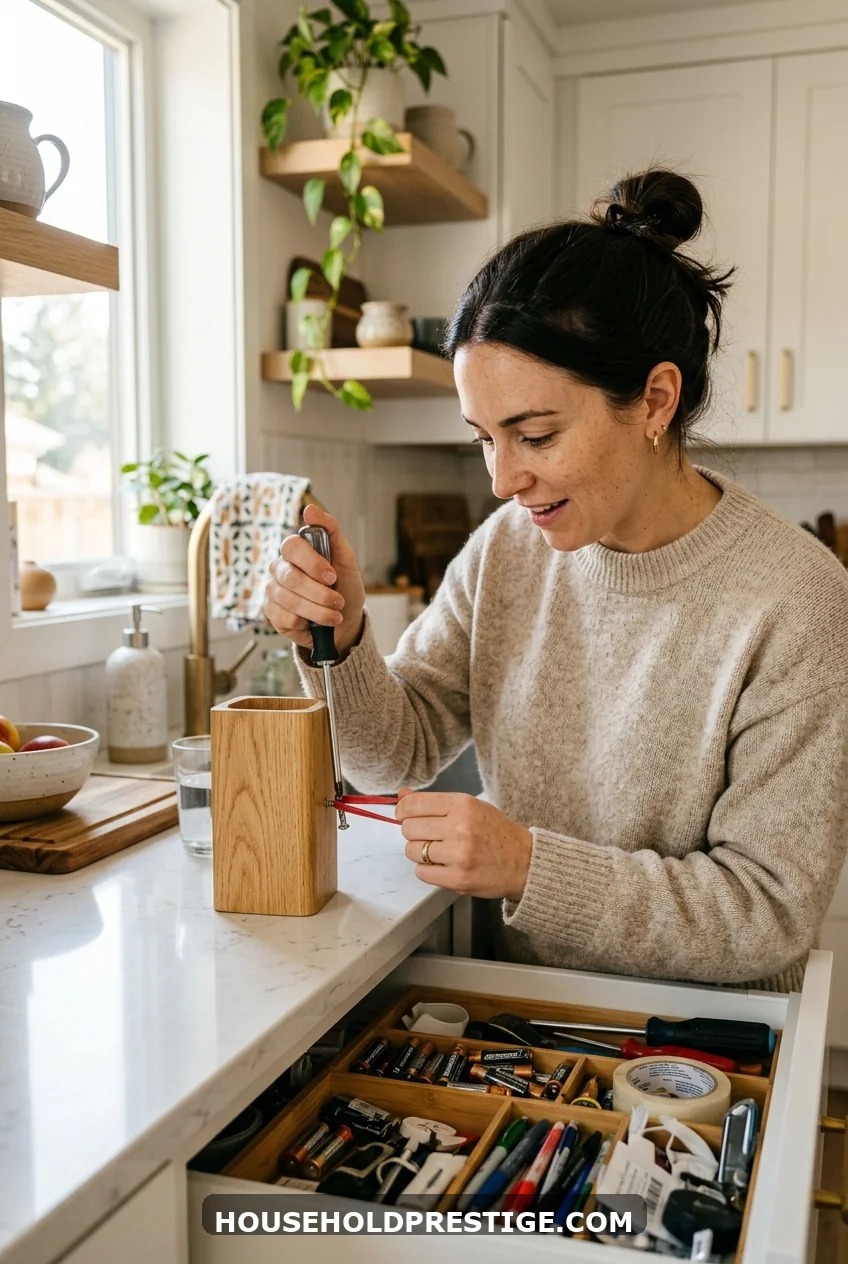
1. Spaghetti: Your New Candle Lighter
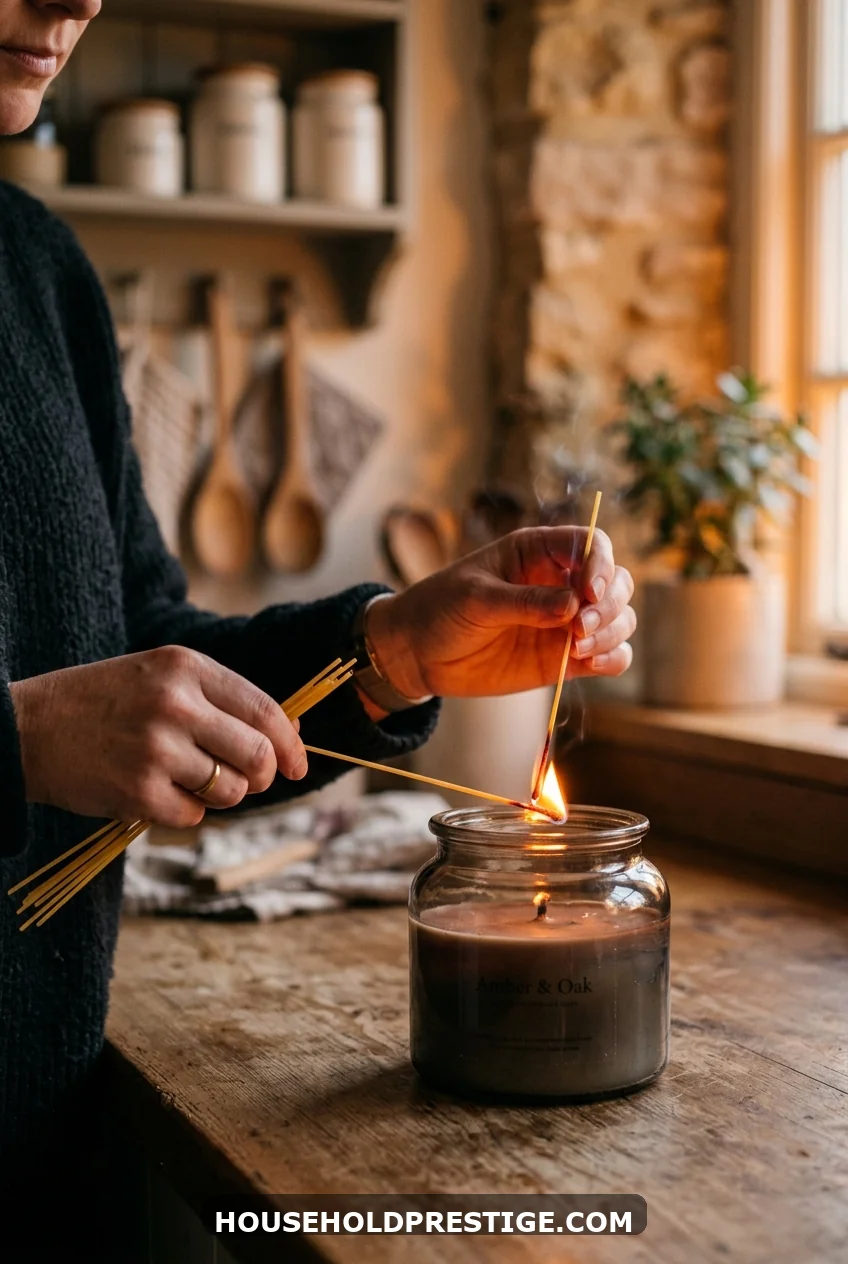
Tuck a piece of uncooked spaghetti into your drawer, right next to the matches. When a candle burns low, and your fingers can’t reach the wick without getting scorched, light the spaghetti end instead. It burns for about 15 seconds — plenty of time to reach down into those deep jar candles. Free. Instant. Works every time.
2. Boil Away Burnt Pot Grime in 10 Minutes
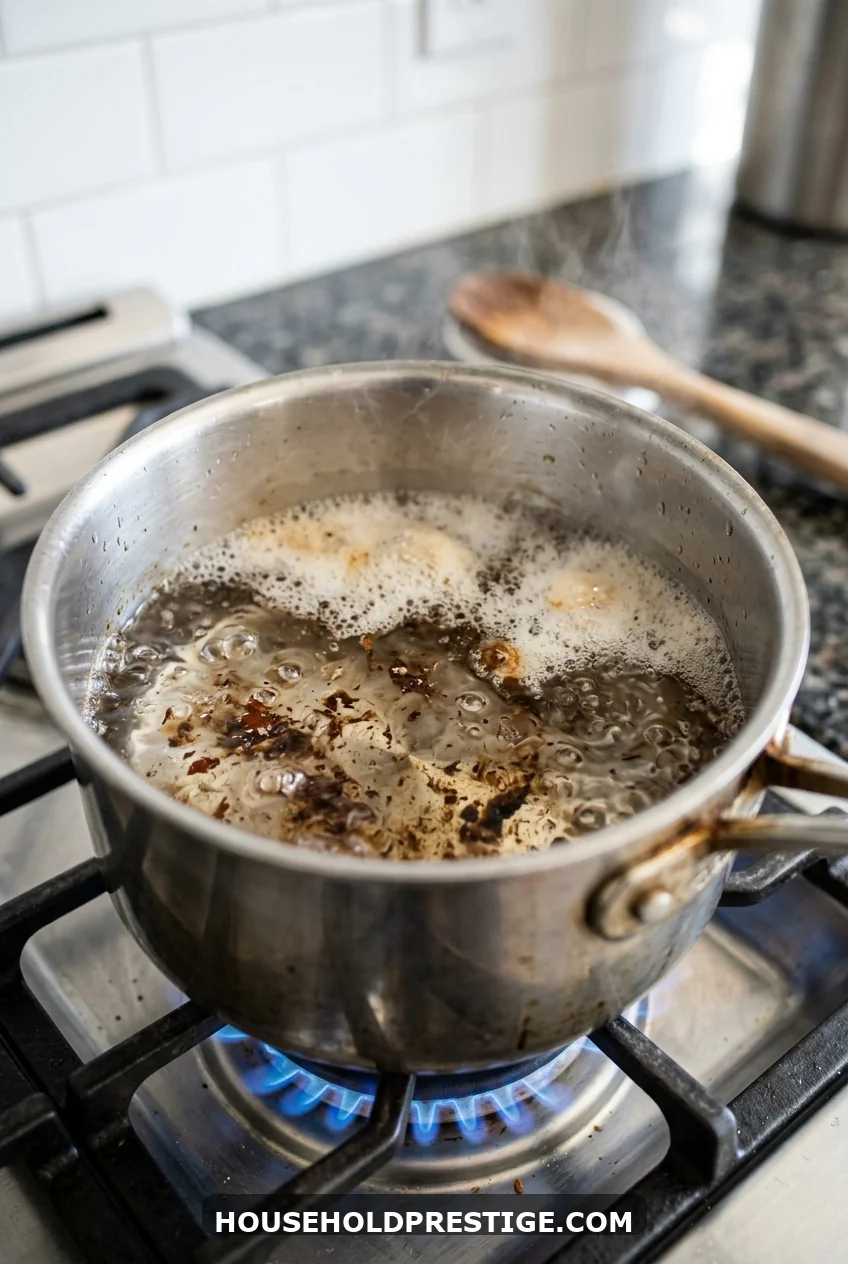
You already own everything you need. Fill the burnt pot with water, add a generous squirt of dish soap, and bring it to a gentle boil for 10 minutes. The water and heat do the loosening. Turn off the heat, let it cool enough to handle, and most of that scorched crust will lift with a wooden spoon or a quick scrub. No overnight soaking, no elbow grease death match.
This works on stainless steel, ceramic-coated, and enameled cast iron. For really bad burns, add two tablespoons of baking soda to the water before boiling — the mild alkali helps break down the carbon deposits faster.
What it won’t fix: seasoning damage on uncoated cast iron. For that, you’re back to reseasoning with a thin coat of flaxseed oil ($6 at any grocery store) at 450°F for an hour.
3. Rubber Band on a Stripped Screw
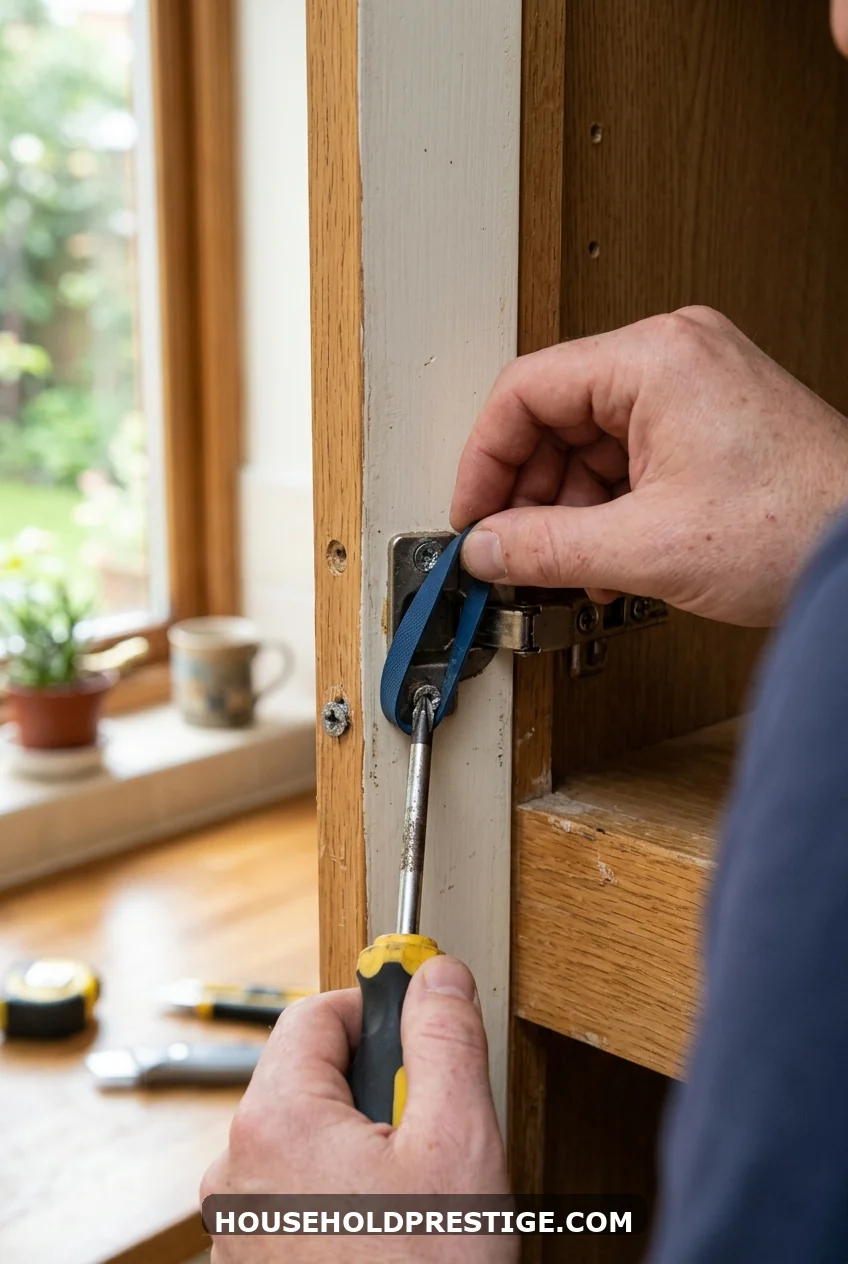
Put a rubber band flat over the stripped screw head before you press the screwdriver in. The rubber fills the damaged grooves and gives the driver something to grip. Turn slowly with firm downward pressure. That screw that’s been mocking you for months? Out in under 30 seconds.
4. Lemon Juice to Fade Highlighter Marks
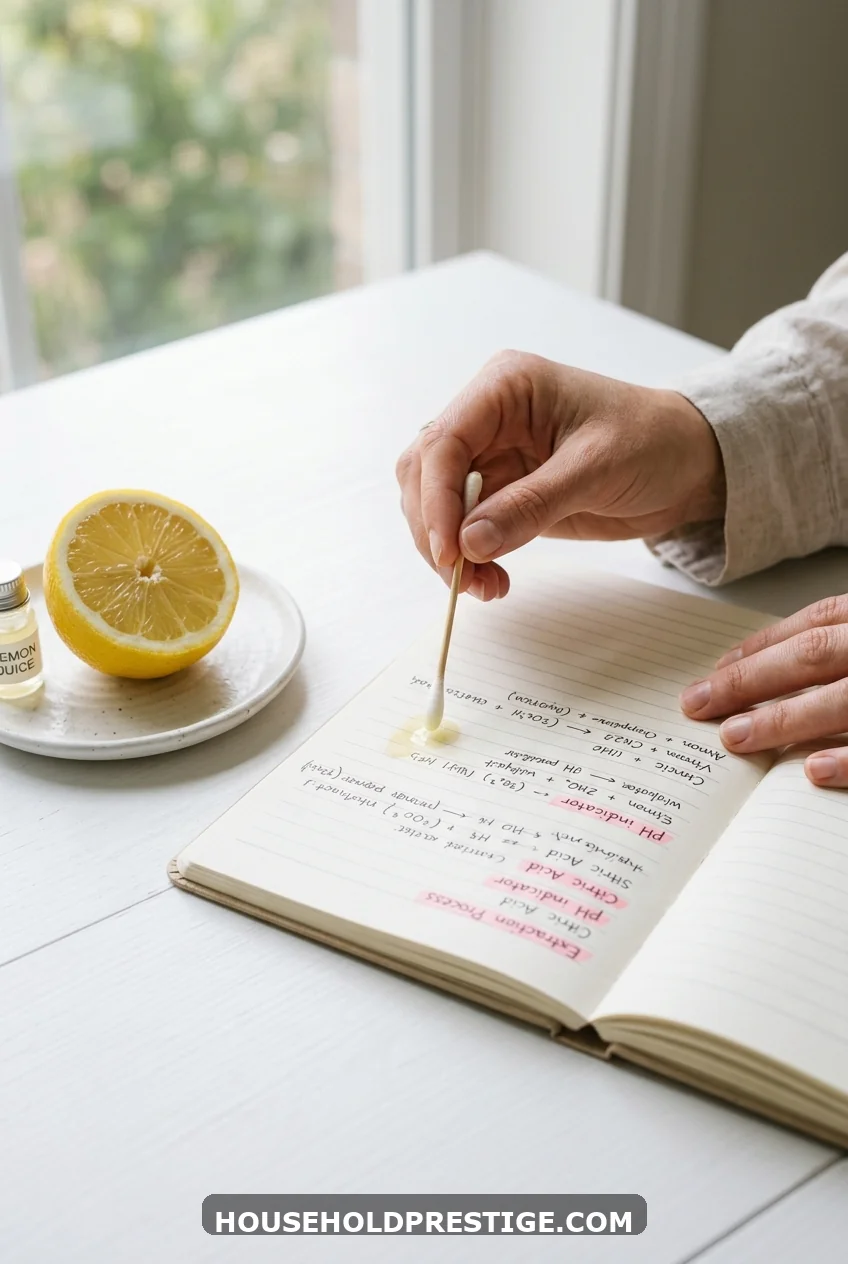
Got a recipe book, instruction manual, or any paper document with a highlighter you want gone? Cut a lemon in half, squeeze juice onto a cotton swab, and run it over the highlighted section. The citric acid bleaches the fluorescent dye without destroying the ink underneath. Give it 30 seconds to work, then blot dry. It won’t vanish completely, but it fades enough to make the text readable again and the mark nearly invisible.
5. Salt and Lemon for Cutting Board Odors
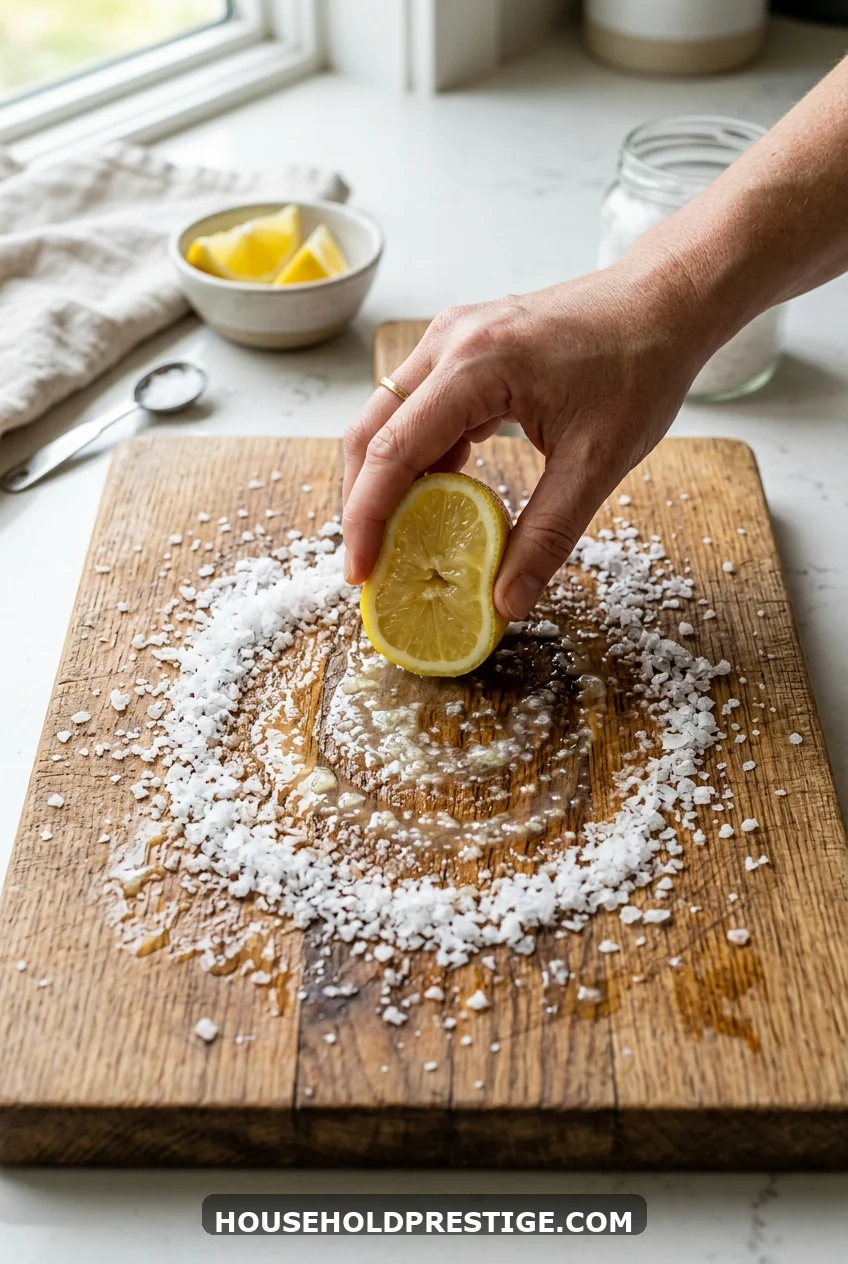
Wooden cutting boards absorb everything — onion, garlic, fish, old mystery smells. Sprinkle a tablespoon of coarse salt across the surface and rub with a halved lemon, cut-side down. Work in circles for 60 seconds. The salt acts as a mild abrasive while the lemon juice cuts through the organic residue causing the odor. Rinse with warm water and dry immediately (always dry wood boards flat, never on their side). Repeat monthly to keep boards smelling clean without harsh bleach.
🚿 Bathroom and Cleaning Hacks
6. Dryer Sheets Are Secret Soap Scum Assassins
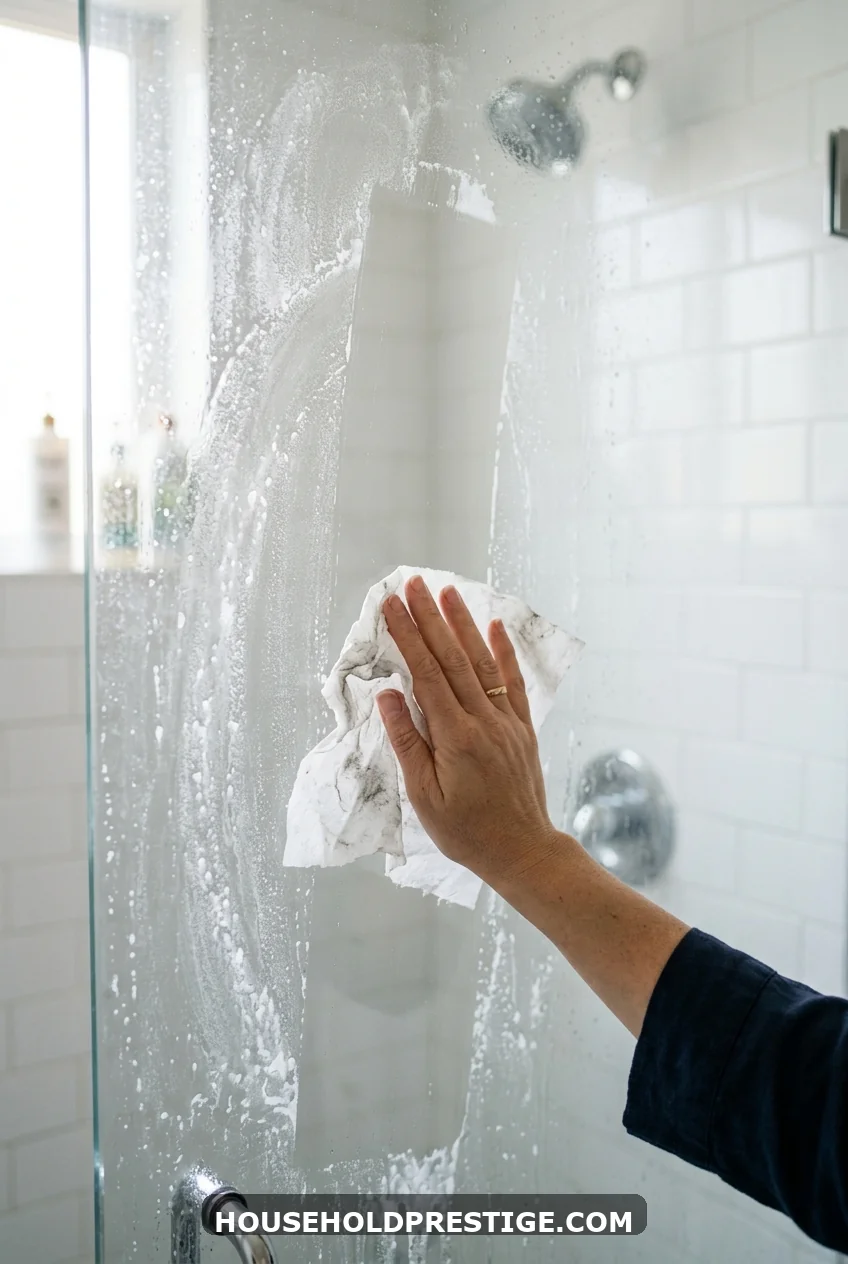
Wet a used dryer sheet and rub it across soap scum on glass shower doors or chrome fixtures. Done. No spraying, no scrubbing, no waiting. The anti-static agents and fabric softeners in the sheet cut through scum faster than most bathroom sprays. A single used sheet from your dryer basket costs nothing and takes 90 seconds. Rinse the surface after and you’ll see the difference immediately.
7. The 30-Minute Bathroom Deep Reset (The One That Actually Stays Clean)
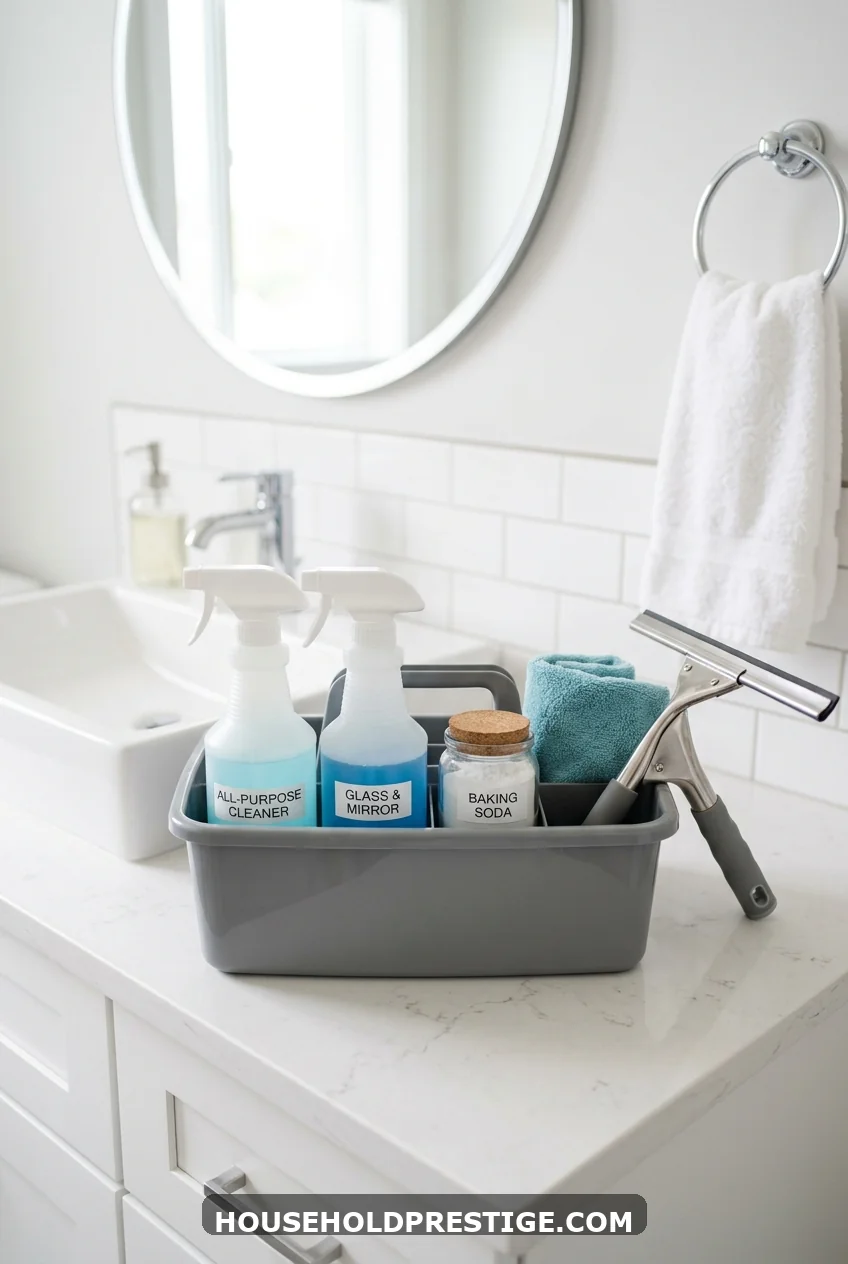
Most bathroom cleaning routines fail because they’re either too exhaustive to maintain or too shallow to actually work. This approach takes 30 minutes the first time and about 12 minutes on maintenance days. Here’s how it actually works.
What You’ll Need
- White vinegar in a spray bottle (~$3/gallon, dilute 1:1 with water)
- Baking soda (keep in a labeled jar in the bathroom, $2 for a box)
- Dish soap (1 teaspoon per spray bottle fills)
- Microfiber cloths x 3 (not paper towels — they streak)
- A squeegee ($6 at IKEA or any hardware store)
- Old toothbrush for grout
Step-by-Step
Step 1 — Spray everything first (2 minutes). Before you touch anything, spray every surface: toilet seat and rim, outside of toilet tank and bowl, sink basin, faucet handles, countertop, and mirror. Use your vinegar-dish soap solution. Let it sit while you work through the rest of the steps. This dwell time is the actual cleaning — most people skip it and wonder why they’re scrubbing so hard.
Step 2 — Tackle the toilet (5 minutes). Sprinkle baking soda inside the bowl. Let it fizz with the vinegar spray that settled inside from splashback. Scrub with the toilet brush using circular strokes under the rim where grime hides. Flush. Wipe the tank, seat, rim, and base with a microfiber cloth in that order — top to bottom, clean surface to dirtiest. Never reuse the cloth on the bowl exterior after you’ve touched the toilet base.
Step 3 — Sink and faucet (4 minutes). Your dish soap-vinegar spray has been sitting on the sink for several minutes. Wipe in circular motions toward the drain. For the faucet base where buildup collects, use the old toothbrush. Calcium deposits around faucet bases respond to undiluted white vinegar — let it sit 5 minutes and scrub. Rinse well; vinegar can damage chrome finishes if left long-term.
Step 4 — Mirror (2 minutes). Spray lightly and wipe with a dry microfiber cloth in an S-pattern, not circles. Circles spread the moisture and create new streaks. One wipe, one direction, done.
Step 5 — Shower walls and doors (8 minutes). Spray with vinegar solution, wait 3 minutes. For grout lines with mildew, make a paste: 3 parts baking soda to 1 part dish soap. Apply with the toothbrush, scrub in small circles, let sit 2 minutes, rinse. Squeegee all glass surfaces top to bottom after every shower going forward — it’s the single most effective way to prevent buildup from ever forming again. Six seconds per shower. Completely changes your maintenance schedule.
Step 6 — Floor (4 minutes). Spray, wait 2 minutes, wipe with a damp microfiber mop or cloth. Behind the toilet base is where grime accumulates worst — go there first.
Common Mistakes to Avoid
- Mixing bleach and vinegar. These produce chlorine gas. Never combine them, even in small amounts.
- Using paper towels on mirrors. Paper towels always streak. Switch to microfiber.
- Forgetting the showerhead. Fill a plastic bag with undiluted white vinegar, rubber-band it around the showerhead overnight, remove in the morning. Mineral deposits dissolve completely.
- Cleaning the toilet bowl with the same cloth as the countertop. Obvious but frequently done in a rush.
Why This Works Better Than Commercial Cleaners
Vinegar is a 5% acetic acid solution. It kills most common household bacteria, dissolves mineral deposits, and cuts through soap residue. Combined with the surfactant action of dish soap, it outperforms many $8 bathroom sprays for routine cleaning. For genuine disinfection (when someone in the house is sick), switch to a hydrogen peroxide spray (3% solution, $1.50 at any drugstore) — it kills a broader spectrum of pathogens and is safe on most surfaces. Let it sit 10 minutes before wiping.
8. Coffee Filters for Streak-Free Mirrors and Glass
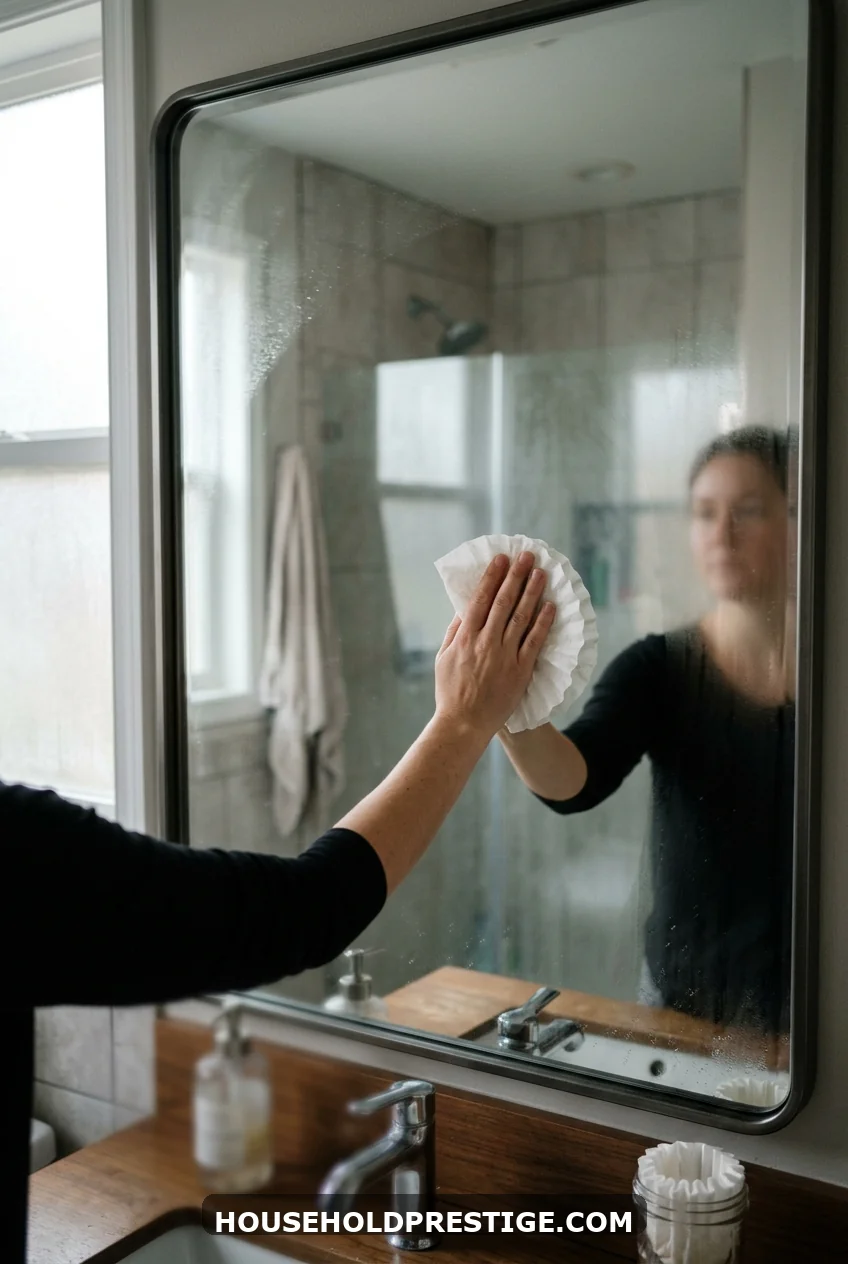
Paper towels leave lint. Regular cloths smear. Coffee filters — the cheap basket kind — leave zero lint and create a perfect streak-free surface on mirrors, windows, and glass shower doors. Use them dry with a light spray of vinegar solution. A box of 200 costs about $3 and lasts months.
9. Hydrogen Peroxide for Three Common Stains
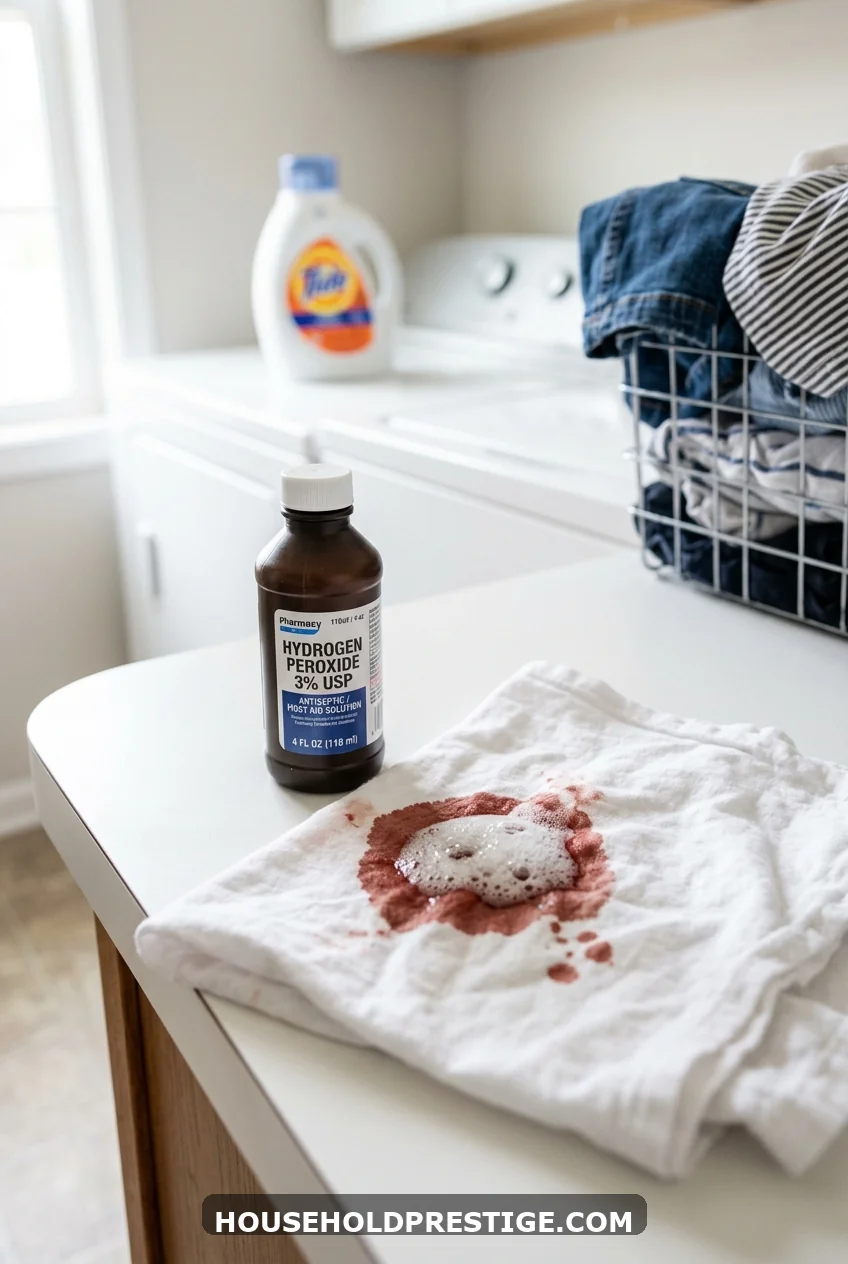
Keep a bottle of 3% hydrogen peroxide ($1.50 at the drugstore) in your laundry room. It handles three stains most products can’t touch:
Blood — Pour directly on the fresh stain, watch it fizz as it lifts the hemoglobin, rinse with cold water. Works within 30 seconds on fresh blood. For set blood, soak for 10 minutes. Never use hot water on blood — it sets the protein.
Armpit yellowing — Mix hydrogen peroxide with dish soap (2:1 ratio), work into the stain, leave 30 minutes, wash normally. The oxidizing action bleaches the yellowing without damaging cotton.
Mildew spots on grout — Apply straight to the stain, let sit 10 minutes, scrub. Safe for tile, not for natural stone (marble, travertine).
🛋️ Organization and Home Hacks

10. Ice Cubes for Carpet Furniture Dents
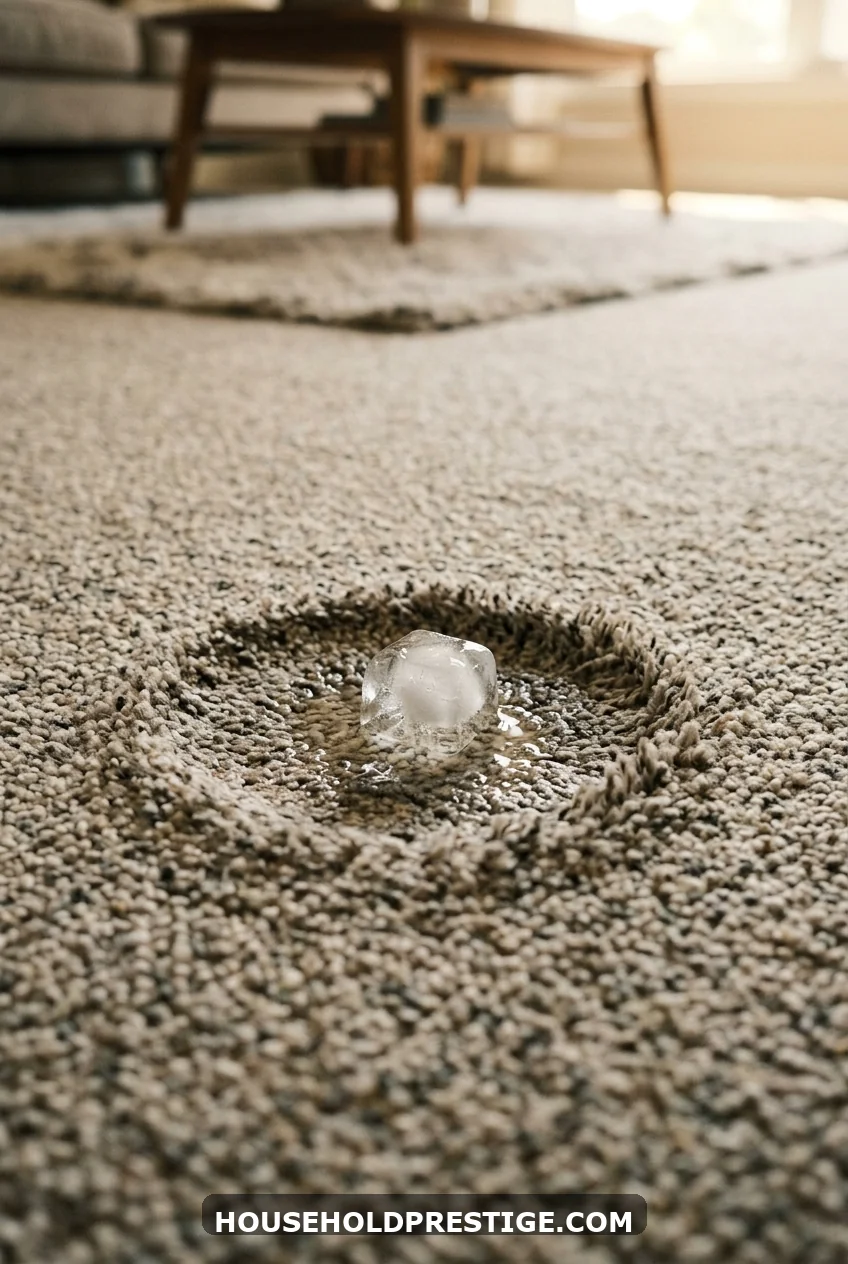
Put an ice cube in the dent and leave it overnight. As it melts, the carpet fibers absorb the moisture and swell back up. In the morning, blot the wet spot, then use a fork (seriously) to gently lift and fluff the fibers upright. The dent that’s been there since you moved that couch two years ago — gone.
11. Pool Noodles as Garage Door Scratch Protection
Slice a pool noodle in half lengthwise with a box cutter. Mount it on the garage wall at door-edge height using construction adhesive or double-sided foam tape. When you open your car door in a tight garage, it hits the foam instead of scratching the paint. A $3 pool noodle protects a $30,000 car finish.
For the extra step that makes it permanent:
After the adhesive dries (give it 24 hours), run a bead of clear caulk along the top and bottom edge of the noodle. It holds even after temperature swings through summer and winter without peeling. Total time: 15 minutes. Total cost: under $5.
12. Bread Bag Clips as Cable Labels
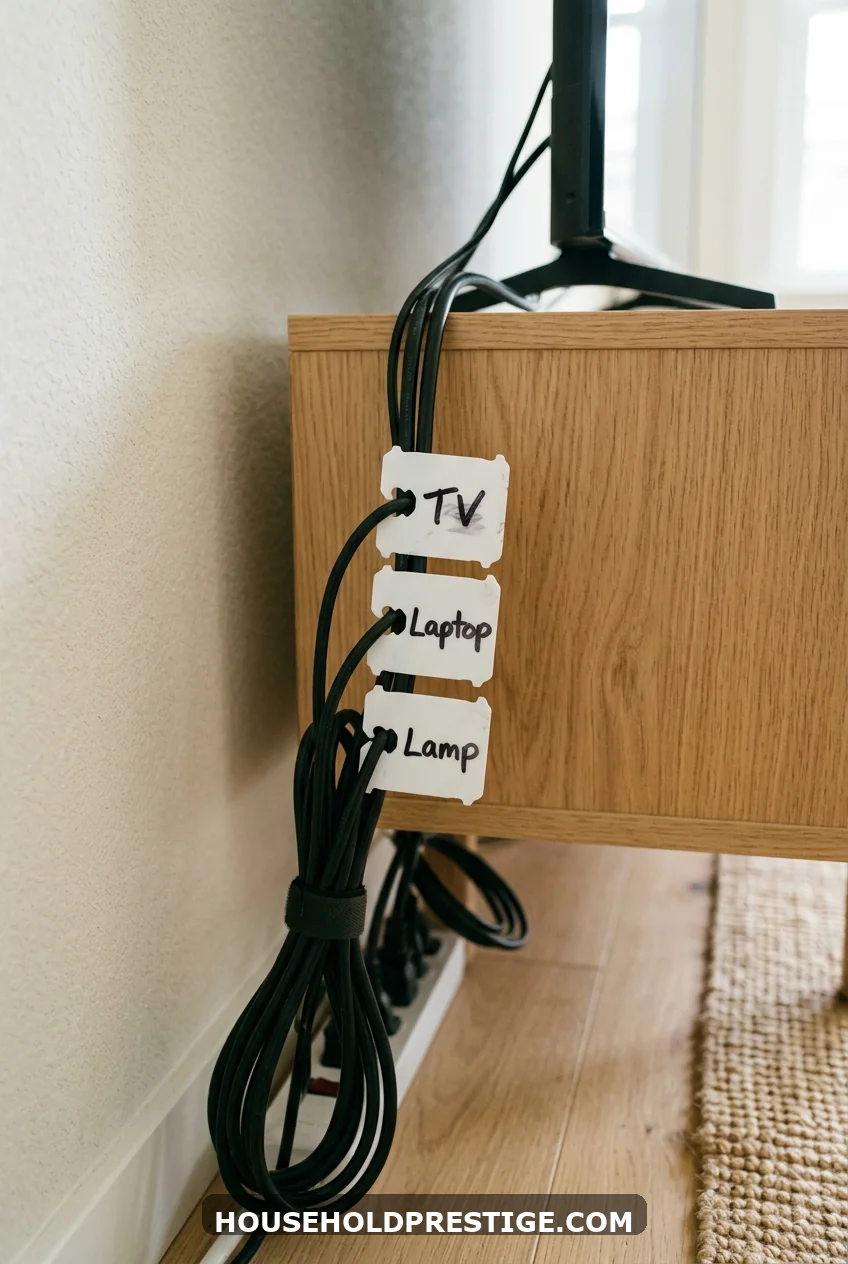
Save the plastic clips from bread bags. Write the device name on each clip with a marker and clip them onto your power cords where they meet the power strip. No more tracing which black cord belongs to what. Free. Takes three minutes. One of those hacks that’s so obvious you’re annoyed nobody told you earlier.
13. The Dryer Lint Firestarter Myth (and What Actually Works Better)
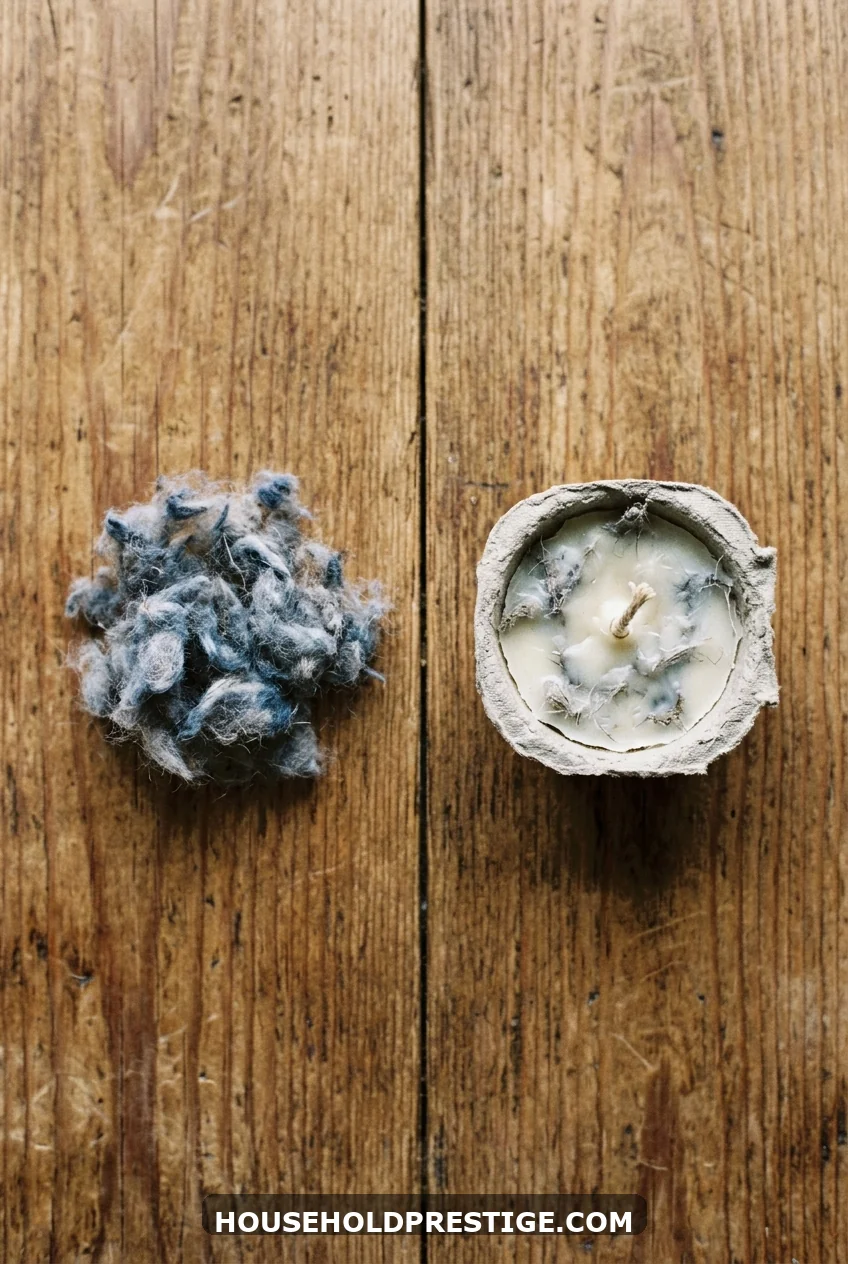
You’ve probably seen the tip: save dryer lint and use it as a campfire starter. It works — sort of. Plain lint catches quickly but burns out almost immediately, giving you maybe 8 seconds of flame. Not enough.
What actually works: Melt old candle wax and pour it into cardboard egg carton cups, pressing dryer lint into each cup while the wax is still liquid. Let them harden completely. Each wax-lint cube burns for 8 to 12 minutes of sustained flame — enough to catch kindling reliably even in damp conditions. A dozen firestarters costs nothing beyond materials you’d otherwise throw away.
This is also how many preppers build emergency supply kits. The egg carton sections keep them separated for storage, and the wax makes them water-resistant. Store in a zip-lock bag and they stay dry for years. Compare that to commercial fire starters at $6 for 12 sticks — your version costs zero dollars and burns longer per unit.
14. Hair Dryer for Removing Stickers and Adhesive Labels
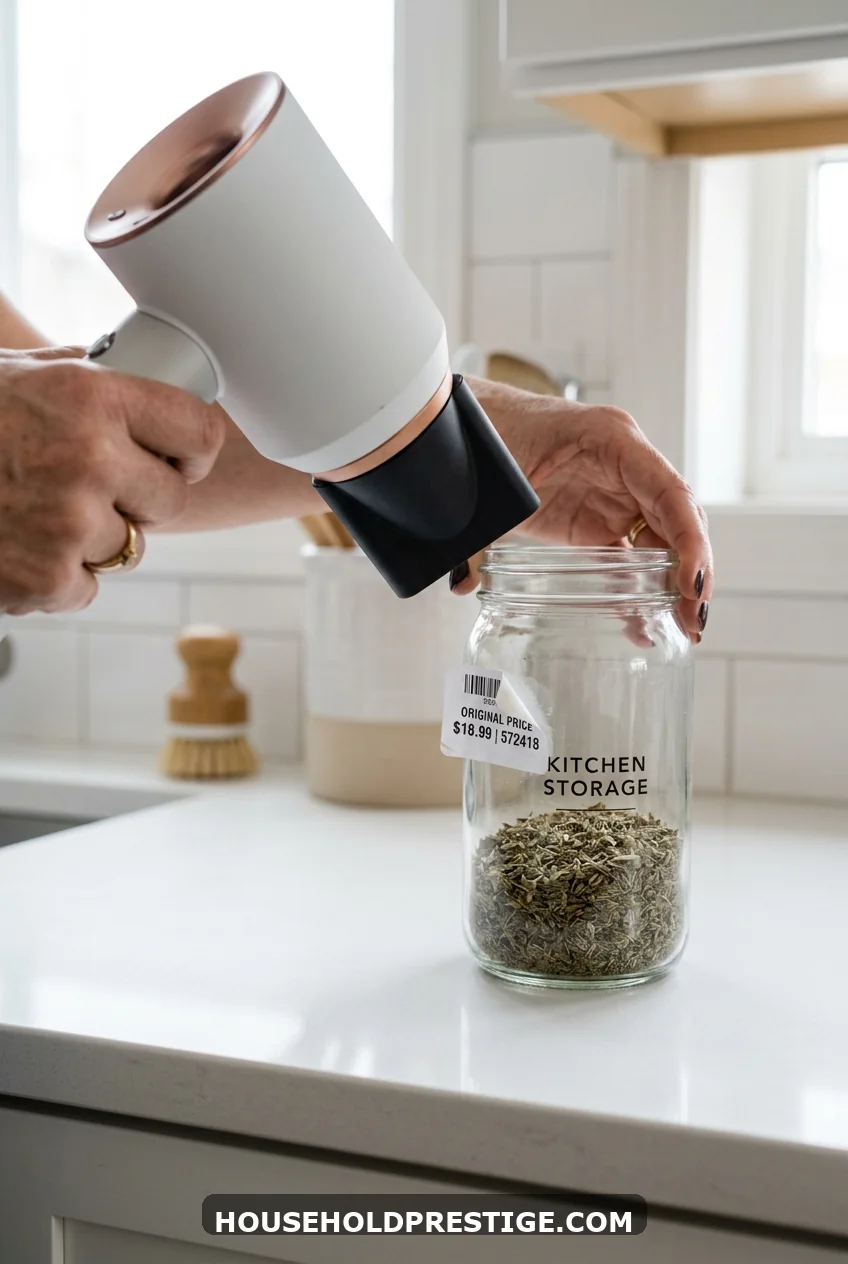
Heat the sticker with a hair dryer on medium for 30 seconds. The adhesive softens and the sticker peels off cleanly — no white residue, no scratching. Works on jars, appliances, bumper stickers on cars, and those infuriating price tags stuck to picture frames. For any leftover adhesive, rub with a bit of cooking oil, let it sit 2 minutes, then wipe clean.
15. Nail Polish for Color-Coded Keys

Paint the head of each key a different color with nail polish. Front door is red. Back door is blue. Parents’ house is green. Takes one minute per key and lasts for years. You’ll never squint at which key is which in dim light again.
🧺 Laundry and Fabric Hacks
16. Toothpaste Fills Small Nail Holes in Walls
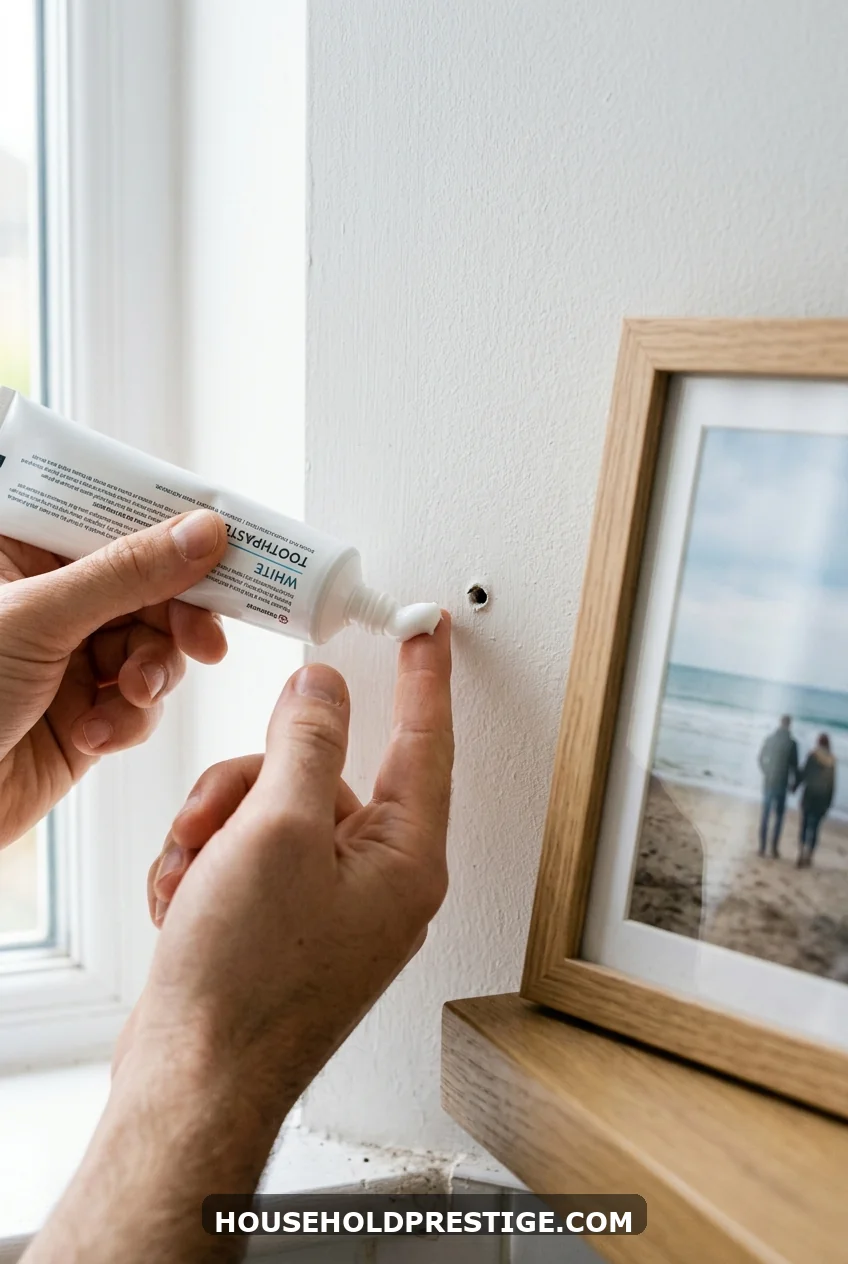
Moving out? Rented your space? Small nail holes in white or off-white walls disappear with white toothpaste. Press it into the hole with your fingertip, wipe flush with the wall surface, let dry for an hour. It sands smooth and accepts paint. Not for large holes, and color-match matters — this works for white walls only. For colored walls, use a dab of matching paint mixed with a tiny bit of plaster compound.
17. The Weird Trick to Keep Bath Towels Fluffy

Towels go flat and scratchy because detergent buildup clogs the fibers, and over-drying or over-loading compresses them. Two fixes:
First, every three or four washes, run towels through the machine with half a cup of white vinegar instead of detergent (hot water cycle). The vinegar dissolves buildup and resets the fiber structure. Your towels will smell completely neutral after drying — the vinegar scent evaporates fully.
Second, toss two clean tennis balls into the dryer with every towel load. They physically beat the fibers back open as they tumble, which is what professional laundry services do with commercial dryers. Add three drops of lavender essential oil to the tennis balls before adding the towels for soft, fresh-scented results. This costs nothing beyond the two balls ($3 at a dollar store).
18. WD-40 Has 9 Jobs Around Your House You Never Knew About
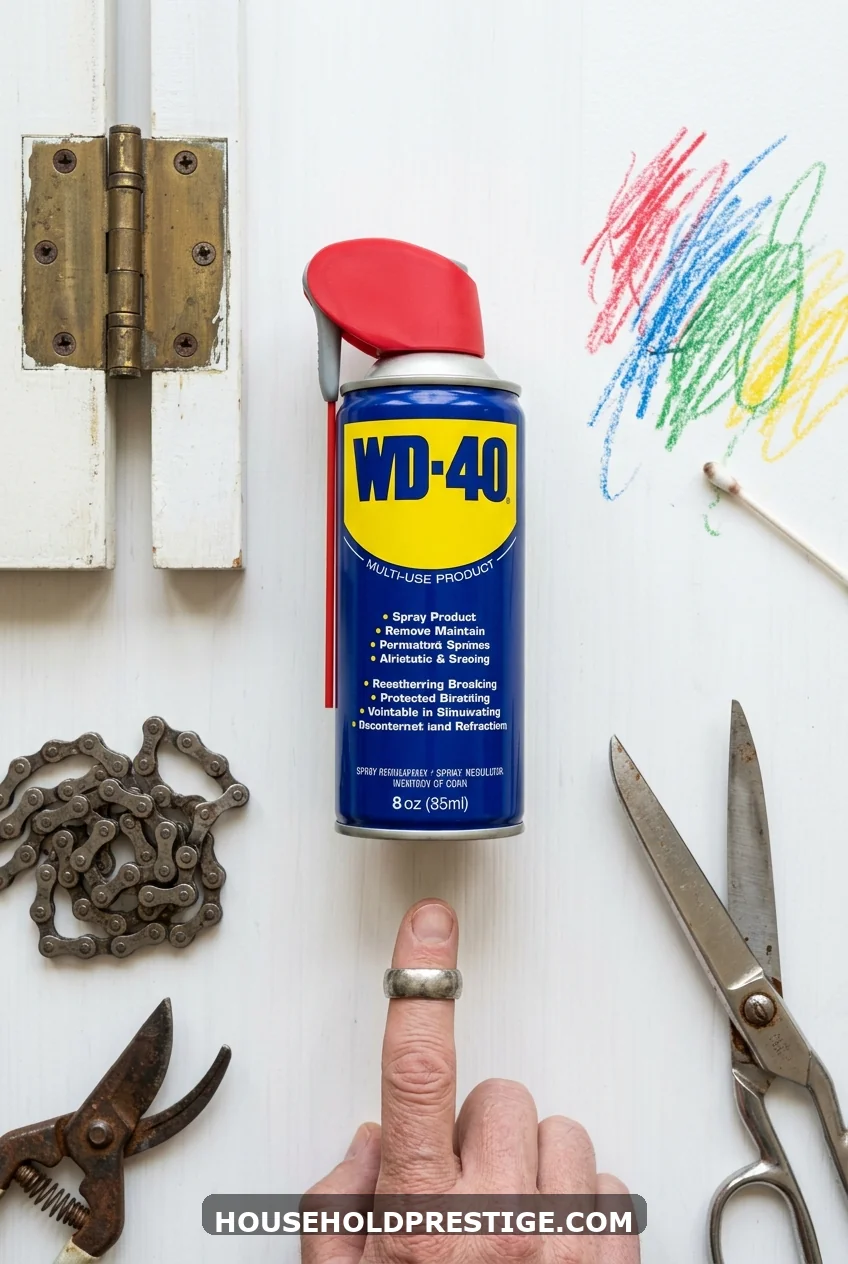
Most people know WD-40 loosens stuck things. Fewer know what else it does:
Squeaky door hinges — One spray, move the hinge back and forth, silence. Done.
Crayon marks on walls — Spray a small amount on a cloth, rub the crayon mark, wipe clean with soapy water. Gone completely without damaging the wall paint.
Stuck rings — Spray a tiny amount on the finger, rotate the ring while pulling gently upward. Works better than soap when the finger is swollen.
Water stains on stainless steel — Spray on a cloth, buff the stain away, wipe residue off with a dry cloth. Never spray directly on stainless surfaces near food prep areas.
Leather conditioning — Wipe a light coat on dried leather shoes or bags, buff off. Restores suppleness temporarily. Not a substitute for proper leather conditioner but works in emergencies.
Stuck zippers — Run the tip of the nozzle along the zipper teeth, both sides. Works on jacket zippers, luggage zippers, jean zippers that have been stuck for months.
Scuff marks on floors — Rubber scuffs on hard floors wipe off with a WD-40-treated cloth instantly.
Gum in hair or carpet — Spray, let sit 2 minutes, work the gum out with your fingers.
Preventing door locks from freezing in winter — Spray into the lock cylinder in autumn. That’s it. The lubricant prevents moisture from collecting and freezing.
A standard 11 oz can costs about $5–6 and lasts a year of regular household use.
19. Baking Soda and Vinegar Drain Bomb (Better Than Draino for Slow Drains)
Slow bathroom drains are almost always caused by soap scum and hair, not by a hard clog. Chemical drain cleaners like Drano ($8–12 per bottle) work by dissolving organic matter — but they also damage your pipes over time with repeated use, especially older PVC pipes.
Here’s the two-ingredient version that works just as well for slow drains:
- Pull out any visible hair from the drain cover.
- Pour half a cup of baking soda directly into the drain.
- Follow with half a cup of undiluted white vinegar.
- Plug the drain immediately to force the fizzing reaction downward rather than up.
- Wait 20 minutes.
- Flush with the hottest water your tap produces for 60 seconds.
The fizzing reaction is carbonic acid briefly dissolving the soap buildup, while the baking soda’s mild abrasive action scrubs the pipe walls as the water flushes it through.
When this won’t work: Hard clogs from objects, or calcified buildup in old pipes. For those, you need a drain snake ($10 at any hardware store) or a plumber. The baking soda method is for maintenance and mild slowdowns only.
Pro tip: Do this every three weeks in bathrooms that get heavy daily use. Keeps drains running freely permanently.
20. Tennis Ball Parking Indicator — and Why More People Should Use It
Hang a tennis ball from your garage ceiling on a piece of string so it just grazes your windshield when you’ve pulled in to the exact right spot. Every time. No guessing, no scraping the wall, no having to readjust. The string and ball weigh almost nothing and take under 5 minutes to install.
Measure first: park your car in the ideal position, then tie the ball to string attached to a ceiling hook directly above the car’s center, letting it hang down to just touch the glass. Mark the ceiling hook position with painter’s tape while you drill. Done. $3 and you never misjudge your parking again.
Wrapping Up
These amazing life hacks stick with you because they aren’t gimmicks — they work with basic physics, chemistry, and materials you already own. The burnt pot hack costs nothing. The drain bomb uses pantry staples. The bathroom deep reset uses ingredients that add up to under $10 total. Once these become part of your routine, your house gets easier to maintain, not harder.
Pick the three that solve your most persistent problems, try them this week, and let the results do the convincing.
FAQ
What are amazing life hacks that actually work at home? The most reliable ones involve materials you already own: baking soda and vinegar for drains, dish soap and hot water for burnt pots, and white vinegar as a multi-surface cleaner. They work because the chemistry is sound, not because someone needs to sell you a product.
Can you use toothpaste to fill nail holes in walls? Yes, for small holes in white or off-white walls only. White toothpaste presses in cleanly, dries hard within an hour, and can be sanded smooth. It doesn’t work for large holes or colored walls where the color difference will show.
What household items can I clean with WD-40? WD-40 removes crayon from walls, lifts rubber scuff marks from hard floors, loosens stuck zippers and rings, and prevents door locks from freezing in winter. Always wipe off the excess after use — it’s a lubricant, not a surface treatment, and leaves residue if applied directly without buffing off.
How do I get furniture dents out of carpet without special tools? Place a single ice cube directly in the dent and let it melt overnight. The moisture swells the compressed carpet fibers back up. In the morning, blot the area dry and use a fork to lift and fluff the fibers upright. No steam iron, no professional tools needed.
Is baking soda and vinegar safe for pipes? Yes, for most modern pipes. The reaction creates carbonic acid briefly, which dissolves soap scum without the pipe-degrading effects of commercial chemical drain cleaners. Avoid this method if you have very old galvanized steel pipes — and never combine it with bleach or commercial drain cleaners.