

You just mopped. The floors are still sticky. Or worse – they smell like dirty water, and chemicals had a baby.
I’ve been there, standing in my kitchen, wondering why the “fresh lemon” cleaner made everything smell like a fake lemon got into a fight with old mop water. My feet stuck to the tile. My dog left paw prints immediately after I finished. The whole thing felt like a waste of 20 minutes I’d never get back.
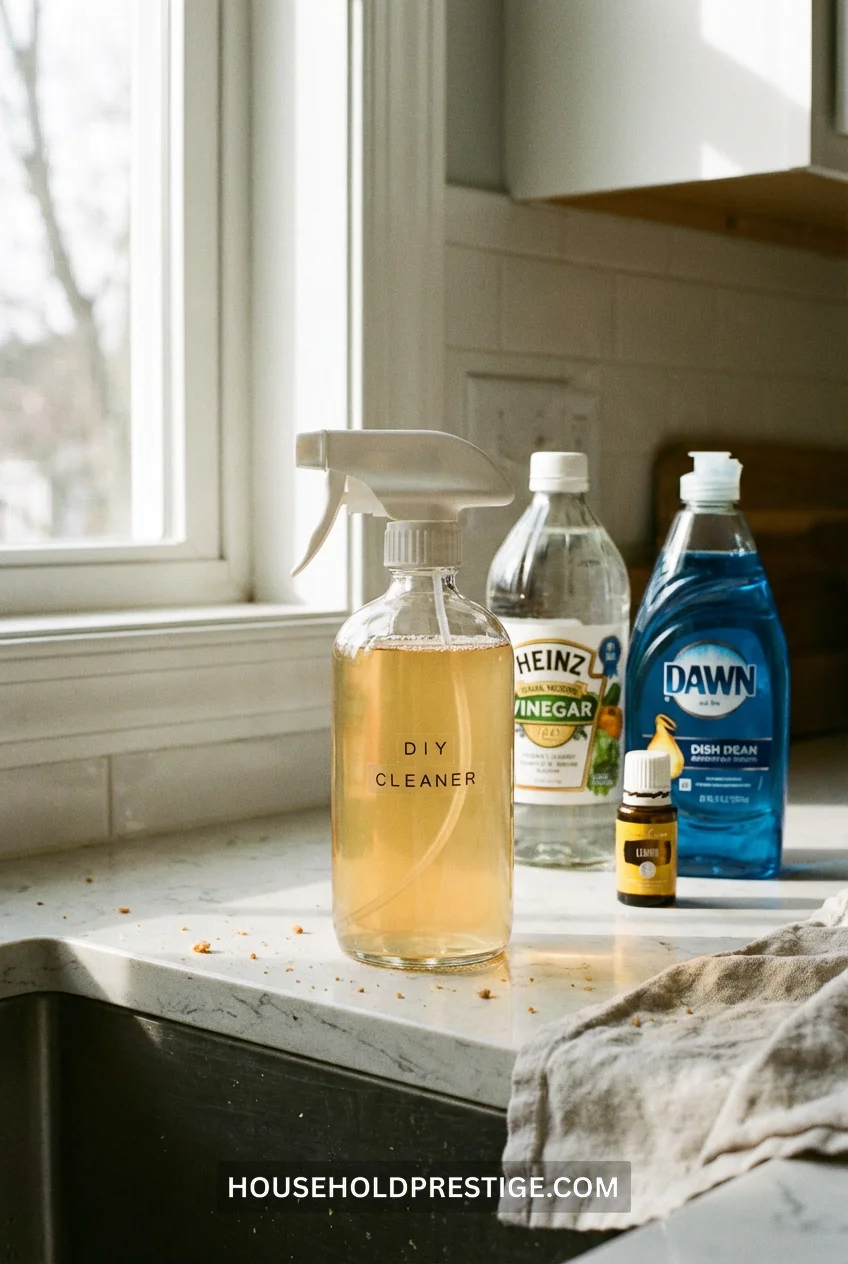
Here’s what nobody mentions about store-bought mopping floors solution: it’s designed to look like it cleans. The suds? Theater. The blue color? Marketing. The “fresh scent”? Chemical fragrance that sits on top of the grime instead of cutting through it.
Real cleaning happens when you strip away the buildup, kill the bacteria making your floors smell, and leave behind zero residue. That’s exactly what this homemade mopping floors solution does—for about 50 cents per batch instead of $5-8 for the store version that doesn’t even work.
Why Your Current Mopping Floors Solution Isn’t Cleaning Properly
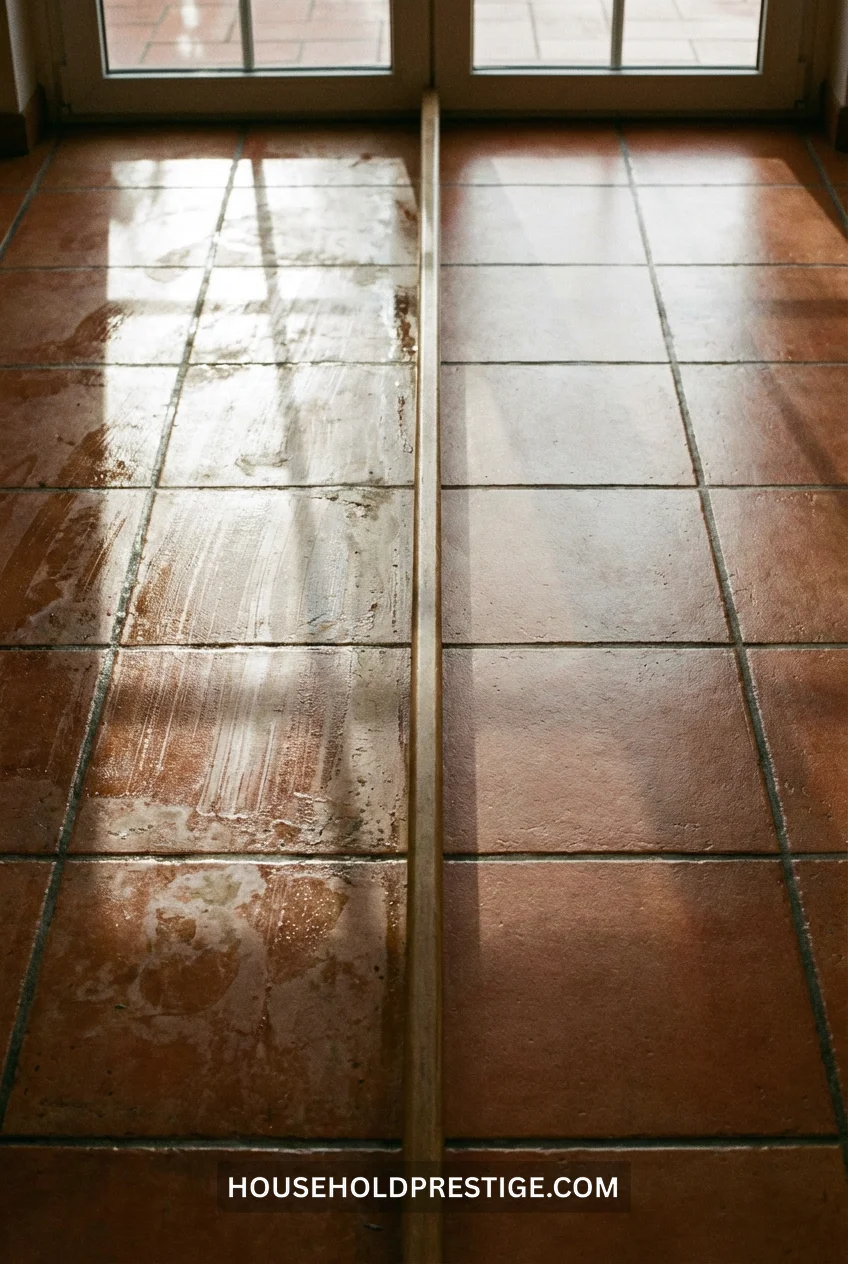
Most commercial floor cleaners create an illusion. They foam up beautifully, smell “clean” for about 10 minutes, then leave your floors feeling worse than before you started.
The sticky residue you feel? That’s soap buildup. Commercial cleaners use cheap surfactants that don’t rinse clean. They sit on your floor, collecting dust and dirt like flypaper. Every time you mop, you’re just adding another layer of gunk.
The smell problem is worse. If your floors smell bad after mopping, you’re dealing with one of three things: old mop water, bacteria thriving in the residue left behind, or both. Store-bought solutions mask this with synthetic fragrance. The bacteria are still there. They just smell like “Ocean Breeze” while multiplying.
And the streaks? Those happen when cleaners promise “no-rinse” formulas. Translation: we’ve added so much filler and fragrance that you can’t see the residue until the light hits it at exactly the wrong angle.
Your floors deserve better. Let’s fix this.
The Only Mopping Floors Solution Recipe You Need
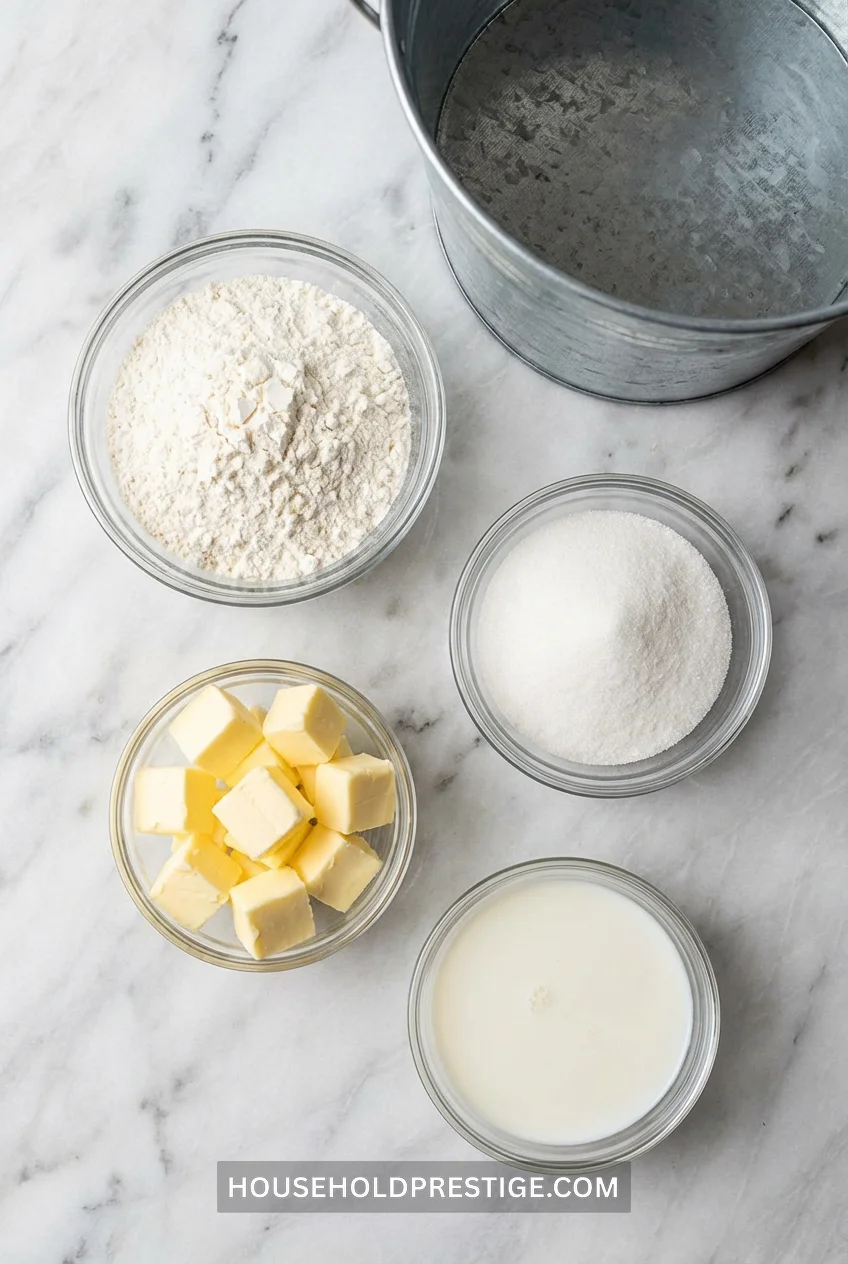
This isn’t a miracle cure. It’s chemistry that works.
The Base Formula (Makes 1 gallon):
- 1 gallon of hot water (as hot as your tap goes)
- ½ cup white vinegar (5% acidity, the cheap stuff works perfectly)
- 2 tablespoons Dawn dish soap (original blue, not the knockoffs)
- 15-20 drops essential oil (optional, but tea tree or lavender work beautifully)
Total cost: $0.47 per gallon vs. $5.99 for Pine-Sol
Why these specific ingredients matter:
The vinegar cuts through grease and grime while killing 99% of bacteria and mold. It’s acidic enough to dissolve mineral deposits and soap scum but gentle enough for most floor types. The 5% acidity is key—don’t use cleaning vinegar (6% acidity) on hardwood, or it’ll dull the finish over time.
Dawn breaks down oils and sticky residue better than any other dish soap I’ve tested. The original blue formula has a specific surfactant blend that rinses completely clean. Other brands either leave residue or don’t cut through grime as effectively. I’ve tried them. Stick with Dawn.
Hot water activates the cleaning power of both ingredients. Cold water won’t dissolve oils or lift dirt nearly as well. Use water as hot as your hands can tolerate for mixing.
Essential oils aren’t just for smell. Tea tree oil adds extra antibacterial power. Lavender has natural antifungal properties. Lemon oil cuts through grease. Pick based on what your floors need, not just what smells nice.
How to Mix It (And Not Mess It Up)
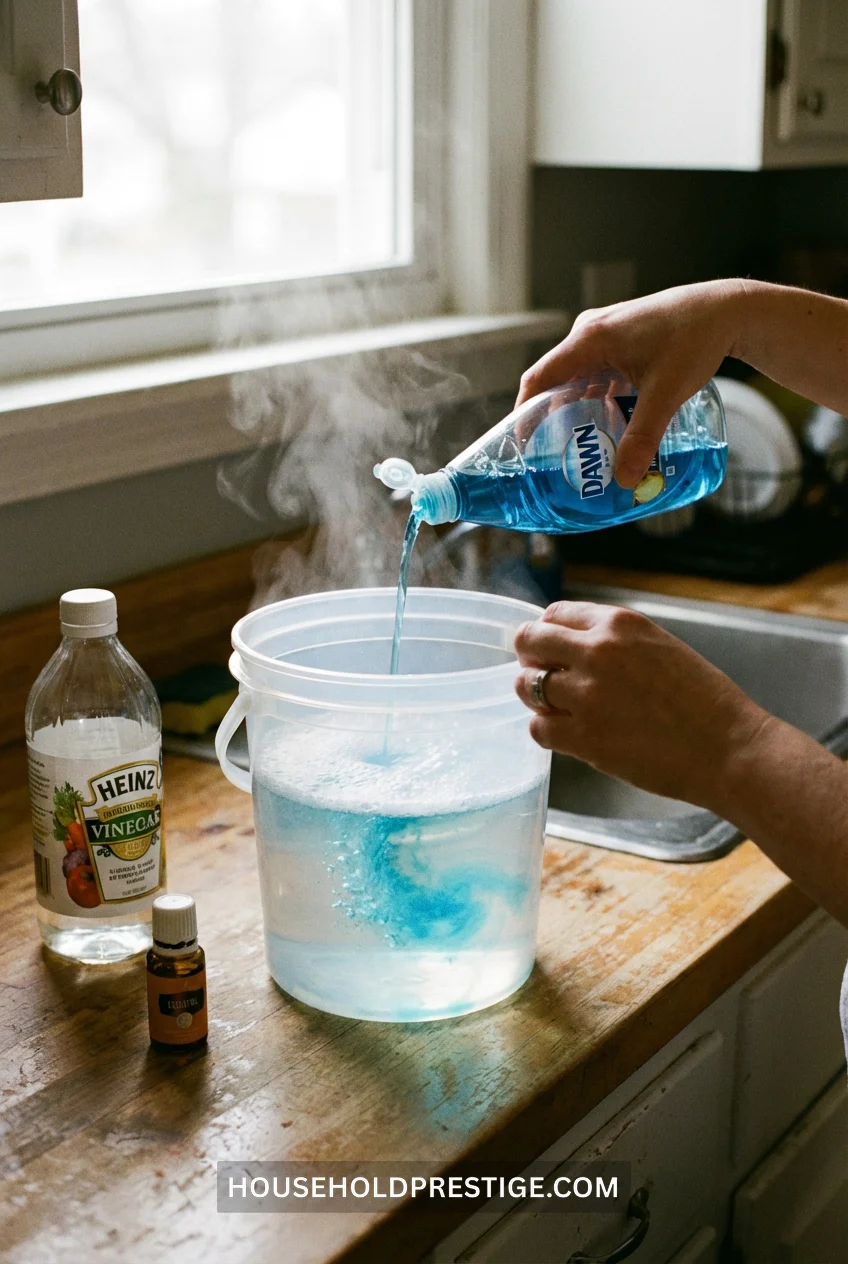
Start with hot water in your bucket. Add the Dawn first, swirl it gently to incorporate. Don’t create a foam party—you want the soap distributed, not aerated.
Add the vinegar second. It’ll react slightly with the soap (you might see a tiny bit of fizzing). This is normal. It’s not going to explode. It’s just acids and bases saying hello.
Drop in your essential oils last. They’ll float on top if you add them first, and you’ll spend the whole mopping session wondering why your floors smell like essential oils in random patches.
Swirl everything together with your mop for 10 seconds. That’s it. Don’t overthink this part.
The 3-Minute Mopping Method:
- Sweep or vacuum first (non-negotiable—you’re moving dirt around otherwise)
- Dip your mop, wring it until it’s damp but not dripping
- Work in 4×4-foot sections, overlapping slightly
- Rinse your mop in clean water every 2-3 sections
- Let it air dry (no second rinse needed)
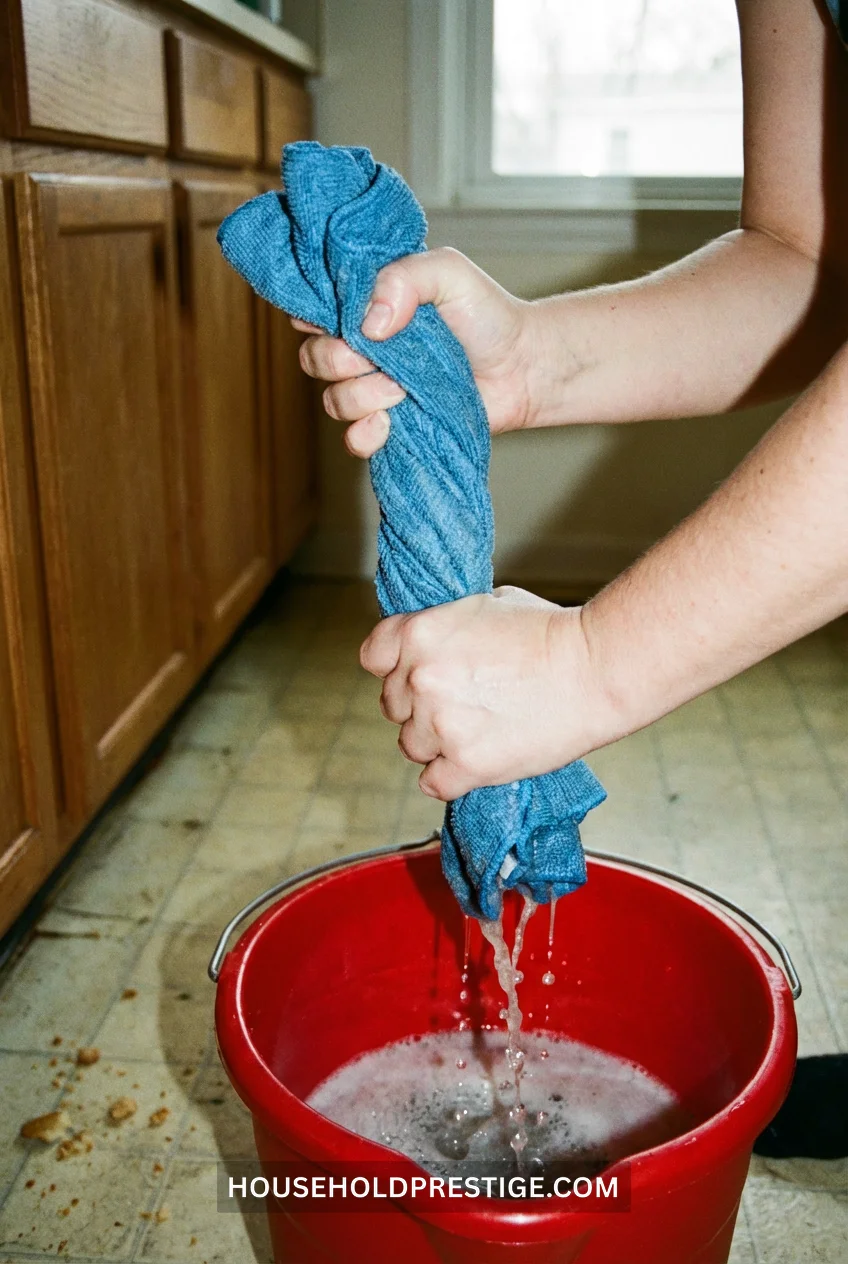
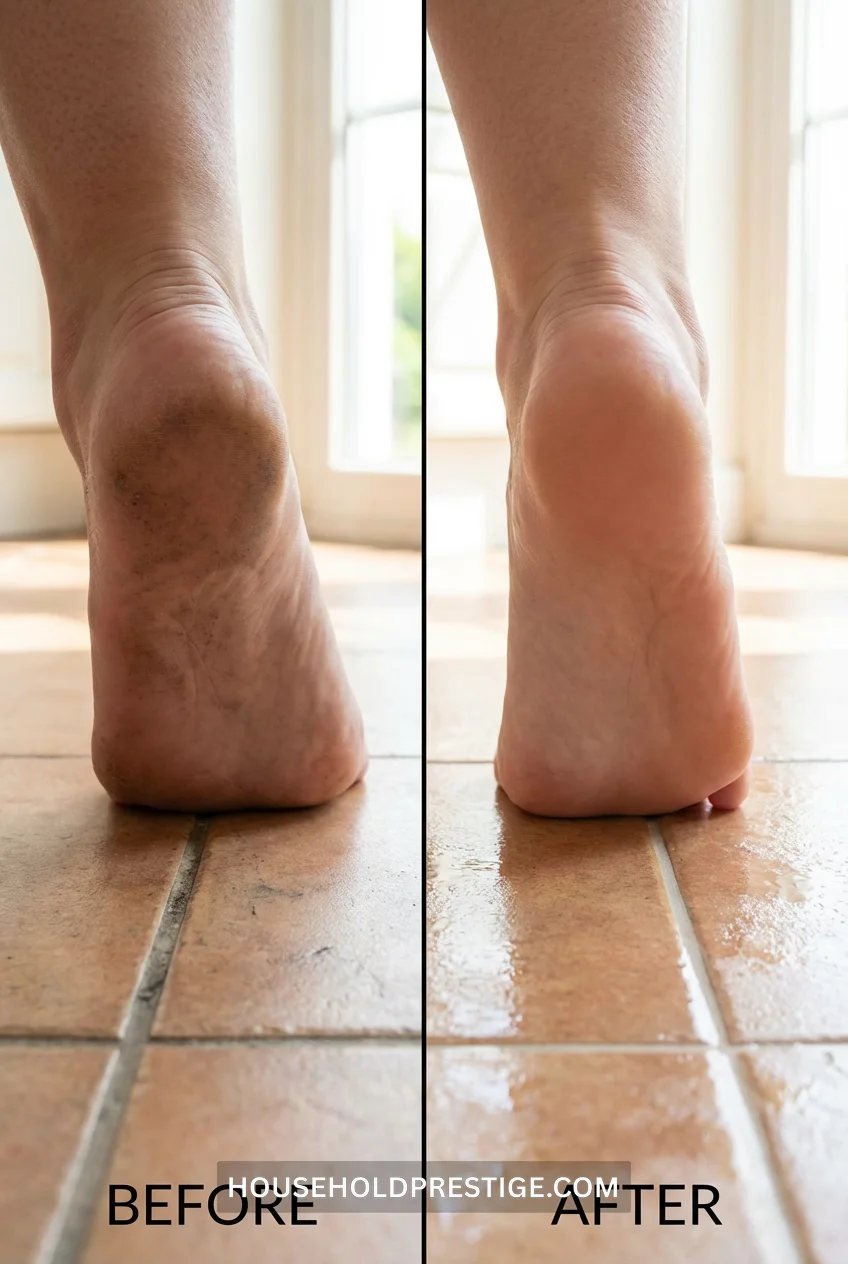
You’ll see the difference immediately. The floor dries streak-free in about 2 minutes. It doesn’t feel sticky. When you walk barefoot, it feels clean—not tacky, not filmy, not weird.
Floor-Specific Variations (Because Not All Floors Are Created Equal)
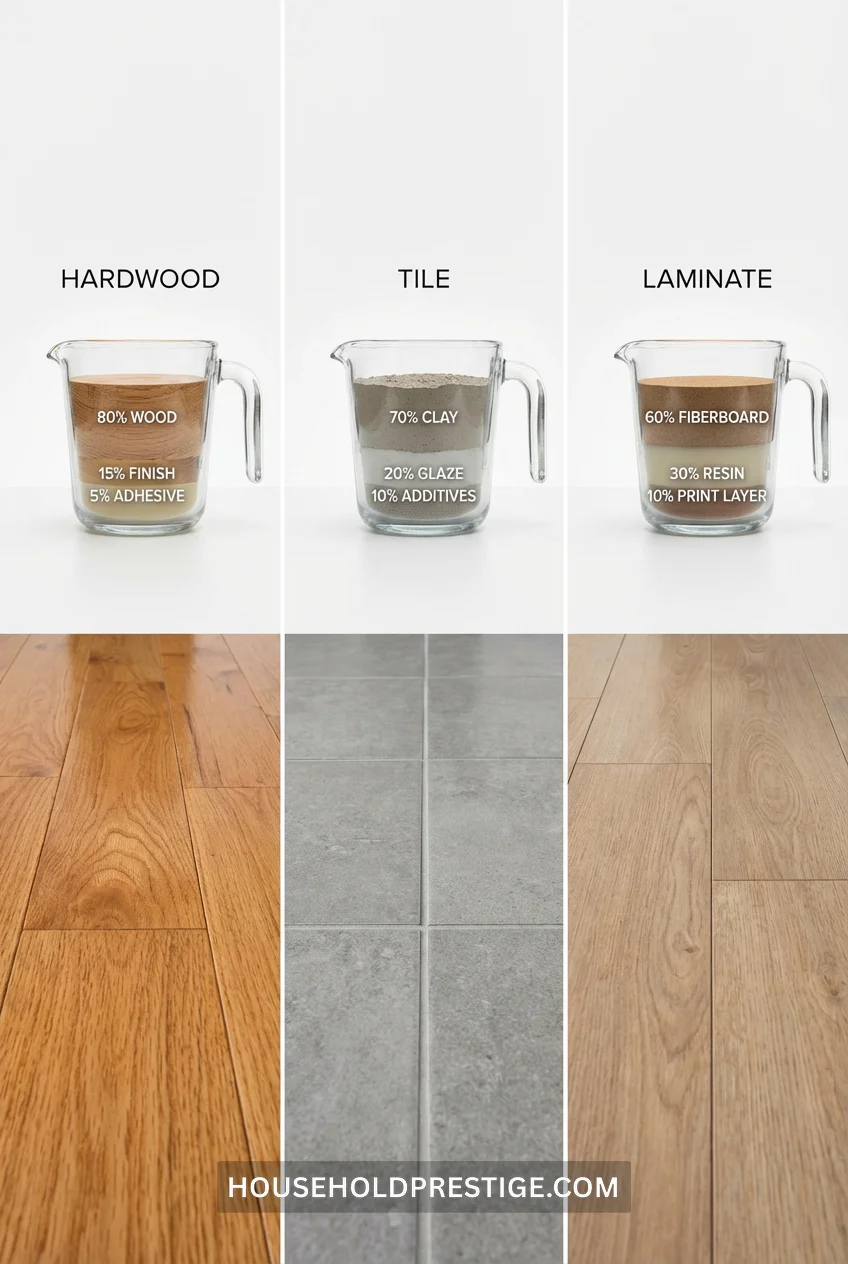
For Hardwood: The Gentle Version
Cut the vinegar to ¼ cup and reduce Dawn to 1 tablespoon. Hardwood is sealed, but it’s still wood. Too much acid will dull the finish over time. Too much soap leaves a haze.
Wring your mop almost dry. Hardwood hates standing water. You want damp, not wet. If water sits for more than 30 seconds, you’ve used too much.
Add 1 tablespoon of olive oil to the base recipe once every 3-4 months. It conditions the wood and brings back the natural sheen. Don’t do this every time or you’ll create slip-and-slide floors.
Cost reality: Bona Hardwood Floor Cleaner runs $7.99 for 32 oz. This makes 128 oz (1 gallon) for under $0.50.
For Tile & Grout: The Heavy-Duty Version
Double the vinegar to 1 cup. Tile can handle it. Grout needs it.
Add ¼ cup of rubbing alcohol (70% isopropyl) to the base recipe. It cuts through soap scum in bathrooms and evaporates quickly, so you don’t get streaks. This is especially clutch for white tile or glass tile, where every water spot shows.
For textured tile or really dirty grout, use a scrub brush on the grout lines first. The solution softens everything, but friction does the actual work on the grout.
Pro move: Mix a paste of baking soda and hydrogen peroxide (3:1 ratio) for grout stains. Let it sit 10 minutes, then mop with the heavy-duty solution. The stains lift right out.
For Laminate: The No-Streak Formula
Use the base recipe exactly as written. Laminate is plastic pretending to be wood. It doesn’t absorb anything, which means streaks show up like neon signs if you use too much soap.
The trick with laminate is the mop. Use microfiber, not string mops. String mops hold too much water and leave puddles that create swelling at the seams. Microfiber gives you control.
Buff with a dry microfiber cloth immediately after mopping if you see any streaks forming. They’ll disappear.
The Common Mistakes That Ruin Everything
Using too much soap. More bubbles don’t mean more clean. They mean more residue. Stick to the measurements. If you think you need more soap, your floors are probably dealing with old buildup from previous cleaners. Do a vinegar-only mop (1 cup vinegar per gallon of water) to strip it, then start fresh with the proper recipe.
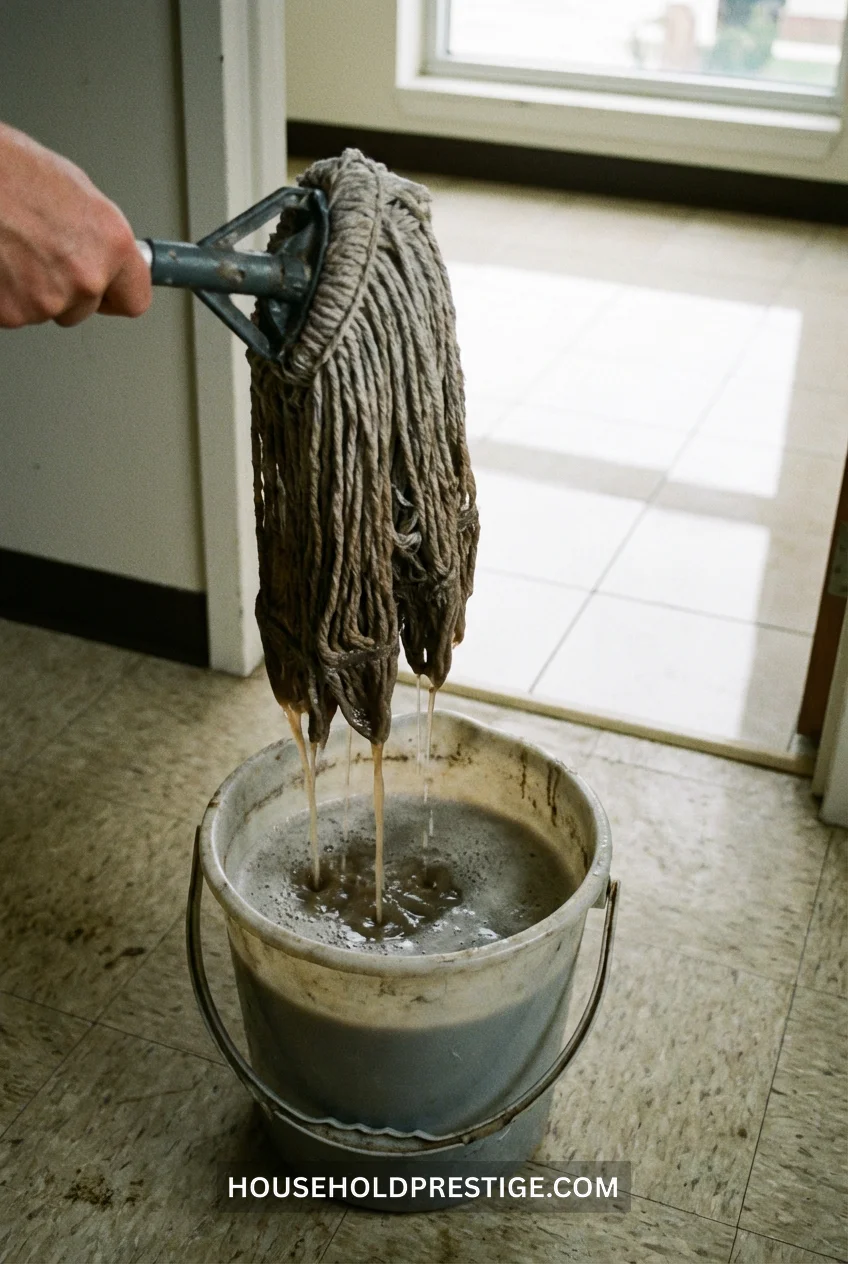
Mopping with dirty water. I see this constantly. People fill one bucket, mop their entire house, and wonder why the last room smells like the first room’s dirt. Change your water halfway through. Or use a two-bucket system—one for cleaning solution, one for rinsing the mop.
Skipping the sweep/vacuum step. You’re not mopping at that point. You’re making mud. Pet hair, crumbs, and dust turn into a paste when you add liquid. Sweep first. Always.
Using distilled white vinegar on natural stone. Marble, granite, limestone, travertine—all of them hate acid. Use the base recipe but swap vinegar for ¼ cup of rubbing alcohol instead. It’ll clean without etching the stone.
Leaving essential oils out because “they’re expensive.” They’re $8 for a bottle that lasts 6 months. The antibacterial properties matter, especially in kitchens and bathrooms where bacteria love to party. And honestly, mopping is slightly less miserable when your house smells amazing instead of like vinegar.
Why This Works Better Than Store-Bought Options
I tested this against Fabuloso, Pine-Sol, Mr. Clean, and Bona over two months. Same mop. Same floors. Same level of dirt (I have two dogs and a toddler, so: constant).
The differences were obvious:
Fabuloso left my tile feeling tacky. I could feel the residue when I walked barefoot. The smell was intense but fake—like someone spilled perfume in a hospital. It also left visible streaks on my laminate dining room floor.
Pine-Sol worked okay on heavy dirt, but made my hardwood look dull after three uses. The scent gave me a headache. It lingered for hours in a way that felt more “chemical” than “clean.”
Mr. Clean created the most foam but cleaned the least. The “Febreze Fresh Scent” version made my floors smell like someone tried to hide a smell, not eliminate it. I found myself re-mopping with just water to get rid of the residue.
Bona was the best of the commercial options, specifically for hardwood. But it’s $7.99 for 32 oz, which gave me maybe 4-5 mops. The DIY version is $0.50 for a gallon and worked just as well.
The homemade solution won on every metric:
- Dried streak-free on all floor types
- Zero sticky residue
- Floors stayed cleaner longer (3-4 days vs. 1-2 days)
- No chemical smell or headache
- Dogs stopped tracking dirty paw prints immediately after mopping
- Cost 90% less
The only downside? No fancy bottle. Pour it into a spray bottle if that matters to you. Label it. Done.
How to Keep Floors Cleaner Between Mops
Mop smarter, not harder. These habits cut down on how often you need to pull out the bucket:
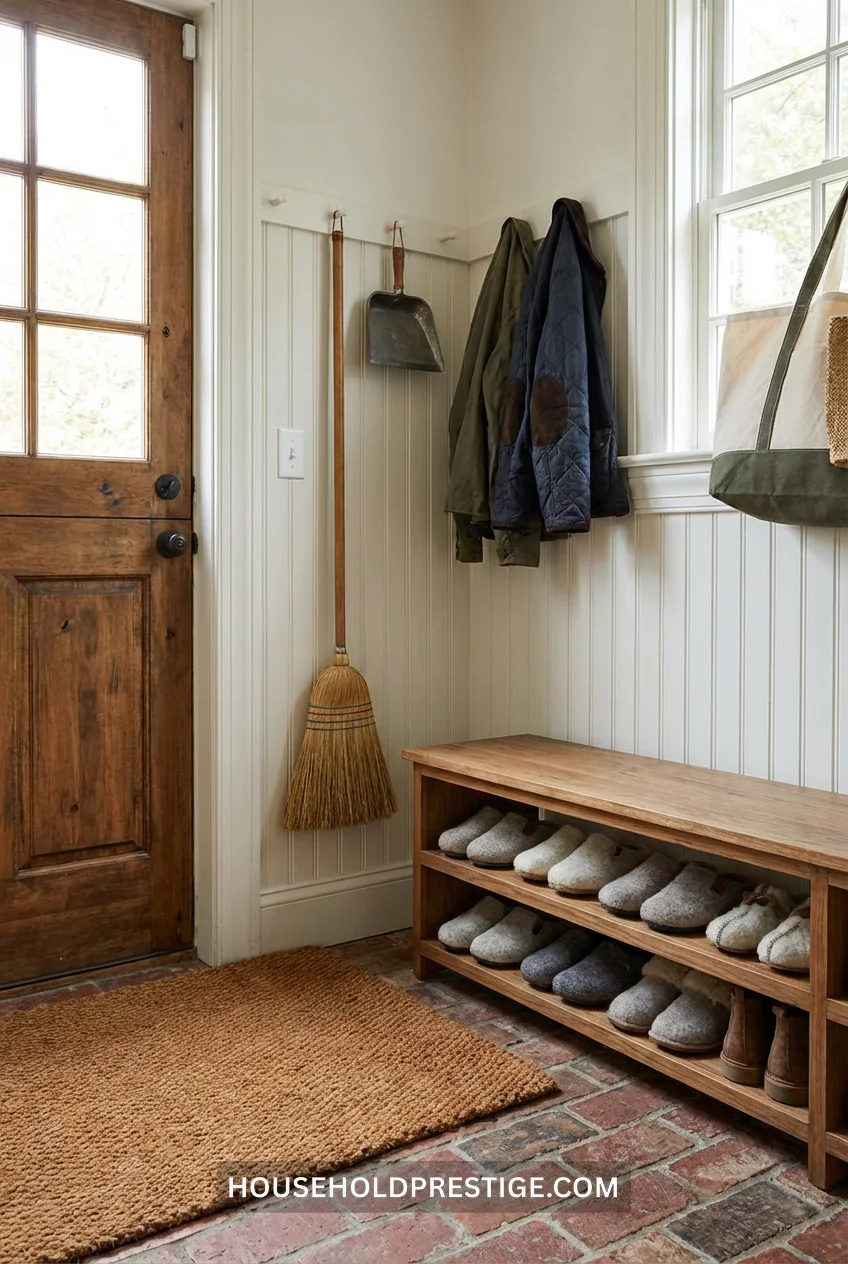
Door mats at every entrance. Inside and outside. They catch 80% of tracked-in dirt if people actually use them. The outside mat scrapes off mud and debris. The inside mat absorbs moisture. Get thick ones—the thin decorative mats don’t do anything.
No-shoes policy or house slippers. I know, I know. But shoes are disgusting. They track everything from bird droppings to pesticides. House slippers contain the dirt on washable fabric instead of grinding it into your floors.
Daily sweep or vacuum high-traffic areas. Kitchen and entryway, minimum. Takes 90 seconds. Prevents dirt from getting walked through your entire house.
Spot clean spills immediately. Grab your spray bottle, spritz the spot, and wipe with a microfiber cloth. Dried spills require mopping. Fresh spills need 10 seconds of attention.
Wash your mop head weekly. A dirty mop spreads bacteria and smells. Toss microfiber mop heads in the washing machine with hot water and vinegar. String mops can go in too, or soak them in a bucket with ½ cup of vinegar and hot water for 30 minutes.
When to Use This (And When Not To)
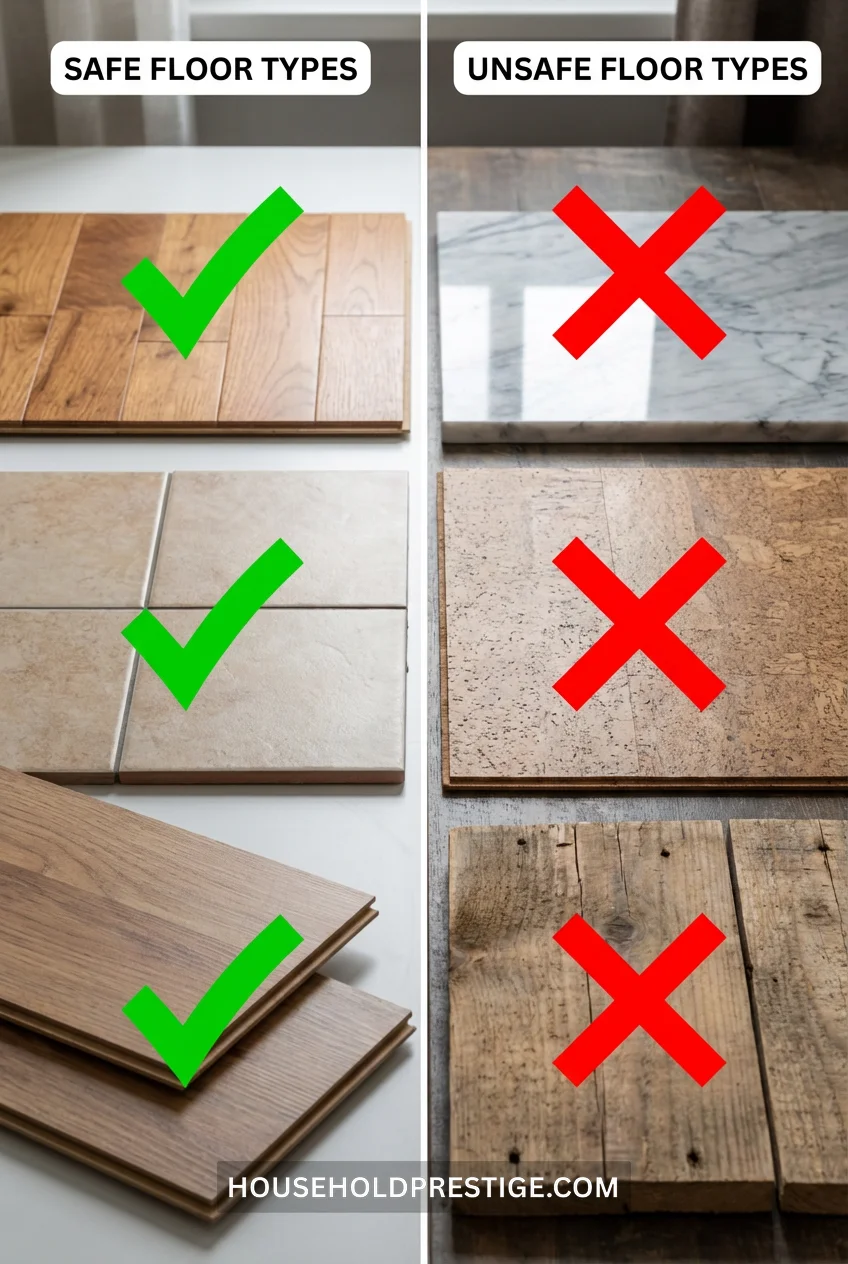
Use this for:
- Sealed hardwood, engineered wood, laminate
- Ceramic tile, porcelain tile, vinyl
- Linoleum, concrete (sealed)
- Daily or weekly maintenance mopping
Don’t use this for:
- Unsealed wood (it’ll absorb water and warp)
- Natural stone (marble, granite, limestone, travertine)
- Waxed floors (vinegar strips wax)
- Cork (too porous, needs pH-neutral cleaners)
If you have natural stone, swap the vinegar for rubbing alcohol. For waxed floors, use plain water with a tiny drop of dish soap (1 teaspoon per gallon). Cork needs a specialized pH-neutral cleaner—there’s no good DIY substitute that won’t damage it over time.
Frequency depends on your life:
- No kids, no pets: once a week
- One kid or one pet: twice a week
- Multiple kids/pets: every other day for kitchen, 2x/week elsewhere
- Post-party or major cooking: immediately
You’ll know when floors need it. They start to look dull or feel slightly sticky when you walk barefoot. Don’t wait until they’re visibly dirty. Maintenance mopping is faster than scrubbing baked-on grime.
The Bottom Line
Store-bought mopping floors solution isn’t designed to clean your floors. It’s designed to look like it’s cleaning your floors while leaving enough residue that you need to buy more next week.
This DIY version costs 90% less, works better, rinses completely clean, and doesn’t fill your house with synthetic fragrance or chemical smells. Mix a batch. Use it. Walk barefoot on your floors for 10 minutes later. They’ll feel clean—not tacky, not filmy, just clean.
Your mop water will stay cleaner longer. Your floors will stay cleaner longer. You’ll save $50-70 per year on floor cleaner. And you’ll stop wondering why your “clean” floors still feel gross.
That’s the solution. Not 17 different hacks. One formula that works.
FAQ
Can I use apple cider vinegar instead of white vinegar?
You can, but you shouldn’t. Apple cider vinegar is more expensive and leaves a slightly sticky residue on some floor types. White distilled vinegar is cheaper, clearer (no sticky residue), and has the right acidity level for floor cleaning. Save the apple cider vinegar for salad dressing.
Is it safe to mix vinegar and Dawn dish soap?
Yes. This is one of the few safe and effective cleaning combinations. You’re not creating toxic fumes. The slight fizzing is normal—it’s just acids and bases reacting. What you CAN’T mix is vinegar and bleach (creates chlorine gas) or ammonia and bleach (also toxic). Dawn and vinegar? Perfectly safe.
How long does the mixed solution last?
About 1-2 weeks if stored in a sealed container. The essential oils lose potency after that, and the solution starts to smell off. I recommend mixing fresh batches as needed rather than storing large quantities. It takes 60 seconds to mix—don’t overcomplicate it.
Will vinegar damage my hardwood floors?
Not if you use the hardwood-specific ratio (¼ cup per gallon) and keep your mop damp, not wet. The key is the dilution ratio and minimal water exposure. Commercial hardwood cleaners often contain similar acidic ingredients—they just charge you $8 for 32 oz and don’t list the actual ingredients.
Why does my floor still smell like vinegar after mopping?
You used too much vinegar, or your floors have old cleaning product buildup that’s reacting with the acid. The vinegar smell should disappear in 5-10 minutes as it evaporates. If it lingers, reduce your vinegar to ¼ cup per gallon and do an extra rinse with plain water after mopping. Once you remove the old buildup, the smell won’t linger.