

You can run a spreadsheet. You can lead a meeting. You can parallel park on the first try. But a pot of beans, a torn hem, a whole week of dinners that don’t come out of a box? Somehow that part got skipped.
If you feel a little behind on basic homemaking skills, you are in good company. A lot of us grew up watching homes run on autopilot without ever being shown the engine. Then we got our own place and realized the engine doesn’t run itself.
Here’s my promise. By the end of this guide, you’ll have a clear order to learn these homemaking skills in, real numbers for what each one costs, and one foundational skill broken down step by step so you can start this weekend. No vintage-apron cosplay required. Just a calmer, cheaper, more capable home.
Start With the Right Idea of “Good”

Before you learn a single skill, fix the target. Most people quit homemaking before they start because they’re aiming at the wrong thing.
The wrong thing is the spotless, styled, sunlit home on your feed. That’s a set. Ballerina Farm is not your Tuesday. A real cared-for home has a load of laundry waiting and a counter that needs wiping, and it still works.
The right target is simple: a home that runs well enough that you’re not stressed in it. That’s the whole goal. A 10-minute tidy beats a deep clean you keep putting off. Progress beats perfect, every time.
Hold that idea loosely, and the skills below get a lot less scary.
Skill One: Cook One Thing From Scratch (Start With Bread)
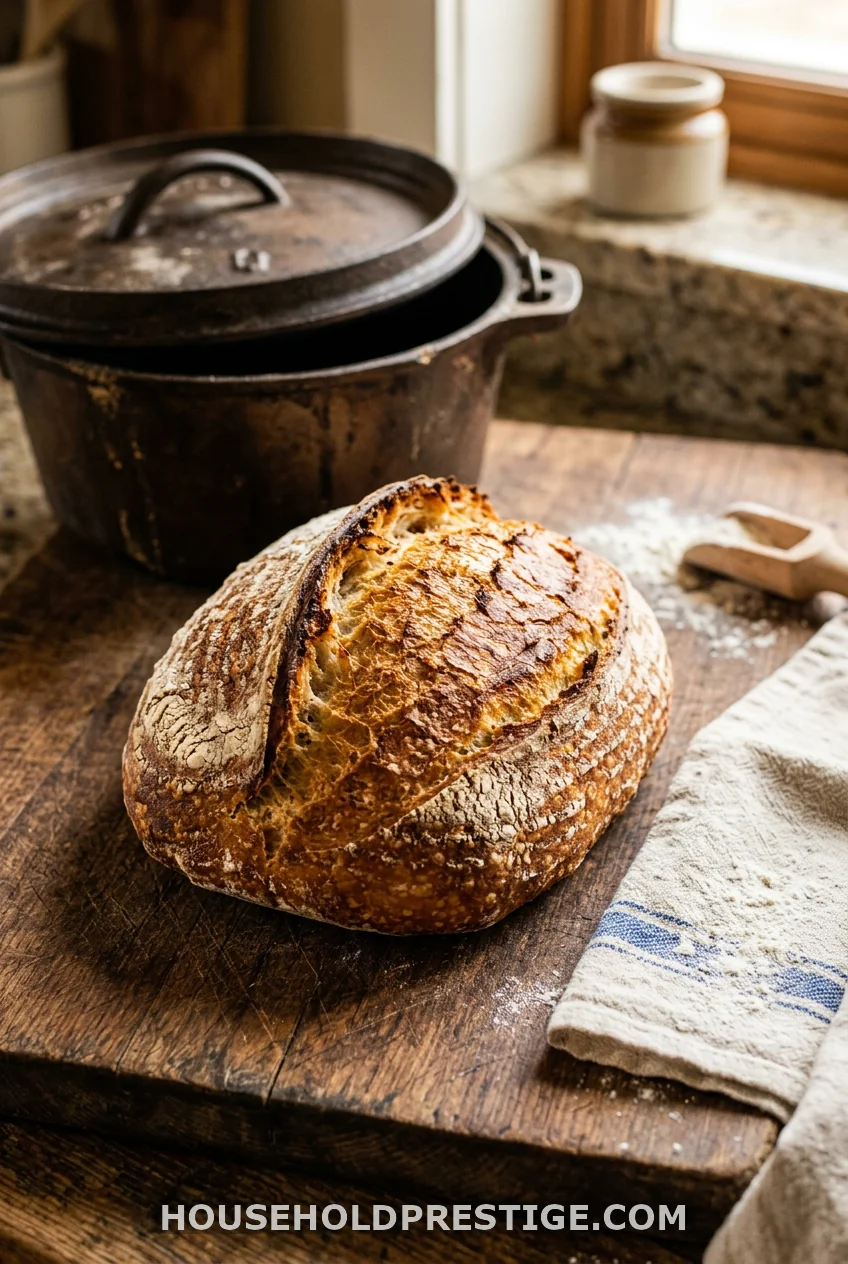
If you only ever learn one homemaking skill, make it cooking from scratch. It saves the most money, feeds you better, and rebuilds your confidence faster than anything else on this list. And the best on-ramp is a loaf of no-knead bread.
I’m going to walk you through this one in full, because once you’ve done it once, every other recipe stops feeling so out of reach.
Why Bread First
Bread is forgiving. It needs four ingredients and almost no skill, because time does the work your hands would normally do. You mix, you wait, you bake. That long wait is the whole trick.
What You Need
A mixing bowl, a wooden spoon, and a lidded oven-safe pot. A cast-iron Dutch oven is ideal. A Lodge 5-quart runs about $35 to $40 and lasts for life. Any heavy pot with an oven-safe lid works too.
Ingredients for one loaf:
- 3 cups all-purpose flour (about 400 grams)
- 1.5 teaspoons salt
- Half a teaspoon instant yeast
- 1.5 cups warm water (warm, not hot, around 100°F)
The Steps
- Stir the flour, salt, and yeast together in your bowl.
- Pour in the warm water. Stir until it forms a shaggy, sticky blob. No kneading. It will look rough, and that’s correct.
- Cover the bowl with a plate or wrap. Leave it on the counter for 12 to 18 hours. Overnight is perfect.
- The next day, the dough will be bubbly and loose. Tip it onto a floured surface and fold the edges into the middle a few times to form a rough ball.
- Rest it 30 minutes while your oven heats.
- Put the empty pot, with its lid on, into the oven and heat to 450°F. Let the pot get hot for at least 30 minutes.
- Carefully lower the dough into the hot pot. Lid on.
- Bake 30 minutes covered, then 12 to 15 minutes uncovered until the crust is deep golden.
- Cool on a rack before slicing. This part is hard. Do it anyway.
Cost Reality
A loaf this size costs you well under 50 cents in ingredients. Store-bought crusty bread of the same quality runs $4 to $6. Bake one loaf a week, and you’ve covered the cost of the pot in about two months.
Common Mistakes To Avoid
- The water is too hot. Hot water kills yeast. If you can’t hold a finger in it, it’s too hot.
- Rushing the rise. The long wait is the kneading. Give it the full 12 hours.
- Cold pot. A dutch oven that isn’t preheated gives you a flat, pale loaf. Let it get screaming hot first.
Once bread clicks, branch out the same way: pizza dough, tortillas, pancakes from your own pantry. Each one is just bread’s cousin.
Skill Two: Run the Money Like It’s a Job
Managing the household money is a homemaking skill, full stop. And you don’t need an app or a finance degree to start.
Do this first: track every dollar for 30 days. Not to judge yourself, just to see. Most of us have no real idea where the money goes until we write it down.
Then build a plan around what you really spend, not what a stranger’s budget template says you should. Groceries are usually the most flexible line, so that’s where small changes add up fast. Buy staples in bulk. Shop your own pantry before the store. Cook more from scratch (see skill one).
The mindset shift that saves the most: use what you already own before buying more. Go look in your bathroom cabinet right now. I’d bet there are three half-used shampoos in there. Finish them first.
Skill Three: Clean With Five Things, Not Fifty
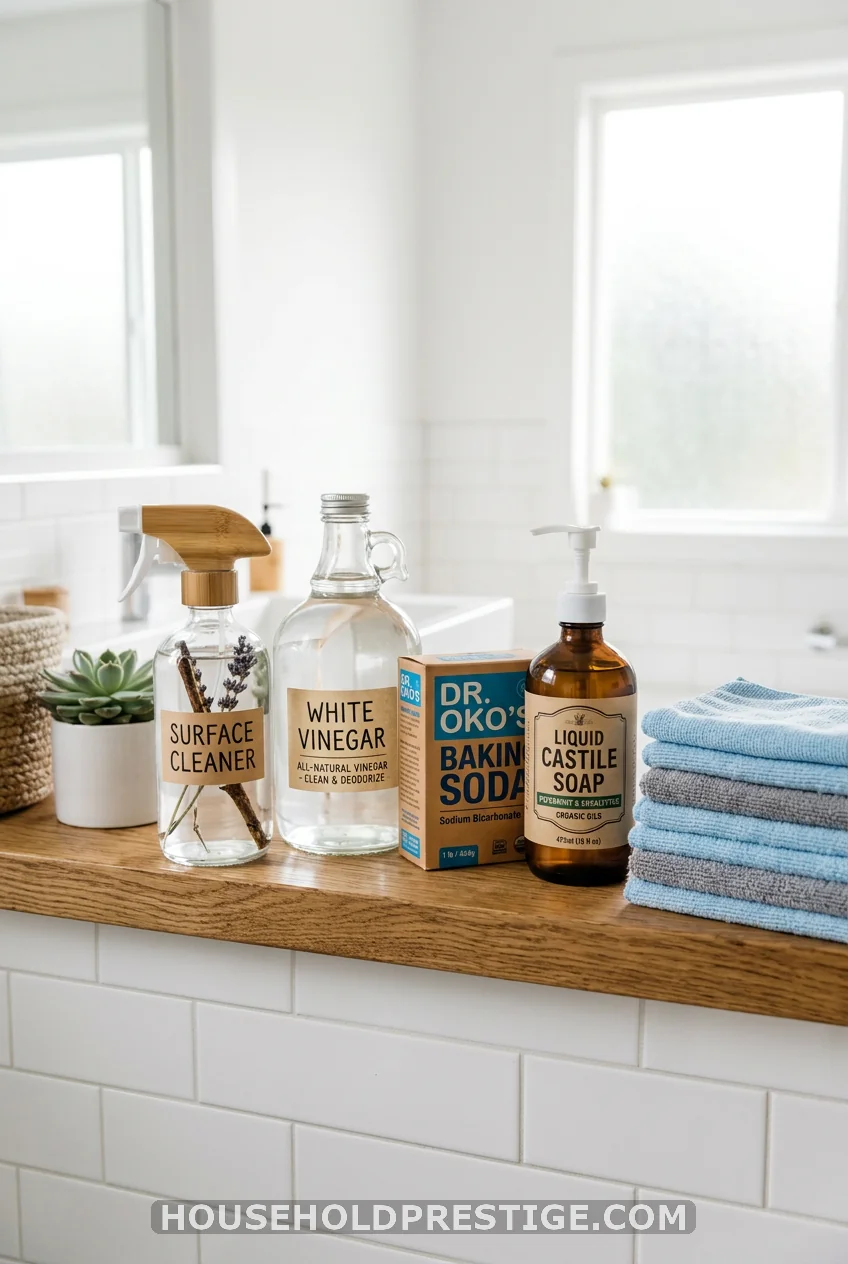
Walk down the cleaning aisle, and you’d think you need 40 specialized sprays. You need about five things, and they cost almost nothing.
Your starter kit:
- White vinegar (about $3 a gallon)
- Baking soda (around $1 a box)
- Castile soap, like Dr. Bronner’s ($10 to $16 a bottle, lasts months)
- A 12-pack of microfiber cloths (about $10)
- Two spray bottles ($2 each)
Mix bottle one as half water, half vinegar for glass, mirrors, and most surfaces. Mix bottle two as water with a squirt of castile soap for greasy, grimy jobs. One quick note, so you don’t waste a batch: don’t combine vinegar and castile soap in the same bottle. The acid curdles the soap. Keep them separate, and they each do their job beautifully.
Baking soda is your scrubber. Sprinkle it in the sink or tub, add a little water, and scrub. That’s your whole bathroom, handled, for pennies.
Skill Four: Mend So Your Clothes Last
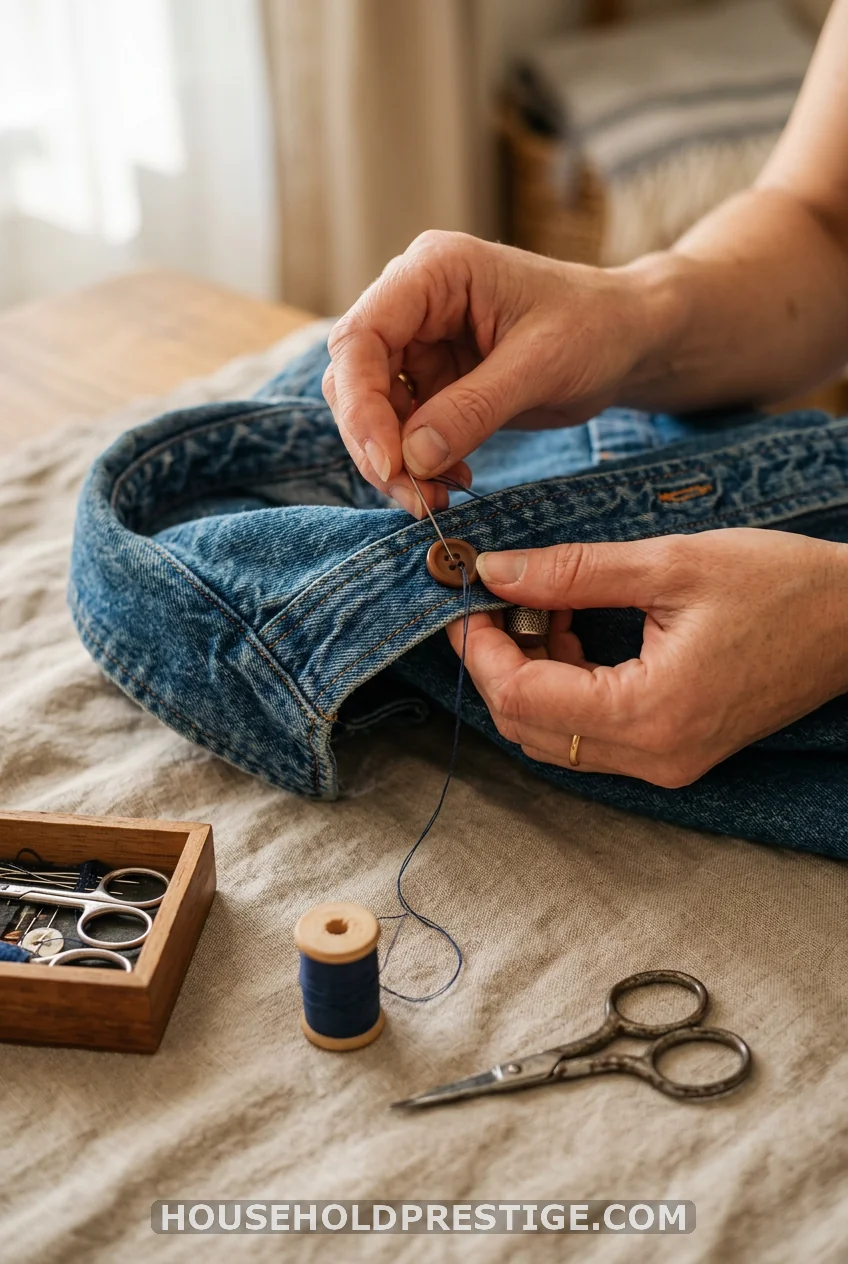
A popped button or a split seam sends a lot of good clothes to the trash. Learn four small things, and that stops happening.
Get a basic sewing kit (about $5) with needles, thread, and a few buttons. Then learn, in this order:
- Sew on a button. The single most useful repair you’ll ever do.
- The running stitch. A simple in-and-out line for quick fixes.
- The backstitch. Stronger, for seams that take stress.
- The slip stitch. An invisible way to fix a fallen hem.
Ten minutes of YouTube plus one practice scrap and you’ve got all four. This skill pays for itself the first time you save a $40 pair of jeans from a torn pocket.
Skill Five: Plan Meals So 5 pm Stops Being a Crisis
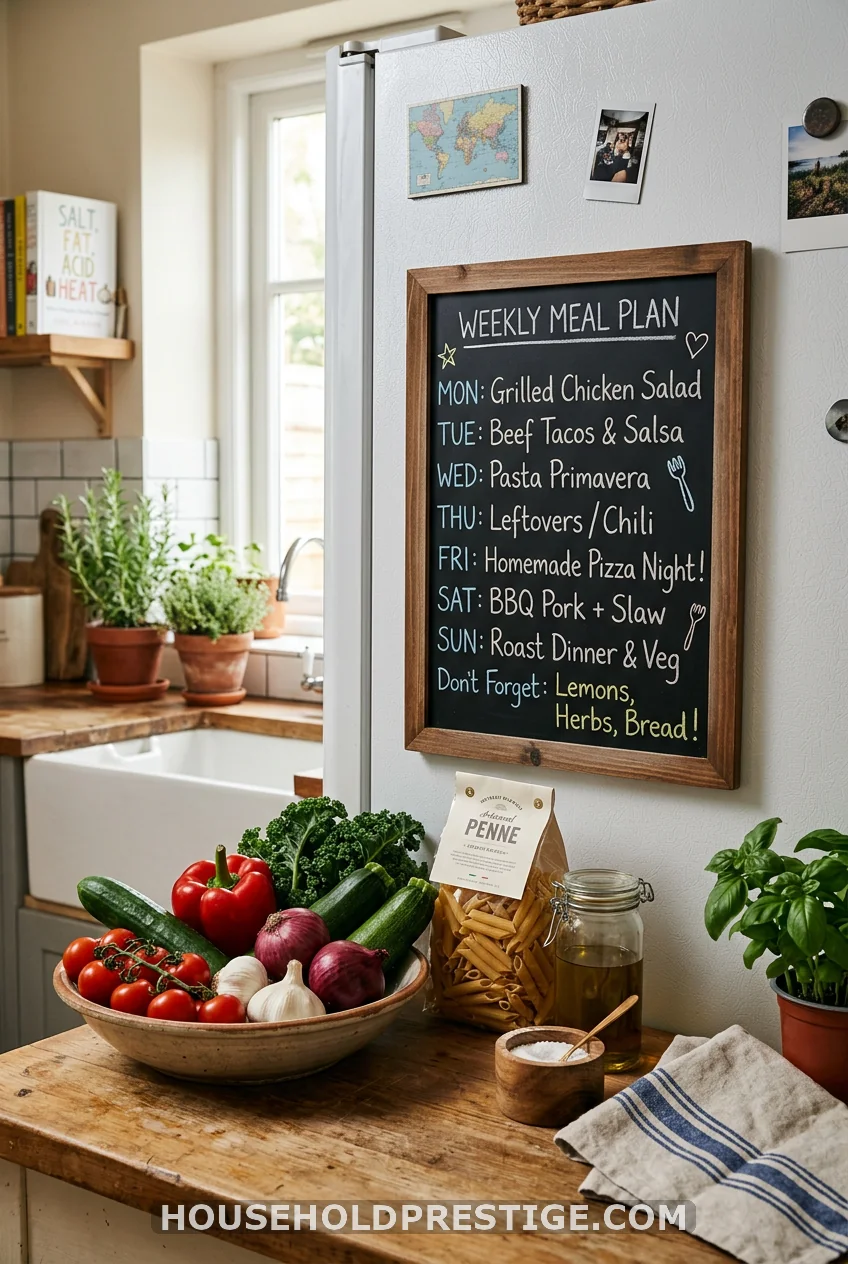
That daily panic of “what’s for dinner” eats more money and energy than almost anything else. The fix is a plan, and it can be loose.
Don’t plan meals. Plan five. Leave two nights open for leftovers or a flexible night. Trying to plan every single meal is why most people quit by Wednesday.
Make it even easier with theme nights. Meatless Monday. Taco Tuesday. Pasta Friday. The theme removes half the decision, so you’re just filling in a blank instead of staring at one.
And before you write your grocery list, shop your own pantry. Build a meal or two around what you already have. Your wallet and your future self both win.
Skill Six: Grow A Little Something
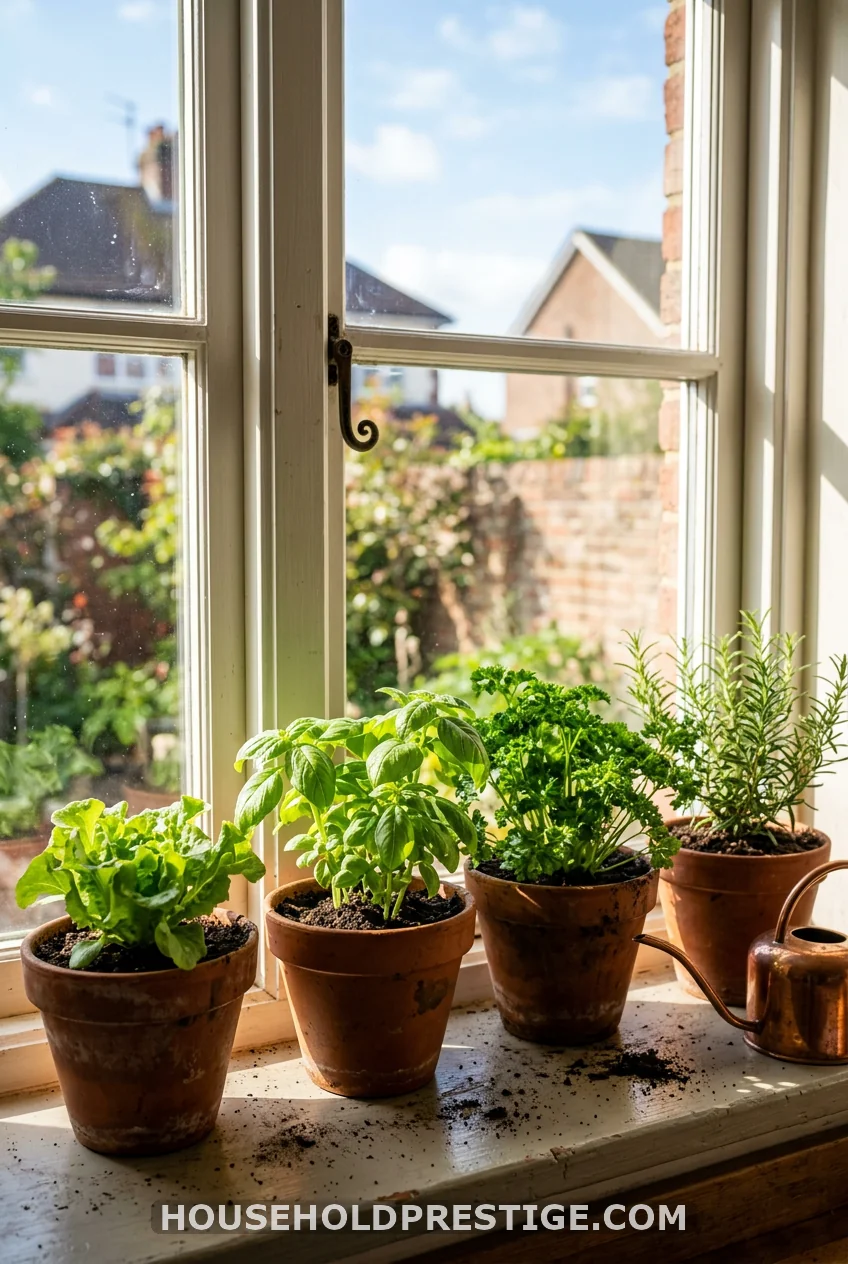
You do not need a homestead or even a yard. A sunny windowsill counts.
Start small so you don’t get overwhelmed and quit. One pot of basil. A few lettuce leaves you can snip. A single tomato plant on a balcony. Around $30 in seeds and a couple of pots gets you going, and a tomato plant can return pounds of fruit over a summer.
Growing even one thing changes how you see food. You start tasting the difference, and you start wasting less of it.
Skill Seven: Build a Rhythm, Not a To-Do List
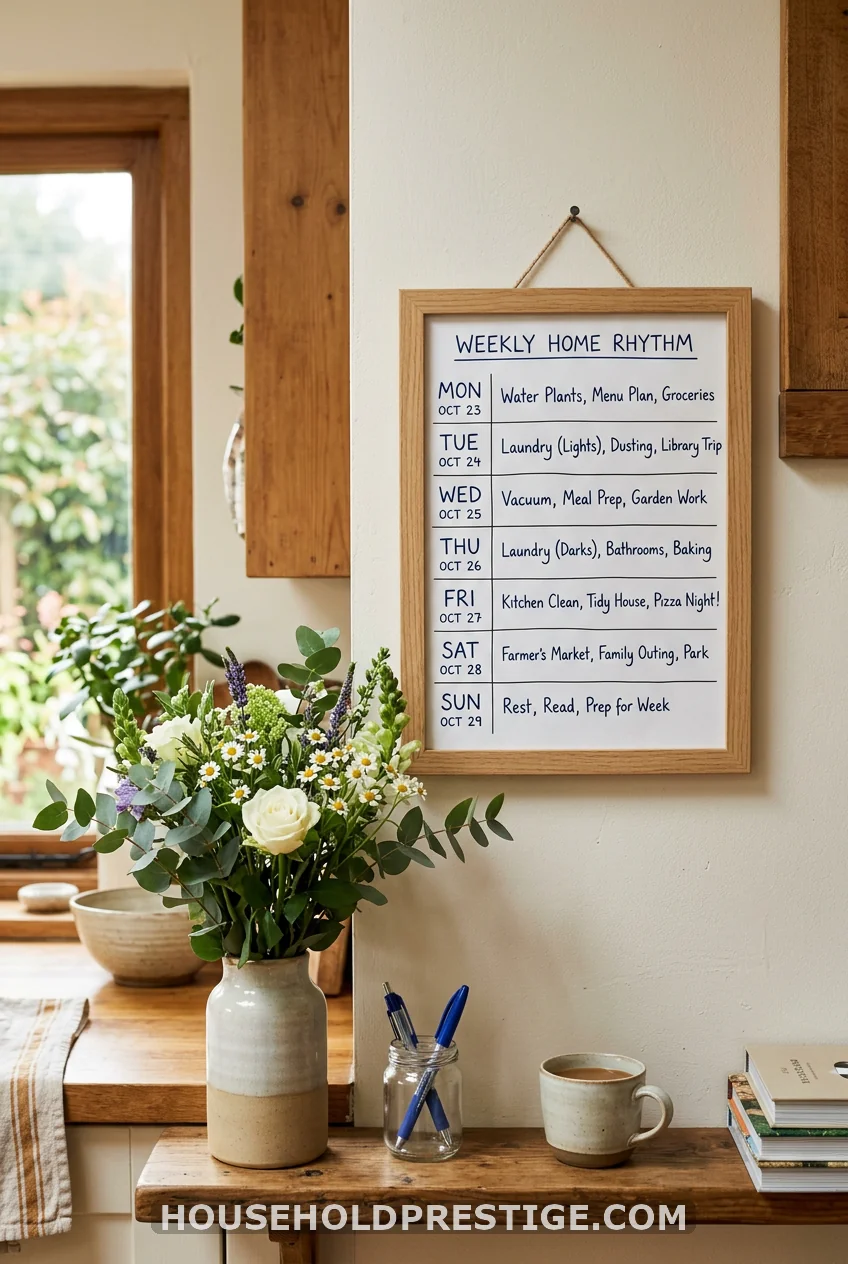
This is the skill that holds all the others together. A rhythm takes the daily decision-making off your plate, and decision fatigue is what burns homemakers out.
Give each chore a home. Laundry on Mondays. Bathrooms on Wednesdays. Floors on Fridays. When a task has a day, you stop carrying it around in your head all week.
Then anchor three small resets to your day:
- Morning: make the beds, start a load of laundry, open the curtains.
- Midday: a two-minute kitchen wipe-down, a quick counter clear.
- Evening: dishes done, living room reset, clothes laid out for tomorrow.
None of these takes long on their own. Strung together, they’re the difference between a home that runs and one that runs you.
When You Fall Off (Because You Will)
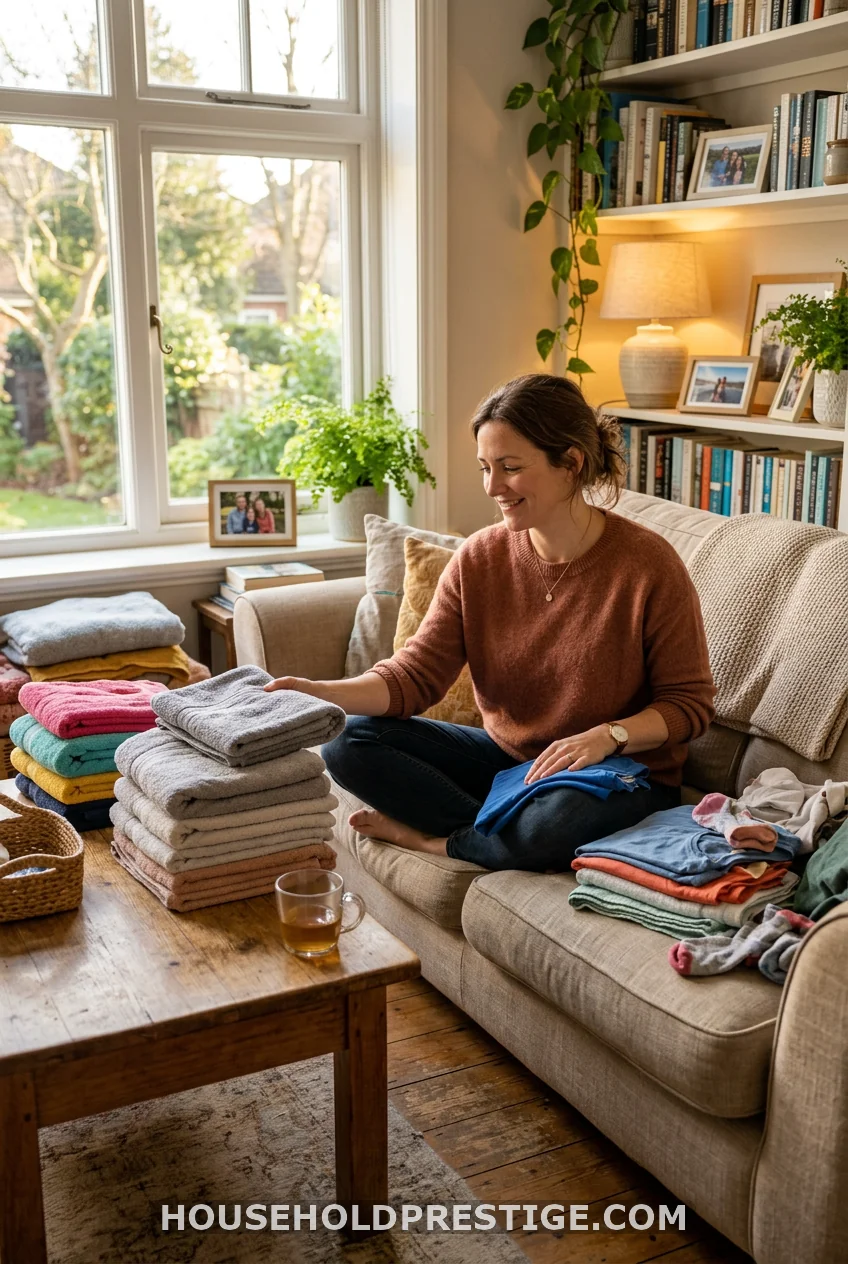
You’ll have a week where the dishes pile up, and nothing gets done. Every homemaker does. The skill isn’t never falling off. It’s getting back on without the guilt spiral.
When it happens, don’t try to fix everything at once. Pick one thing. Run the dishwasher. Start one load. Wipe one counter. Momentum comes from the first small action, not from a perfect plan.
The home doesn’t need you to be flawless. It needs you to keep coming back. That’s the real skill underneath all the others.
A Note Before You Go
You were never behind. You just weren’t taught, and that’s a very fixable problem. Pick one skill from this list, the one that tugged at you most, and start there this week. Not all seven. One.
Homemaking isn’t a personality you’re born with. It’s a stack of small, learnable homemaking skills, built one at a time, until one day you look around your calm, working home and realize you know how to run it. You’ll get there. Sooner than you think.
Frequently Asked Questions
What are the most important homemaking skills to learn first?
Start with cooking from scratch, basic cleaning, and managing your household money. These three save the most money and remove the most daily stress. Once they feel natural, add mending, meal planning, and a weekly rhythm.
How do I learn homemaking skills if no one taught me growing up?
Learn one skill at a time instead of all at once. Pick a single foundational skill, like baking bread or making a simple budget, practice it until it’s easy, then add the next. Free videos and one practice run cover most basic skills.
Are homemaking skills still worth learning in a modern home?
Yes. Cooking from scratch, mending, and cleaning with basic supplies cut real money from your budget every month, and they give you control when prices rise. They also reduce waste and lower the daily mental load of running a home.
How long does it take to feel confident with homemaking skills?
Most people feel comfortable with a single skill after two or three tries. Building a full routine across cooking, cleaning, and money usually takes a few months of steady practice. Consistency matters far more than speed.
Do I need to spend a lot of money to start homemaking?
No. Most core homemaking skills use cheap, basic supplies you may already own. A bread loaf costs under 50 cents to bake, a full cleaning kit runs around $30, and a basic sewing kit is about $5.