

Your house looks tidy. The floor is clear. The dishes are done. So why does it still feel dirty?
That itch, that nagging feeling that something’s off, is exactly why you’re searching for deep cleaning tips right now. Regular cleaning wipes the surface. Deep cleaning goes under it.
I used to think a clean house meant a house with nothing on the floor. Then, on a random Tuesday, I ran my finger along my baseboard and pulled back a gray sock of dust thick enough to knit a sweater. My stomach dropped. My “clean” house was a lie, and I bet yours might be too.
Stick with me here. By the end of this, you’ll know exactly what a real deep clean covers, why your weekly routine keeps missing half of it, and how to knock it out room by room without losing your entire Saturday.
Why Your House Still Feels Dirty (Even When You Just Cleaned It)

Wiping counters and running a vacuum handles the top layer of your home. That’s regular cleaning, and it matters. But dirt doesn’t only live where you can see it.
Grease climbs your cabinet doors in a film so thin you’d never feel it. Dust rides your ceiling fan blades until they turn gray. Grime settles into grout lines and vent covers. It piles up in the gap behind your dryer. It hides under your couch cushions, where crumbs and coins and stray lint go to retire.
None of that gets touched by a normal Tuesday-night tidy-up. Deep cleaning is the difference between a house that looks clean in photos and a house that’s clean underneath, top to bottom, hidden corners included.
Why Your Weekly Routine Never Catches It
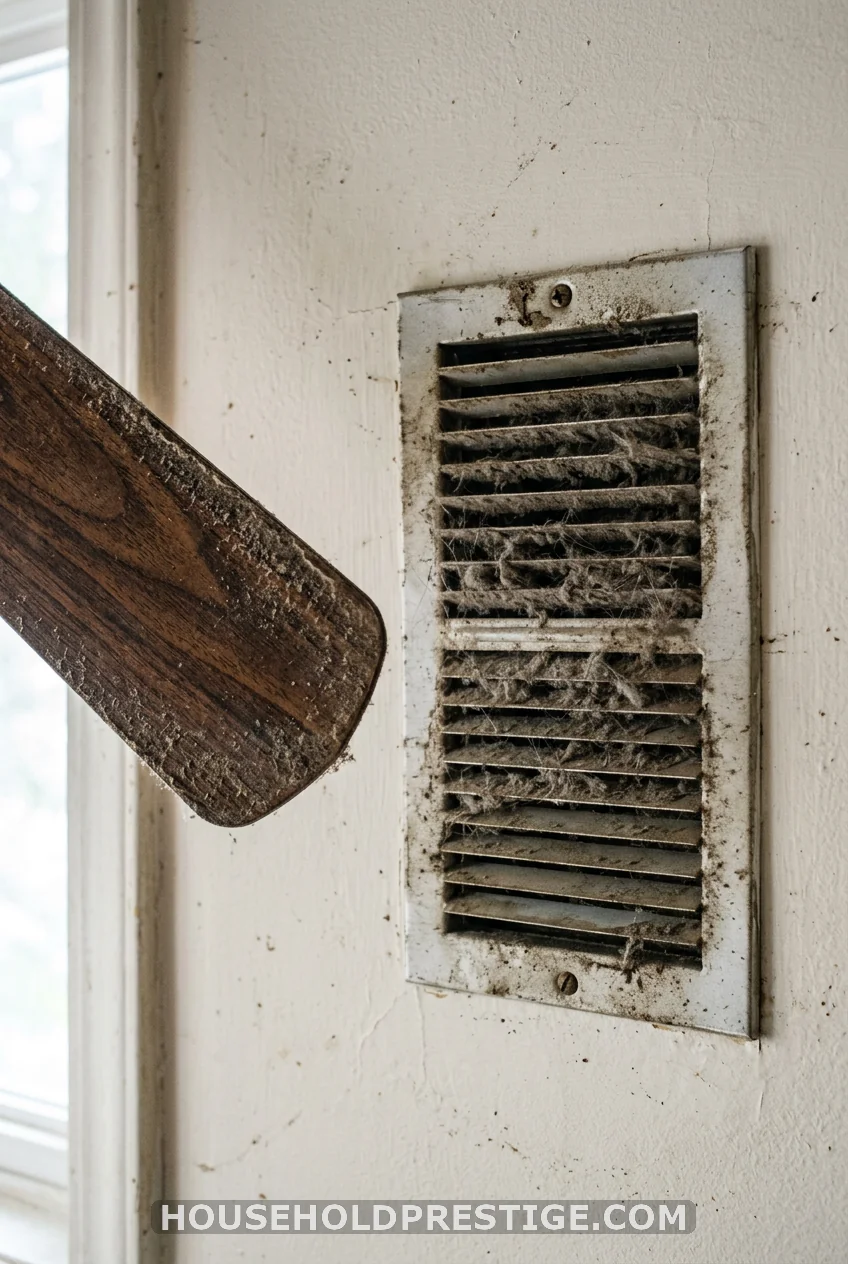
Weekly cleaning targets what you touch and what you see: countertops, floors, the sink. It’s built for speed, not thoroughness, and that’s by design. Nobody has three hours a week to scrub grout.
The problem is that grease, dust, and mildew don’t wait for your schedule. They build slowly, in layers. They pile up behind appliances, inside vents, under furniture, along baseboards. Some researchers who study home life have even found a link. A dusty, cluttered house tends to raise stress day to day. Your house looking “fine” on the surface doesn’t mean your body agrees.
That gap between looks-clean and is-clean is exactly what a deep clean closes. And the good news? You don’t need a professional crew or a lost weekend to do it. You need a plan, broken into zones, and a little patience.
A professional deep clean for an average home costs $200 to $400. The price depends on your home’s size. Doing it yourself costs the price of baking soda, vinegar, and a Saturday afternoon. That’s why this list skips fancy gadgets and sticks to what’s already under your sink.
Signs You’re Overdue for a Deep Clean
Not sure if it’s time yet? Check these signs first.
- Dust shows up again a day after you dust.
- Your bathroom fan looks fuzzy, not silver.
- The kitchen smells faintly greasy, even after you wipe it down.
- You avoid looking behind the couch or under the bed.
- Guests are coming, and you feel a flash of panic.
Any one of these means it’s time. Two or more, and don’t wait for the weekend.
What You Need Before You Start
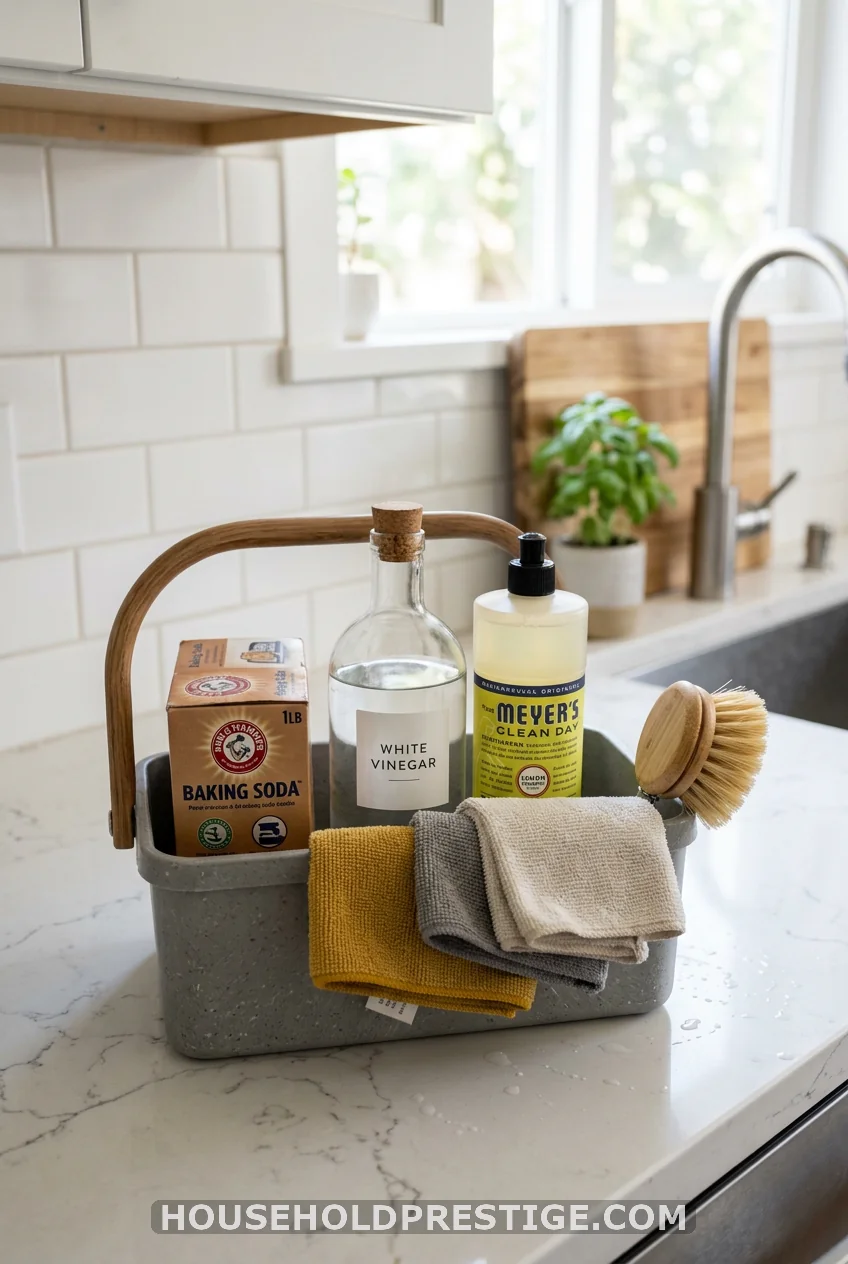
Gather these before you touch a single room, so you’re not hunting for a scrub brush mid-task:
- Baking soda (one full box)
- White vinegar (at least 32 ounces)
- Dish soap
- A handful of microfiber cloths
- An old toothbrush or two
- A vacuum with a hose and brush attachment
- Rubber gloves
That’s the whole list. Nothing here costs more than a few dollars, and most of it you probably already own.
Deep Cleaning Tips Room by Room
This is where the real work happens. Go zone by zone. You don’t have to do all of this in one day, and honestly, you shouldn’t try.
Set a rough time budget first. Try 90 minutes for the kitchen, 45 for the bathroom, 30 for each bedroom, and an hour for shared living spaces. Adjust the numbers for your home’s size. A time goal keeps you moving instead of stuck on one stubborn cabinet.
Kitchen
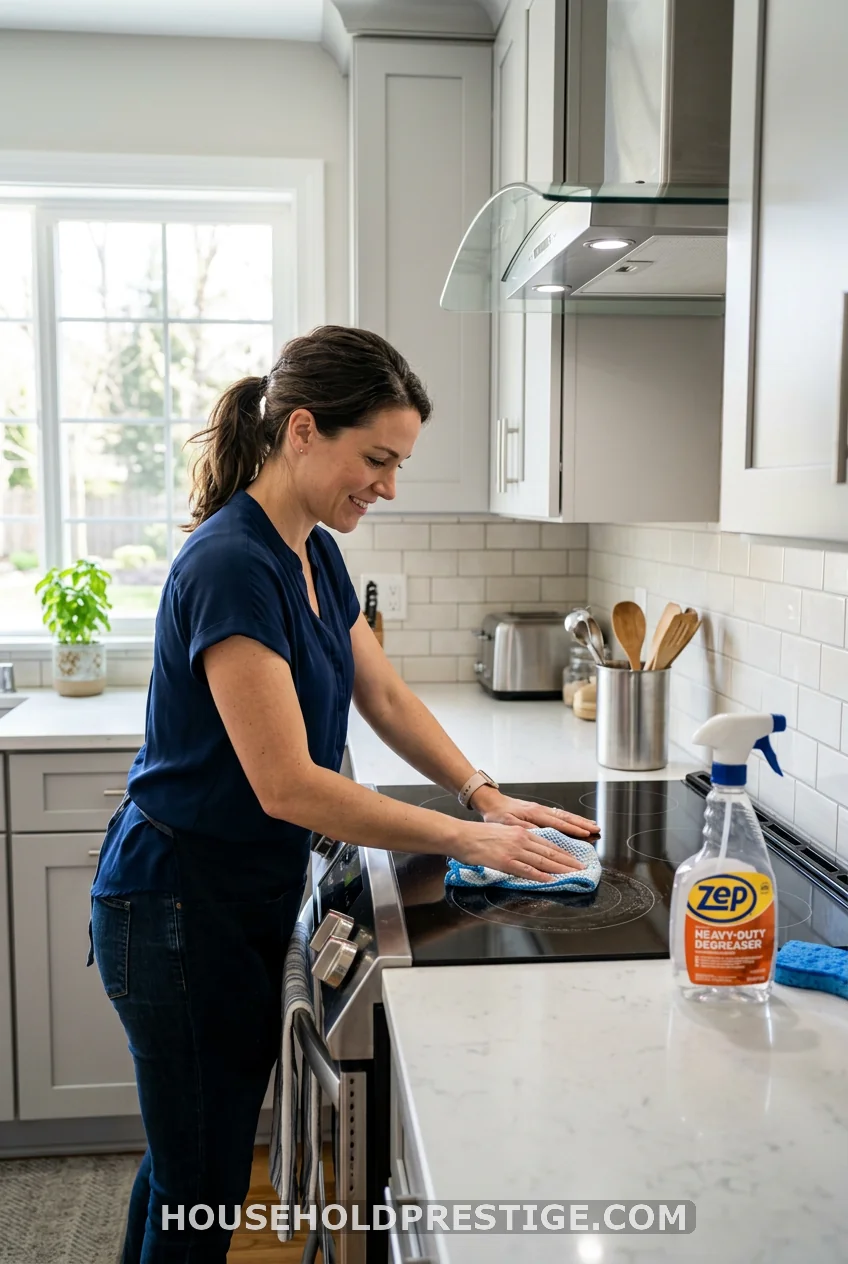
Your kitchen collects more airborne grease than any other room, and most of it lands somewhere you never wipe.
- Cabinet fronts: Mix warm water with a few drops of dish soap and a spoonful of baking soda. Wipe top to bottom with a microfiber cloth. That way, drips land on spots you haven’t cleaned yet.
- Range hood filter: Pull it out and soak it in hot water with a quarter cup of baking soda and a squirt of dish soap for 15 to 20 minutes. Grease lifts right off with a soft brush.
- Fridge coils: Unplug the fridge and pull it out. Vacuum the coils on the back or bottom. Dusty coils force your fridge to work harder, and that quietly raises your energy bill.
- Oven interior: Skip the harsh fumes. Mix baking soda with water into a paste and spread it inside. Let it sit two hours, or overnight for heavy buildup. Scrub with a nonscratch pad, then rinse with vinegar.
Pro tip: Set a timer for each task. Fifteen minutes per zone keeps you moving instead of stalling out on one stubborn cabinet.
Bathroom
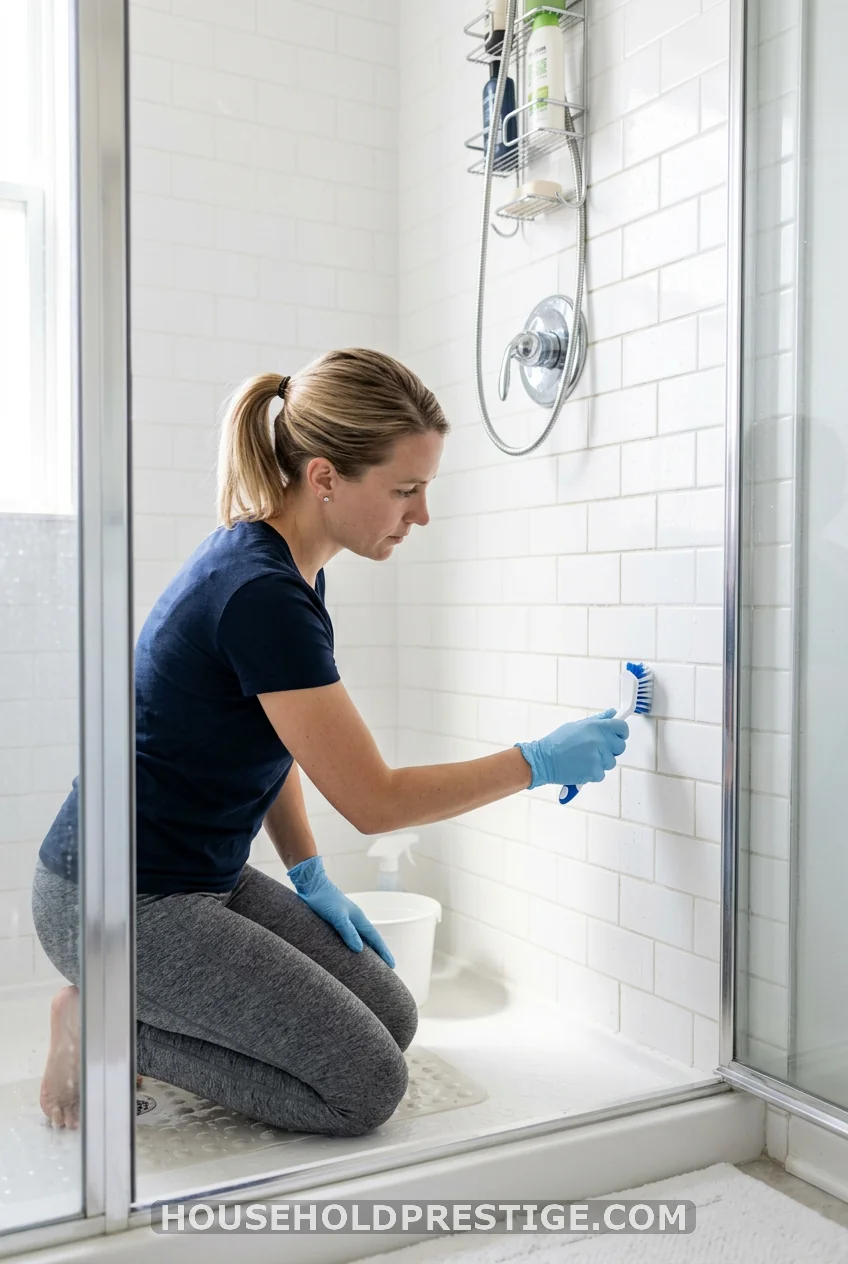
Bathrooms hide mold and mineral buildup in places your daily wipe-down never reaches.
- Grout: Mix baking soda with a little hydrogen peroxide into a paste. Spread it on the grout and let it sit 10 minutes. Scrub with an old toothbrush. Gray grout turns white again, no bleach fumes needed.
- Showerhead: Fill a sandwich bag with white vinegar. Tie it around the showerhead with a rubber band and let it soak an hour. Mineral buildup dissolves, and your water pressure comes back.
- Exhaust fan: Unscrew the cover and wash it in soapy water. Vacuum the fan blades too. A dusty bathroom fan is a hidden fire risk, so don’t skip this one.
- Toilet tank: Pour a cup of white vinegar into the tank. Let it sit 30 minutes, then scrub with a toilet brush. Almost nobody cleans the tank. That’s exactly why it needs it.
Bedrooms and Closets

- Mattress: Strip the bed, sprinkle the mattress with baking soda, and let it sit an hour before vacuuming with the upholstery attachment. It pulls out trapped moisture and dust mites you can’t see.
- Pillows: Most synthetic pillows can go straight into the washing machine. Use a gentle cycle and wash two at a time to keep the load balanced. Dry them with a couple of tennis balls so the filling doesn’t clump.
- Closet shelves: Pull everything off, wipe the shelves, and sort as you replace items. This is also your chance to bag up anything you haven’t worn in a year for donation.
- Vents and baseboards: A quick vacuum with the brush attachment, followed by a damp microfiber wipe, catches the dust these two spots quietly collect all season.
Living Room and Shared Spaces

- Ceiling fan blades: Slide an old pillowcase over each blade and pull it back toward you. Dust stays trapped inside the pillowcase instead of raining onto your couch.
- Upholstery: Vacuum cushions on both sides, then check care tags. Most fabric couches tolerate a light steam clean, which lifts oils and odors regular vacuuming leaves behind.
- Baseboards: A damp microfiber cloth, run the full length of every wall, catches months of dust in a single pass.
- Light switches and doorknobs: These get touched dozens of times a day and cleaned almost never. A quick disinfecting wipe takes seconds per spot.
The Spots Everyone Forgets
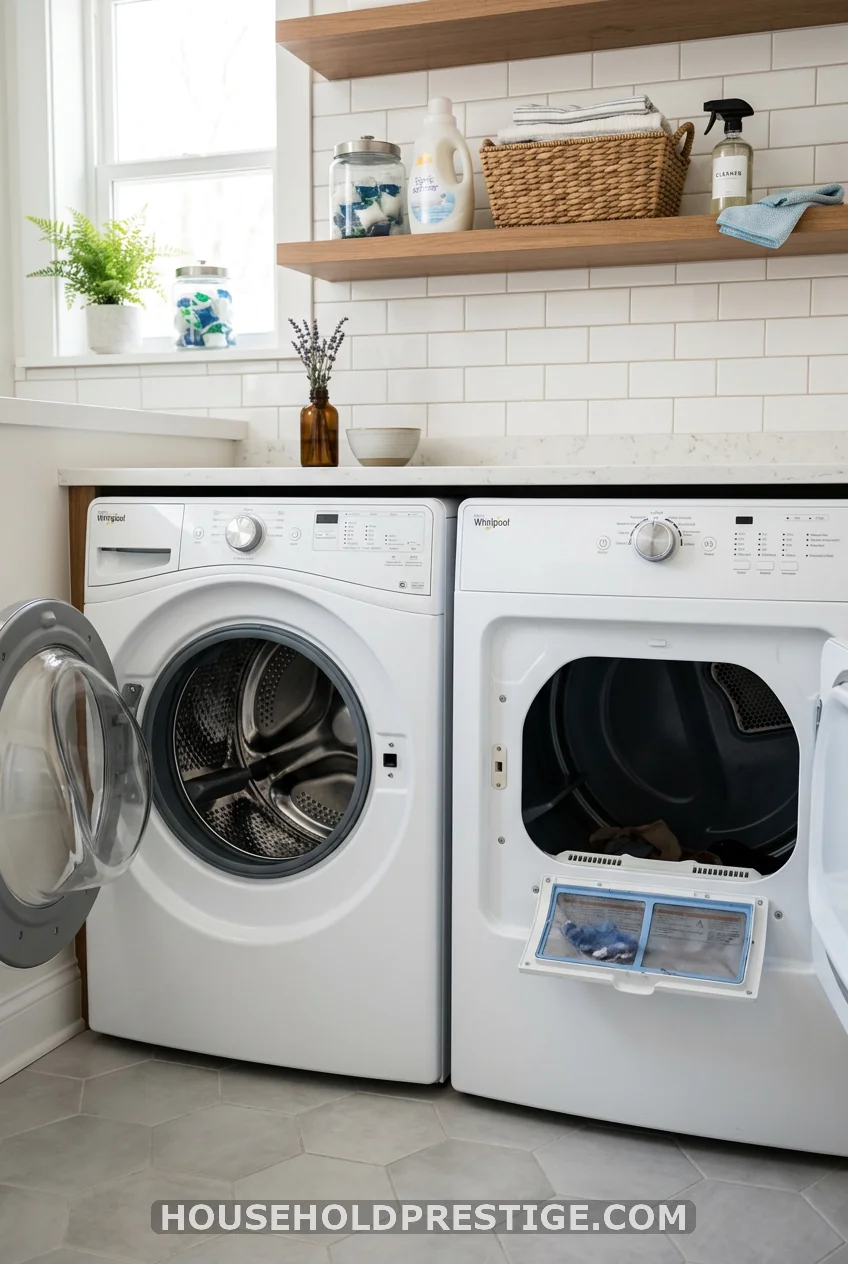
- Washing machine drum: Run an empty hot cycle with a cup of white vinegar to clear detergent buildup and musty smells.
- Dryer vent: Beyond the lint trap, disconnect the vent hose once a year. Clear out the built-up lint inside. This one task cuts fire risk more than anything else on this list.
- Dishwasher filter: Pull it out, rinse under hot water, and scrub off any food debris. A clogged filter is the top reason dishes come out cloudy.
- Blinds: Close the blinds, then wipe each slat with a microfiber duster. Flip them and repeat on the other side. Skip this step, and blinds stay grayer than everything else in the room.
How to Keep Your Deep Clean From Undoing Itself

A deep clean fades fast if nothing changes after it. You don’t need a rigid schedule, just a few habits that catch buildup before it becomes a project again.
- Fifteen-minute nightly reset: Wipe the kitchen counters, clear the sink, and do one lap for stray items. Small and boring beats big and dreaded.
- Zone rotation: Pick one deep-clean zone per month (bathroom grout in January, closets in February, and so on) instead of tackling the whole house at once.
- High-touch habit: Wipe light switches and door handles once a week. It takes under five minutes and keeps grime from building the way it did before.
- Seasonal reset: Plan one true whole-house deep clean per quarter. Any more is overkill for most homes. Any less and you’re back where you started.
Your House Doesn’t Need to Sparkle, It Just Needs to Be Clean
A real deep clean isn’t one exhausting sprint. It’s knowing where grime hides and picking it off, zone by zone, on your own time. Pick one room from this list and start today. The rest of the house will still be there tomorrow. So will you, just a little less tired.
FAQ
How often should you deep clean your house?
Most homes do well with one full deep clean per season. Add smaller zone cleans, like the fridge or oven, every month or two.
What’s the difference between deep cleaning and regular cleaning?
Regular cleaning covers what you see: counters, floors, high-traffic spots. Deep cleaning targets hidden buildup, like grout, vents, appliance coils, and baseboards.
How long does a full deep clean take?
A whole house usually takes four to eight hours, split across a weekend. Or break it into one room a day to avoid burnout.
Can you deep clean a house in one day?
Yes. Start with the kitchen and bathrooms, since they carry the most grease and germs. Move to bedrooms and shared spaces as time allows.
What supplies do you need for deep cleaning?
Baking soda, white vinegar, dish soap, microfiber cloths, an old toothbrush, and a vacuum with a brush attachment cover almost every task here. No specialty products needed.