

You step out of the shower. You look at the glass door. And there it is again: that cloudy, spotty film that makes your whole bathroom look dingy no matter how often you scrub. If you’ve been hunting for a shower cleaning hack that actually holds up between deep cleans, you’re in the right place. I used to scrub my shower every single week and still hated how it looked by Wednesday. Then I figured out what was really happening on that glass, and everything changed.
Here’s what you’ll walk away with: the real reason your shower gets grimy so fast, a two-ingredient method that breaks the buildup down instead of just wiping it around, and a five-minute habit that keeps it looking freshly cleaned for weeks.
Why Your Shower Never Looks Truly Clean

Let’s be honest with each other for a second. You clean your shower. You scrub it. And a few days later, it looks like you never touched it. That’s not a you problem. That’s a chemistry problem.
Regular soap and standard cleaners fight the surface of the grime. They don’t touch what’s underneath. And in most bathrooms, what’s underneath is a mix of mineral deposits and soap residue that bonds to glass and tile the way rust bonds to metal. Once that bond forms, wiping does nothing. You need something that breaks the bond itself.
What’s Really Causing the Buildup
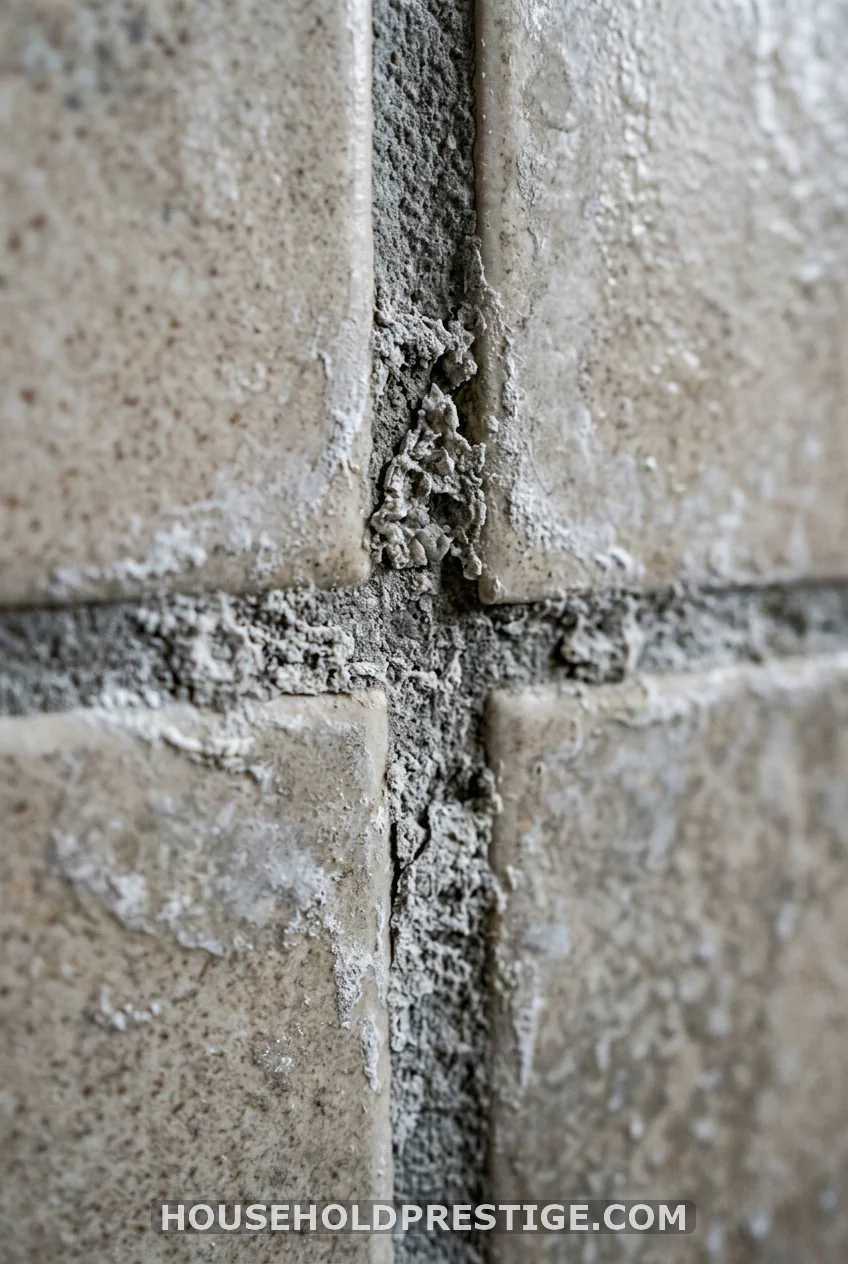
Two culprits team up against your shower every single day.
The first is hard water. If your water supply carries calcium and magnesium, those minerals ride along with every drop that hits your walls. Water evaporates. The minerals stay behind. Over weeks, they build a chalky, glassy layer that catches light and shows every streak.
The second culprit is soap scum. Bar soap and some body washes contain fatty compounds that react with minerals in your water. That reaction creates a waxy film that clings to tile, glass, and grout lines. Mix that with hard water deposits, and you get a two-layer crust that regular dish soap can’t cut through.
Here’s the part nobody tells you: humidity makes it worse. Showers rarely dry out completely between uses, so the moisture keeps feeding mildew spores in every crack the buildup creates. That’s why a shower can look clean on Monday and grimy by Thursday, even in a house that gets cleaned regularly.
The Shower Cleaning Hack That Breaks It All Down
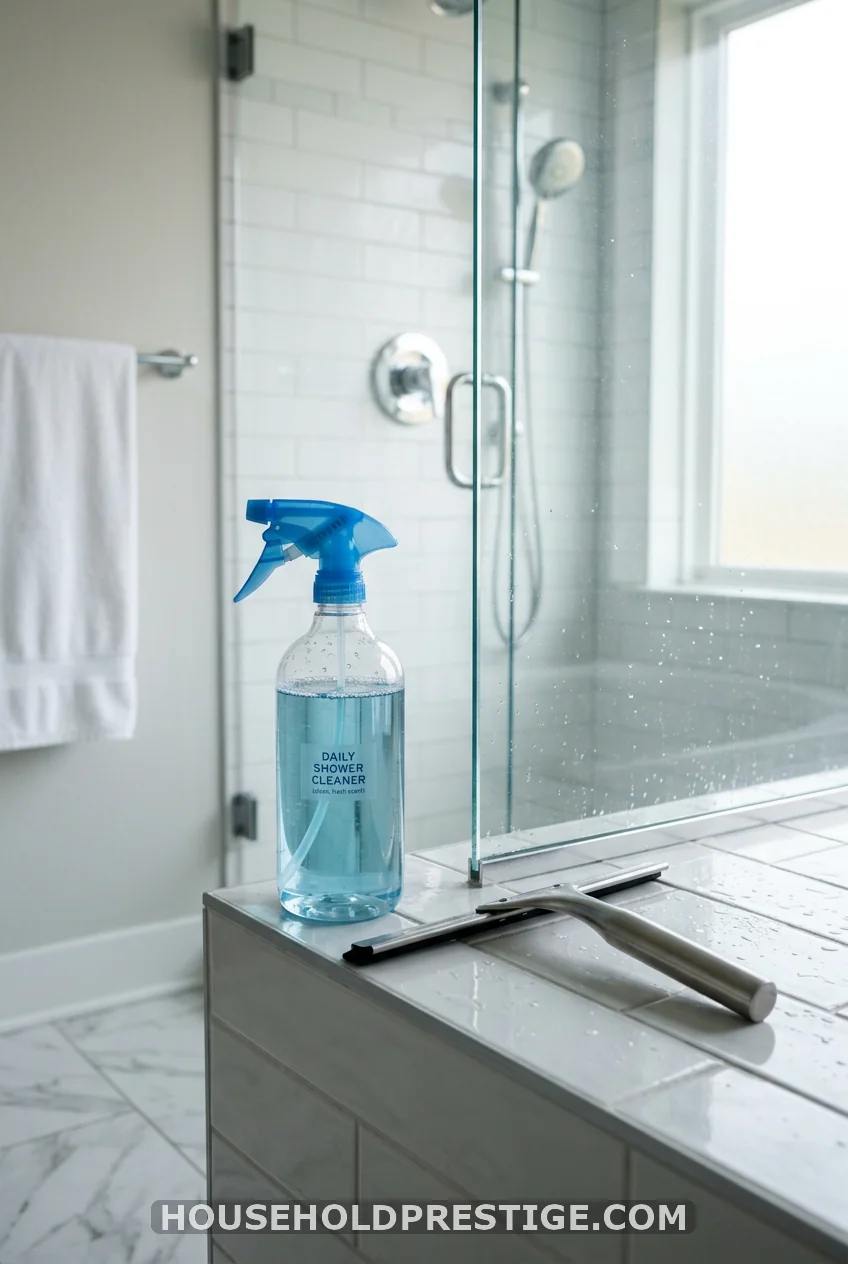
This is the method that finally cracked it for me, and it works because it attacks both problems at once instead of just one.
Why This Combination Works
Dish soap made for cutting grease, paired with plain white vinegar, does something neither ingredient can do alone. The vinegar’s acidity dissolves the mineral deposits from hard water. The dish soap breaks down the fatty soap scum layer and helps lift it off the surface instead of just smearing it around. Together, they attack the crust from two directions at the same time.
What You’ll Need
- A spray bottle, at least 16 ounces
- 1 cup white vinegar
- 1 cup dish soap made for cutting grease
- A microfiber cloth or non-scratch sponge
- A squeegee (optional, but it makes the results last longer)
Cost reality: this whole setup runs under five dollars if you’re buying both ingredients fresh, and most people already have at least one of them under the sink.
Step-by-Step
- Warm the vinegar slightly, either on the stove or in the microwave for about thirty seconds. Warm vinegar cuts through buildup faster than cold.
- Pour the warm vinegar and dish soap into your spray bottle together. Screw on the top and shake gently until the mixture looks uniform.
- Spray the solution generously over glass, tile, and fixtures. Don’t be shy. Heavier buildup needs more coverage.
- Let it sit for ten to fifteen minutes. This is the step most people skip, and it’s the one that matters most. The mixture needs time to dissolve the mineral bond, not just coat it.
- Wipe down with your microfiber cloth or sponge, using light circular motions on stubborn spots.
- Rinse thoroughly with warm water.
- Finish with a squeegee pass on glass surfaces to prevent new spots from forming while everything dries.
Common Mistakes to Avoid
Rinsing too soon cuts the dwell time short and leaves you scrubbing harder than you should need to. Skipping the squeegee step means new water spots start forming again before the day is even over. And using cold vinegar instead of warm slows the whole reaction down, so you end up spraying twice as much for the same result.
Pro Tip
If your shower has a lot of grout, dip an old toothbrush into the same solution and go over the lines separately. Grout traps more grime than flat tile does, so it benefits from a slightly longer soak, closer to twenty minutes.
Keep It That Way: Your New Shower Maintenance Routine
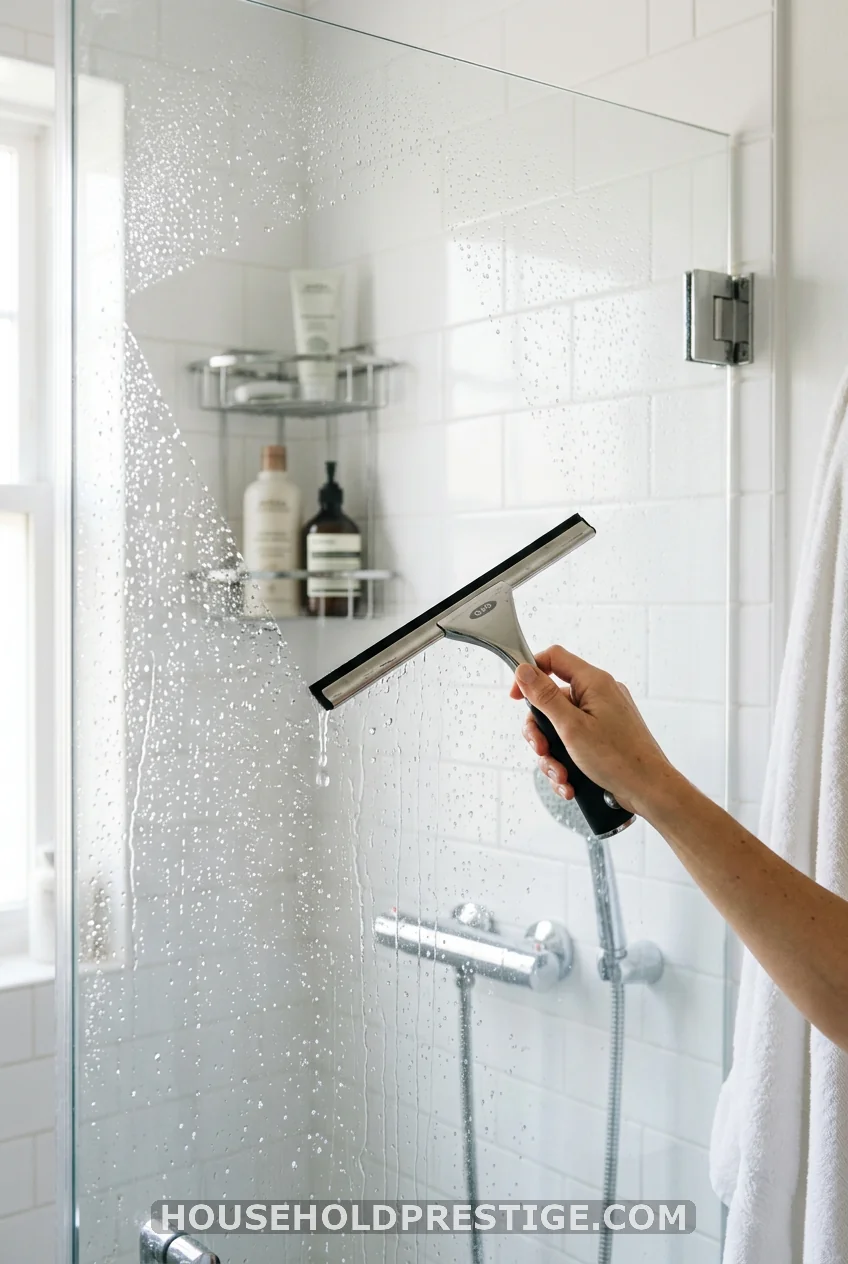
Deep cleaning solves today’s problem. Prevention solves next month’s. Once your shower is back to clean, a couple of small habits keep it that way far longer than you’d expect.
Squeegee the glass and tile after every shower. This one habit alone cuts new mineral buildup dramatically, since it removes the water before it has a chance to evaporate and leave minerals behind. It takes about thirty seconds and it’s the single biggest lever you have.
Keep a diluted version of your vinegar and dish soap mix in a smaller bottle for a quick daily mist. You don’t need the full-strength soak every day. A light spray on damp walls after showering keeps soap scum from ever getting a foothold.
Run your bathroom fan or crack a window for at least twenty minutes after every shower. Moisture is the fuel behind mildew and mineral buildup both, so cutting down how long your shower stays damp does more for prevention than any product on the shelf.
If your home has notably hard water, consider a shower head filter. It won’t eliminate mineral buildup completely, but it slows it down enough that your deep cleans stretch from weekly to monthly.
Cleaning your shower shouldn’t feel like a fight you lose every week. Once you understand what’s actually building up on those surfaces and give it a method that breaks the bond instead of just smearing it around, the whole chore gets shorter and the results actually stick. Give this shower cleaning hack a try this weekend, and pay attention to how much less effort next week’s clean takes. That difference is how you’ll know it worked.
Frequently Asked Questions
How often should I deep clean my shower with this method?
Once a week works well for most households, and you can stretch to every other week once your maintenance routine is solidly in place.
Can I use this shower cleaning hack on natural stone tile?
Vinegar’s acidity can etch natural stone like marble or travertine over time, so skip this method on those surfaces and use a stone-safe cleaner instead.
Will this hack work on really old, stubborn hard water stains?
For years of buildup, you may need two applications with a full fifteen-minute dwell time each, or a light scrub with baking soda added to the sponge for extra abrasion.
Is the smell of vinegar going to linger in my bathroom?
The scent fades within an hour or two, especially with the fan running, and it disappears completely once you rinse.
Do I need to rinse after using the daily maintenance spray?
No. The daily version is meant to air dry on damp walls, which is what keeps soap scum from forming in the first place.