

You open a closet and a shoe falls out. Then another. Then you notice the baseboards. Then the ceiling fan. Suddenly you’re standing in the hallway wondering how to deep clean your house without losing an entire Saturday to it.
I’ve been there more times than I want to admit. My house doesn’t stay show-ready on its own, and yours probably doesn’t either. But a real deep clean isn’t about scrubbing every surface until your arms give out. It’s about working through your home in the right order, room by room, so nothing gets skipped and nothing gets redone.
Stick with me through this guide, and you’ll walk away with a full room-by-room plan. Not a vague list of chores. An order of operations, the supplies to grab first, and the tricks that keep you from re-cleaning the same spot twice.
I used to bounce between rooms with no plan at all. Dust the living room. Notice the kitchen sink. Wander into the bathroom halfway through because the smell finally got to me. Three hours later, nothing was finished, and I was more tired than the house was clean. The fix wasn’t working harder. It was working in order.
What You’ll Need Before You Start
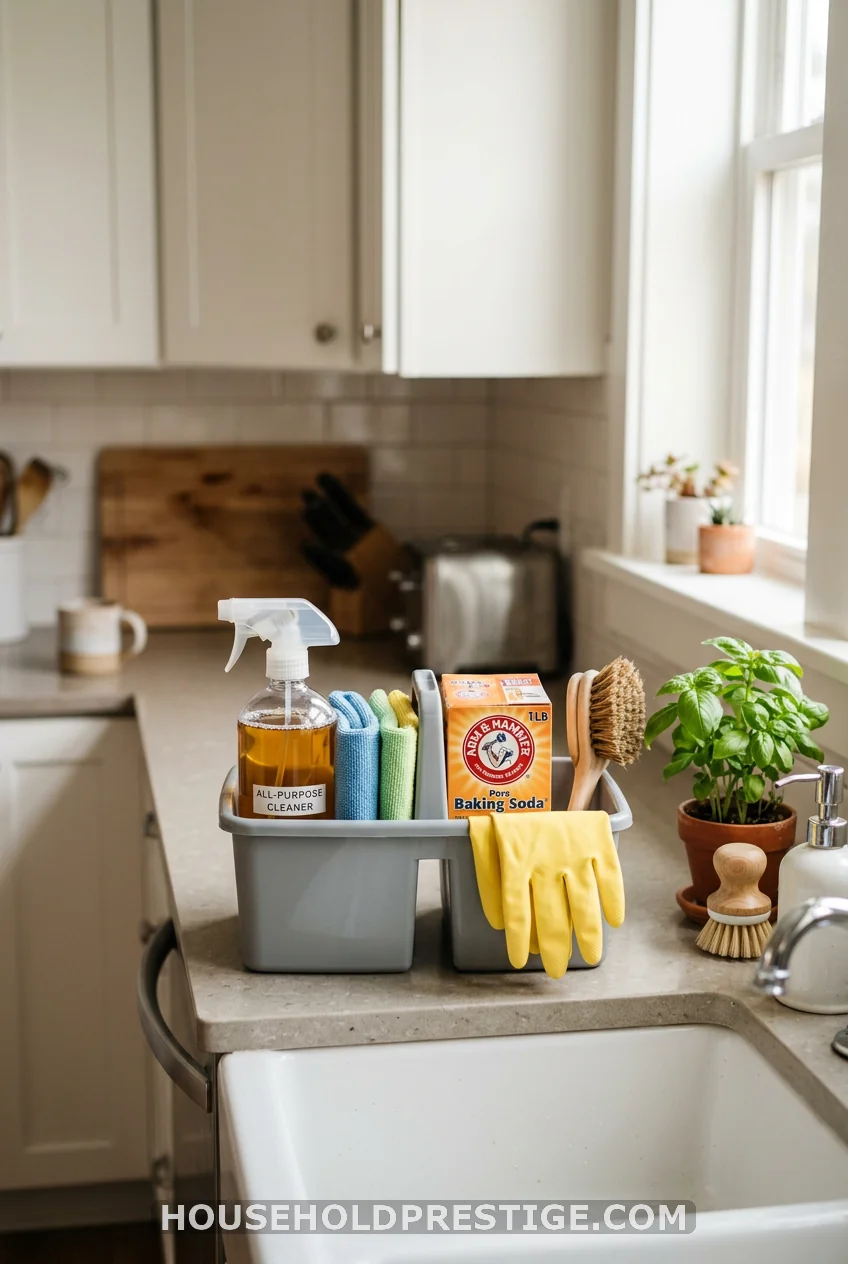
Gathering your supplies first saves you from fifteen trips back to the cabinet under the sink. Here’s your short list:
- A caddy or bucket to carry everything room to room
- Microfiber cloths (at least six, since dirty ones stop working fast)
- An all-purpose cleaner and a glass cleaner
- Baking soda and white vinegar, for stains and stubborn grime
- A vacuum with an upholstery attachment
- A mop, plus a bucket if yours isn’t a spray type
- Rubber gloves and a step stool
One quick note before you dive in. Dust and grime fall. They don’t rise. That single fact changes your whole strategy, and we’ll come back to it in a minute.
Step 1: Declutter Before You Clean Anything

Grab a laundry basket. Walk through every room, once, and toss in anything that doesn’t belong there. Don’t sort yet. Don’t decide what to donate. Just clear the surfaces.
Why bother? Because you can’t dust a shelf covered in mail, and you can’t vacuum a floor buried under toys. Decluttering first means every step after this finishes the job for good, instead of working around a mess.
Set the basket by the front door. You’ll deal with its contents later, once the actual cleaning is done.
Step 2: Work Top to Bottom, Every Single Room
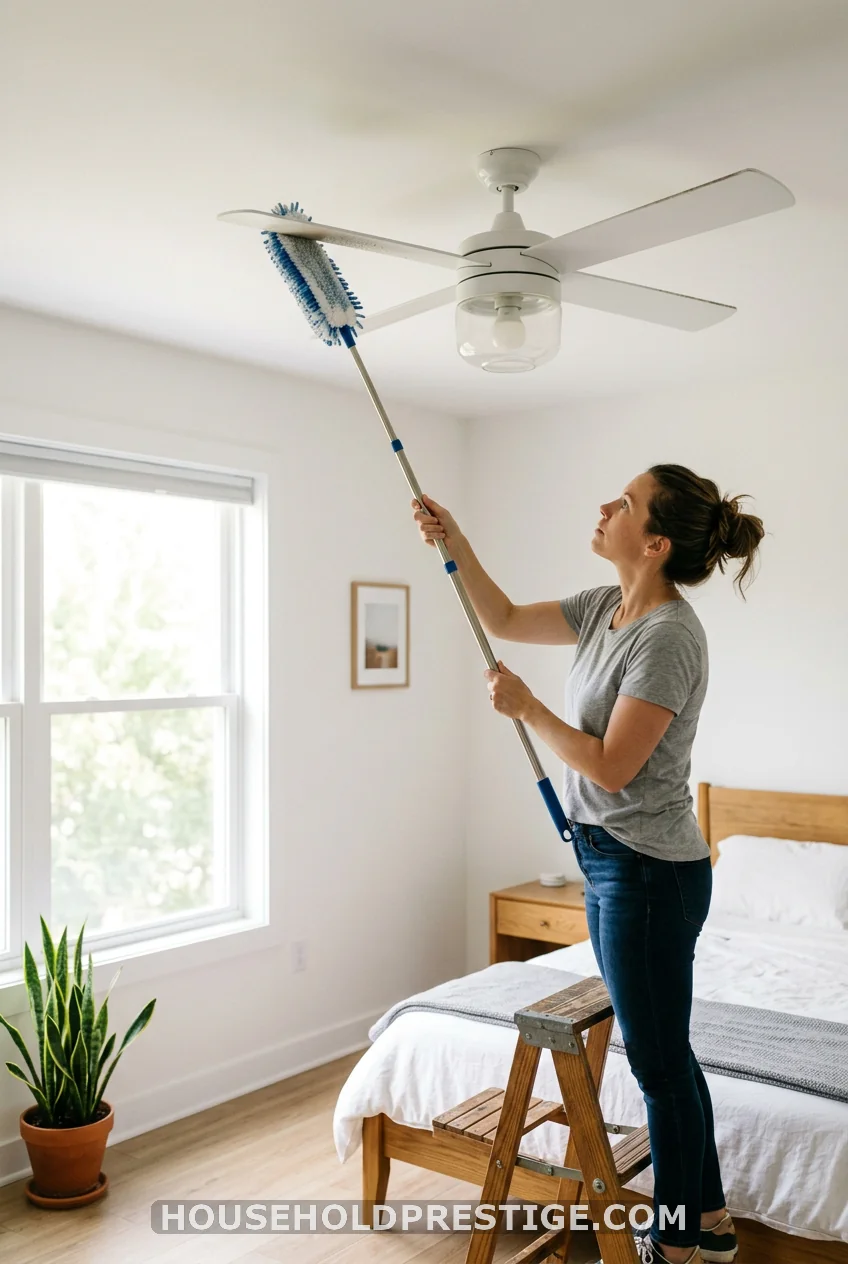
Here’s the rule that saves you the most time in this whole guide: always clean from the ceiling down to the floor.
Start with ceiling fans, vents, and light fixtures. Move to walls, picture frames, and the tops of door frames. Then tackle furniture surfaces. Finish with baseboards. Only after all of that do you touch the floor.
Skip this order, and you’ll dust a shelf, then knock crumbs onto it later while cleaning the ceiling fan above. You’ll redo work you already finished. Following this sequence just once turns deep cleaning into a smooth, one-pass job instead of a frustrating loop.
Step 3: Deep Clean the Kitchen
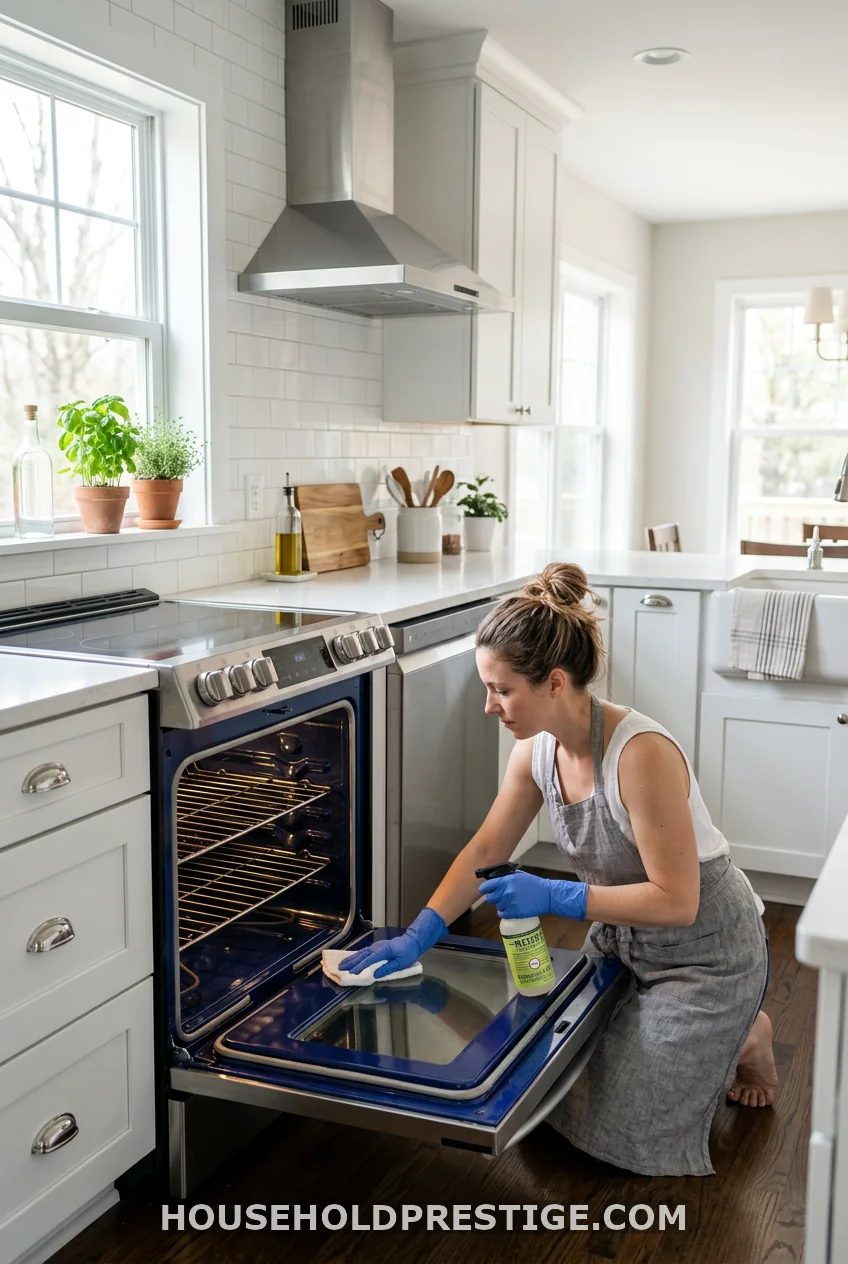
The kitchen eats the most time in any deep clean, so tackle it while your energy’s still fresh.
- Clear counters completely, then wipe them with your all-purpose spray.
- Pull out the microwave turntable and wash it in the sink. Wipe the interior with a vinegar-water mix.
- Scrub the stovetop and knobs. If grease has hardened, a paste of baking soda and water breaks it down without scratching.
- Empty and wipe the fridge, tossing anything expired. Wash the shelves separately if they’re removable.
- Wash out the trash can and recycling bin. This step gets skipped constantly, and it’s usually the source of a lingering odor no one can place.
- Scrub cabinet fronts and handles, where fingerprints and grease build up fastest.
- Finish with the sink and faucet.
Cost reality: A basic kitchen deep clean, using supplies you likely already own, costs close to nothing beyond your time. If you’re buying everything from scratch, expect to spend $25 to $40 on a starter kit of baking soda, an all-purpose cleaner, and fresh microfiber cloths.
Step 4: Deep Clean the Bathroom
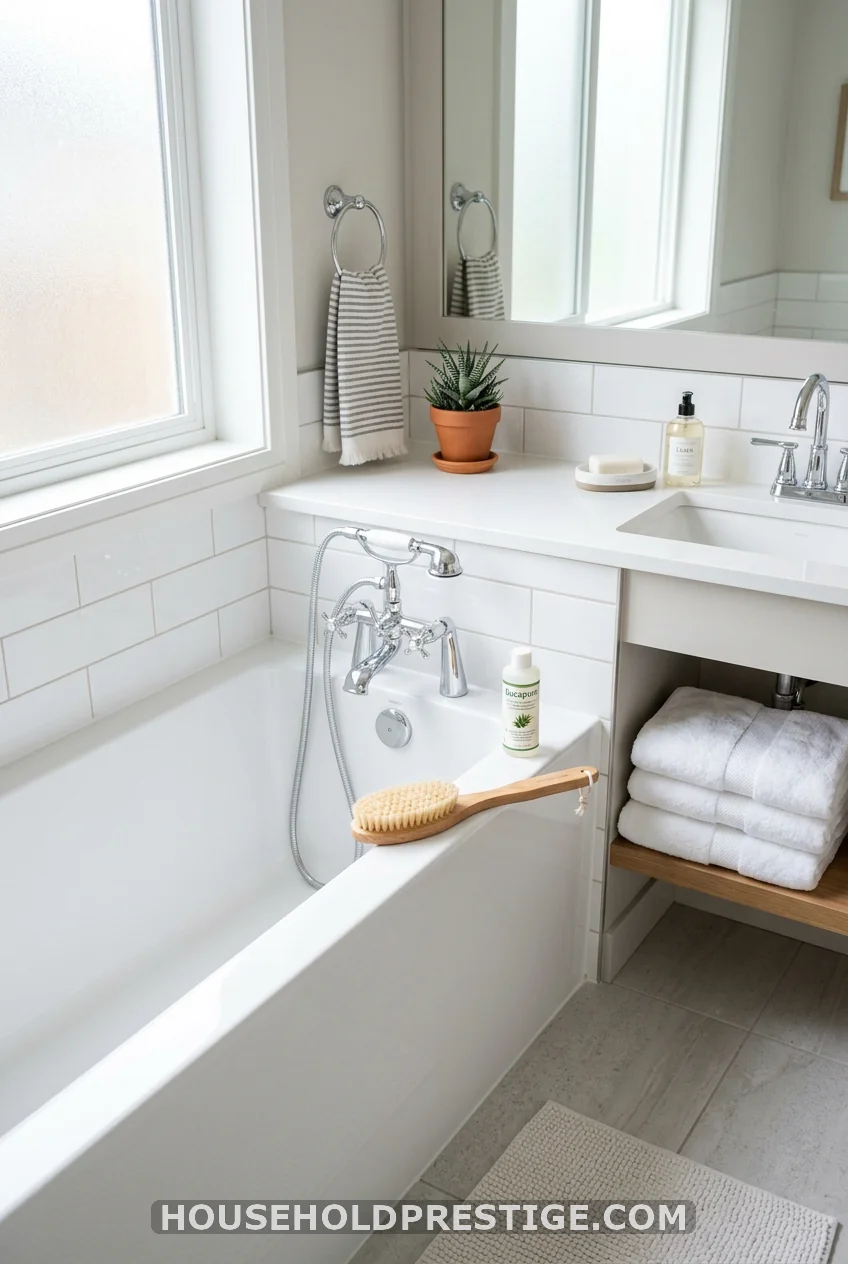
Bathrooms hide grime in places you don’t look at daily, so give this room its own careful pass.
Spray the tub, shower walls, and glass door first. Let the cleaner sit while you move to the toilet. Add cleaner to the bowl, scrub, and let it sit too. Wipe down the mirror, counter, and faucet next, since those take the least time and free you up to tackle the tub.
Scrub the shower and tub last, once the cleaner has had time to loosen soap scum. Rinse thoroughly. Finish with the floor and baseboards, and don’t forget behind the toilet, where dust collects fast and gets ignored just as fast.
Step 5: Deep Clean the Bedrooms

Strip every bed and start a load of laundry right away, so it’s running while you handle the rest of the room.
Rotate and vacuum the mattress, including the sides. Dust nightstands, dressers, and lampshades. Wipe down light switches and door handles, two spots almost nobody touches during a regular tidy-up. Clear out one drawer or shelf in the closet if you have a few extra minutes, since a deep clean is the natural moment to spot things you no longer need.
Remake the bed with fresh sheets once the laundry’s done. Few things make a room feel finished faster than that one small step.
Step 6: Deep Clean the Living Areas

Wipe down electronics and remotes first. Dust builds up here constantly, and it’s the kind of grime guests notice most.
Move furniture cushions and vacuum underneath them. Dust shelves, frames, and lamp shades. Wipe coffee tables and side tables with your all-purpose cleaner. If you’ve got upholstered furniture, run a lint roller or vacuum attachment over it to lift pet hair and crumbs from the fabric weave.
When It’s Worth It
A full upholstery steam clean makes sense once or twice a year, especially with pets or kids in the house. For a standard deep clean, though, a thorough vacuum and spot treatment cover what you need.
Step 7: Clean All Floors Last
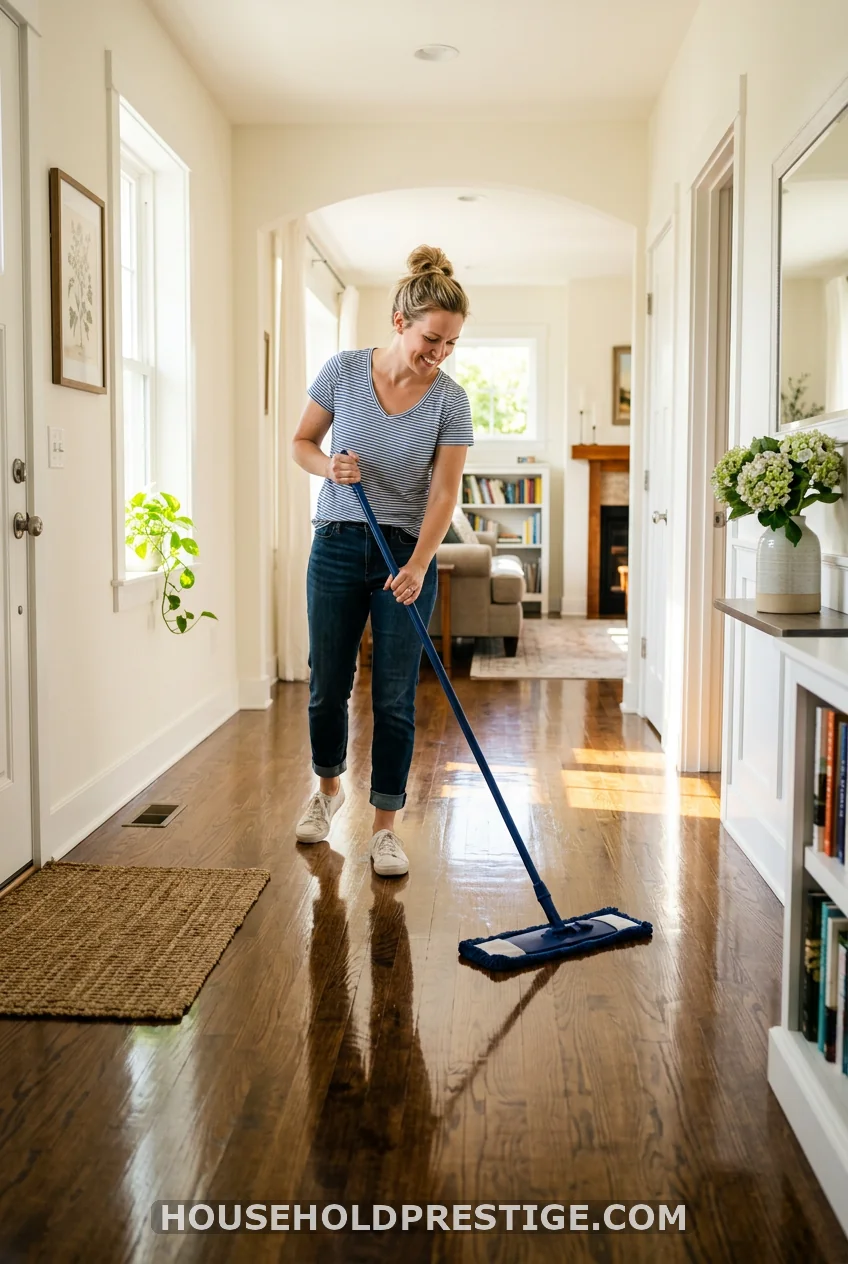
This is the one step that only works if you’ve followed the order above. Floors catch everything that falls during the rest of your clean, so they always go last.
Vacuum every carpeted room first, working from the farthest corner toward the door so you don’t walk back over what you just cleaned. Switch to hard floors next. Sweep or dry-mop to catch loose debris, then wet-mop with your regular floor cleaner.
Common Mistakes to Avoid
- Mopping before dusting: You’ll just push dust into wet streaks instead of lifting it away.
- Using the same mop water in every room: Dirty water smears grime instead of removing it. Change it once it looks cloudy.
- Skipping under furniture: Dust bunnies gather under beds and couches faster than almost anywhere else in the house.
Troubleshooting: When the House Fights Back

Some days a deep clean doesn’t go as planned. Here’s what helps most.
If you run out of time: Finish the room you’re in before stopping. A fully clean kitchen and an untouched bathroom beats three half-done rooms every time.
If a stain won’t budge: Let your cleaner sit longer before you scrub. Most stubborn grime needs time to break down, not more elbow grease.
If you feel overwhelmed halfway through: Step away for five minutes. Deep cleaning in one long stretch isn’t required. Splitting it across a weekend, one room per session, still gets you the same result.
You’ve Got a Clean House and a Plan for Next Time
Deep cleaning your house doesn’t have to swallow your whole weekend once you’ve got an order to follow. Top to bottom, room by room, floors last. That’s the whole trick, and now you’ve got it.
The next deep clean will go faster too, since a house that’s been properly cleaned once tends to stay easier to maintain between sessions. A weekly wipe-down of counters and a quick vacuum keeps most of the grime from building back up, which means your next deep clean is more touch-up than overhaul.
Keep this guide bookmarked. Grab your caddy, work top to bottom, and tackle it whenever the dust starts winning again. Your future self, walking into a house that smells like citrus cleaner instead of yesterday’s takeout, will thank you.
Frequently Asked Questions
How long does it take to deep clean an entire house?
For an average three-bedroom home, expect four to six hours if you’re working alone, or two to three hours with two people splitting rooms. Spreading it across a weekend, one or two rooms per day, works just as well if a single long session isn’t realistic.
How often should you deep clean your house?
Most cleaning professionals recommend a full deep clean every three to four months, with lighter maintenance cleaning happening weekly in between. Homes with pets or allergy concerns often benefit from deep cleaning monthly.
What’s the difference between regular cleaning and deep cleaning?
Regular cleaning covers daily upkeep like wiping counters and doing dishes. Deep cleaning goes further, targeting baseboards, behind appliances, ceiling fans, grout, and other spots that get skipped during routine tidying.
Should I deep clean before or after decluttering?
Declutter first, even if it’s just a quick basket sweep to clear surfaces. Cleaning around clutter means redoing the same spot later once the clutter’s gone.
What order should I clean rooms in?
Start with the room that costs you the most energy while you’re still fresh, usually the kitchen, then move to bathrooms, Deep Clean the Bedrooms, and living areas. Within each room, always work ceiling to floor.